Interior Design Ideas That Maximize Small Spaces
Valentina Marino September 18, 2025
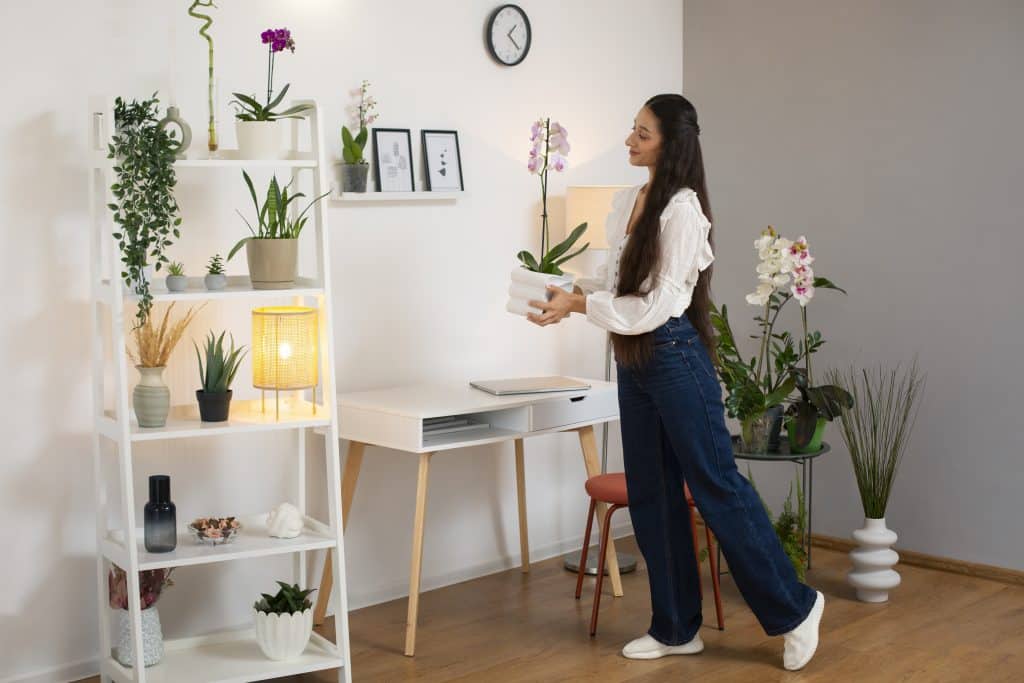
Adaptive fitted furniture has become one of the most talked-about ways to maximize small spaces in 2025. Whether you’re in a tiny apartment, micro-home, or needing more flexibility, using furniture built into the walls or layouts that adapt with tech can open up space you didn’t know you had.
Why adaptive fitted furniture is the trend to watch now
In dense cities and among those embracing minimalism, “multifunctional furniture” is no longer enough. The new standard is furniture that’s made for the structure of your home (fitted units) plus layouts that adapt through design and sometimes technology. Here’s what is fueling the trend:
- Urbanization and shrinking living units drive demand. Micro-apartments, ADUs, and tiny homes are more common, especially in Asia Pacific and major metros. Designs must do more with less (Transparency Market Research 2024).
- Consumer preference toward sustainability, durability, and long-term adaptability means people want furniture that fits well, lasts, and can change function over time. A wardrobe that doubles as a media centre or a bench that folds into a guest bed exemplify this shift (Transparency Market Research 2024).
- Technological integration, better manufacturing, and more designer options like affordable custom fittings and modular units are making adaptive fitted furniture more feasible and popular.
Given this, adaptive fitted furniture is more than just a design trend—it’s becoming a necessity for urban living.
Key Features of Adaptive Fitted Furniture & Tech Layouts
What defines adaptive fitted furniture and tech-informed layouts? These are the emerging must-haves:
- Built-in cabinetry and bespoke wall units
- Wall-to-wall wardrobes, recessed shelving, and cabinets built around architectural features eliminate wasted space and clutter.
- Convertible or multi-use fitted units
- Murphy beds, pull-out desks inside shelving, and sliding panels let a single room serve multiple functions.
- Vertical storage and ceiling usage
- Floor-to-ceiling cabinetry, overhead storage above doors, and lofted beds capitalize on vertical real estate.
- Light-reflective materials and integrated lighting
- Light tones, glass, mirrors, and subtle metals enhance the sense of openness, while layered lighting adds functionality.
- Smart adaptive layouts
- Sliding partitions, retractable furniture, and motion-controlled lighting or blinds bring flexibility and automation to small spaces.
- Precision fit for awkward dimensions
- Custom-fitted furniture makes full use of corners, alcoves, and underused walls—critical for small or irregularly shaped homes.
How to Apply This Trend: A Step-by-Step Guide
| Step | What to do | Why it matters | Tips to remember |
|---|---|---|---|
| 1. Measure accurately | Log precise room dimensions including ceiling height, outlet locations, and window placements. | Ensures fitted furniture works and doesn’t block airflow, light, or access. | Don’t round measurements. Account for every inch. |
| 2. Map function by time-of-day | Identify how each area is used from morning to night. | Helps prioritize what convertible pieces you need. | Don’t try to fit too many uses into one room. |
| 3. Choose fitted vs modular options | Custom-built suits irregular layouts; modular is faster and cheaper. | Blending both allows flexibility and cost-efficiency. | Avoid forcing modular pieces into tight or odd corners. |
| 4. Stick to light finishes and seamless looks | Neutral colors and concealed hardware reduce visual clutter. | Makes the room appear larger and calmer. | Avoid overly ornate fixtures that shrink the space visually. |
| 5. Add flexible partitions | Use sliding panels, folding dividers, or even bookshelves as space-breakers. | Lets one room switch roles instantly. | Ensure mechanisms are smooth and durable. |
| 6. Embrace smart enhancements | Use motion sensors, remote blinds, or lighting apps. | Enhances functionality and mood without bulk. | Avoid overcomplicating basic tasks with too much tech. |
Real-World Examples
- ADUs and Tiny Homes: Many ADUs now come pre-fitted with convertible furniture like beds hidden in cabinetry or fold-out kitchen counters. These are especially popular in places like California and New York.
- Urban Apartments: Designers are increasingly recommending full-height built-ins over freestanding wardrobes and using mirrors and sliding glass doors to visually expand narrow living rooms (Studionine Interiors 2025).
- Fitted Kitchens: Homeowners are opting for seamless kitchens with appliances hidden behind cabinetry, pantry walls with pull-out trays, and extendable dining tables that retract into the wall.
Common Challenges (and How to Solve Them)
| Issue | Why it Happens | How to Fix It |
|---|---|---|
| High initial cost | Custom furniture and tech integration can be pricey upfront. | Mix fitted and modular options. Focus custom efforts on key areas like the kitchen or bedroom. |
| Reduced flexibility | Fitted units are permanent. Changes in lifestyle or tenants may render them obsolete. | Choose elements that can be reconfigured or removed. Plan around resale potential. |
| Design overload | Too many materials or bulky units overwhelm small rooms. | Stick to 2-3 neutral finishes. Use clean lines and integrated lighting. |
| Wear and tear | Sliding mechanisms, built-in lighting, and hinges get frequent use. | Opt for high-quality fittings and consider service warranties. |
Why This Matters in 2025
- Sustainability: Fitted units made from long-lasting materials reduce waste and lower consumption.
- Work-from-Home Lifestyle: With hybrid work here to stay, a single space needs to serve multiple purposes, often within the same day.
- Space-Smart Living: Whether due to cost, lifestyle, or urban density, many people are choosing smaller spaces—and those need smart solutions.
- Resale Value: Well-designed fitted furniture can increase property value, particularly in competitive real estate markets (Homes & Gardens 2025).
Final Thoughts
Adaptive fitted furniture is the future of small space living. It offers not just aesthetics but real, functional upgrades that let homeowners live comfortably in limited square footage. With thoughtful design and strategic integration of technology, every inch can be optimized to serve more than one purpose—and look great doing it.
This isn’t just about maximizing space; it’s about transforming how we live. Adaptive solutions allow us to stay organized, reduce clutter, and create homes that work harder for us—without the need to upsize. As housing costs rise and lifestyles evolve, investing in smart, fitted designs could be the most practical upgrade of the decade.
References
- Transparency Market Research (2024) Multifunctional Furniture Market Report. Available at: https://www.transparencymarketresearch.com (Accessed: 18 September 2025).
- Studionine Interiors (2025) Small Living Room Interior Design Trends in 2025. Available at: https://www.studionineinteriors.com (Accessed: 18 September 2025).
- Homes and Gardens (2025) Small Room Décor Trends Designers Say Will Be Huge. Available at: https://www.homesandgardens.com (Accessed: 18 September 2025).

 Fitness Routines That Fit Into Busy Schedules