Small Space Garden Ideas You Will Want to Try
Valentina Marino November 24, 2025
Curious about turning tight corners into lush getaways? Discover how small space gardens unlock creative design, smart planting tricks, and natural beauty right outside your window. Bring more color and calm into every square foot with these practical, inspiring solutions for any home and garden lover.
Creative Ways to Maximize Small Garden Spaces
Innovative gardening doesn’t require a sprawling backyard. Modern small space garden ideas help homeowners and renters alike create green oases even with limited square footage. Clever use of vertical gardening, such as trellises and wall planters, can transform plain fences or balconies into vibrant displays of herbs, vegetables, or flowers. Integrating multi-tiered planters allows you to produce layers of greenery and make the most out of every inch. Carefully choosing plant varieties, like compact tomatoes or dwarf shrubs, also helps your garden thrive without overcrowding. These approaches invite nature into apartment patios, stoops, or even window sills in ways that feel both personal and refreshing.
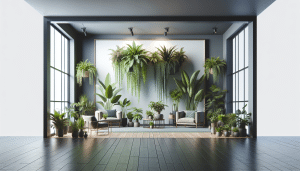
Floating shelves and hanging pots add new dimensions. These arrangements give flexibility for seasonal changes and support a rotating cast of plants throughout the year. Gardeners often add visual interest with varying pot sizes, shapes, and colors, creating dynamic layers that please the eye and encourage healthy plant growth. Small gardens can appear much larger when vertical lines and repetition are strategically used. The effect is a living tapestry that changes with the seasons while remaining contained in a manageable footprint.
Water features aren’t just for mansions. Compact fountains or even simple birdbaths introduce movement and soothing sounds to small gardens, making the space feel lively and inviting. These features double as habitats for local wildlife, bringing beneficial pollinators and birds closer to home. With thoughtful placement and selection, anyone can elevate tiny outdoor spaces into tranquil retreats, no matter how modest the area may be.
Choosing Plants That Thrive in Compact Areas
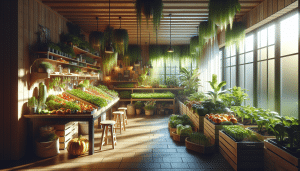
Successful small gardens begin with plant selection tailored to their environment. Many low-maintenance options have emerged in response to urban living, including container vegetables, succulents, and ornamental grasses. For edible gardens, bush-type cucumbers, compact lettuces, and patio peppers deliver harvests without overtaking their containers. Mixing these with quick-growing herbs like basil, cilantro, or mint ensures a steady stream of fresh flavor straight from your own micro-garden.
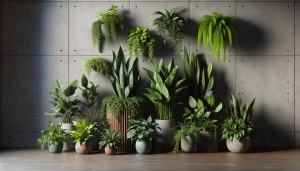
Ornamental choices shouldn’t be overlooked. Dwarf varieties of hydrangea, azalea, and juniper offer full-sized flowers and structure in manageable shapes. Trailing plants such as sweet potato vine or creeping jenny elegantly cascade from baskets, maximizing vertical growing space. Within indoor-outdoor thresholds, shade-loving options like ferns and hostas add lushness to low-light corners, broadening the possibilities for unique arrangements. Seasonal bulbs, too, offer splashes of color that lift spirits and signal the changing times of year.
Soil health is just as important as picking the right varieties. Many small gardens succeed when they incorporate lightweight, nutrient-rich soil blends that allow for strong root growth. Including organic compost and mulching on the surface helps retain moisture and regulate temperature, which is especially beneficial for containers and raised beds. Over time, consistent care reveals the best combinations for each location, making small gardens a truly custom, ever-evolving project.
Optimizing Light and Water in Small Spaces
Light and water are the fundamental resources every plant needs, but small space gardens often face unique microclimates. Balconies and patios can have fluctuating light levels and exposure to wind or heat. To adapt, gardeners should observe their space during different parts of the day to understand sun patterns. Using reflective surfaces or movable containers allows flexibility to shift plants into the most favorable locations. Many find that combining sun-loving and shade-tolerant plants broadens their design options while meeting each plant’s unique needs.
Water management also plays a crucial role in plant health. Small garden spaces are especially prone to fluctuations in soil moisture because containers dry out faster than larger garden beds. Installing drip irrigation or self-watering planters can simplify the care routine while ensuring consistent hydration. Checking soil regularly and grouping plants with similar water requirements helps avoid both under- and over-watering. Efficient watering techniques not only improve plant growth but also save time and conserve resources, aligning with eco-friendly practices that suit compact living.
Capturing rainwater in small rain barrels or even reusing kitchen rinse water for non-edible plants makes every drop count. Educational sites recommend simple water-saving devices or mulch covers as affordable upgrades. The result: lush greenery in tiny spaces with minimal environmental impact. Investing a little planning into light and water strategies pays off in healthier, more resilient gardens that reward their caretakers with beauty and bounty all year.
Smart Garden Design for Urban Dwellers
Urban gardening is an exercise in creativity and adaptation. Whether working with rooftop decks, small balconies, or shared courtyards, space must be optimized for both function and style. Multi-purpose furniture, like benches with built-in planters, maximize every surface. Colorful cushions or outdoor rugs can inject personality and comfort into tiny corners, while modular planter boxes allow for easy reconfiguration as tastes or needs evolve.
Mirrors and other reflective objects help bounce light into shaded spaces and create an illusion of depth. Lightweight furniture constructed of materials like recycled plastic or metal folds away when not in use, freeing up valuable growing room. Containers on casters make it simple to follow the sun or protect delicate plants from temperature extremes. Strategic layout planning, using grid paper or garden design apps, helps urban gardeners visualize and test their schemes before committing resources.
Community is also part of many urban garden stories. Residents may share resources, seeds, or compost bins, enriching the experience and strengthening neighborhood ties. Vertical walls, railing planters, and shared herb beds become sources of pride and connection. By thoughtfully balancing practicality and aesthetics, small space gardens in cities turn ordinary walls and patios into welcoming havens, proving that thriving greenery need not be confined to the suburbs.
DIY Upcycling Projects for Budget Small Gardens
Clever gardeners turn everyday objects into unique planting solutions. Repurposed pallets, old buckets, or shoe organizers become affordable vertical garden structures. Wooden crates stacked on their sides double as shelving for potted plants, while ladders transform into tiered garden displays. Using recycled materials for planters is a sustainable and budget-friendly approach that also invites a personal touch. Imagination turns humble supplies into functional art.
Community education programs and nonprofit gardening sites highlight the benefits of upcycling in reducing landfill waste and engaging more people in home gardening. Projects like bottle herb gardens or tin can flower displays give new life to household items and reduce the need for purchasing costly containers. Paint, stencils, or mosaics made from broken pottery can add pops of color, infusing every corner with creative spirit. Children often enjoy these hands-on tasks, making small space gardening an inclusive family activity.
Planning DIY projects with sturdy, weatherproof materials ensures longevity and safety. Drainage holes, non-toxic finishes, and removable liners help maintain healthy plant conditions. Upcycling is also about flexibility: gardeners can swap out containers, rearrange plants, or expand their setups as their needs change. This adaptability makes small space gardens a long-term, rewarding hobby that can evolve along with personal tastes and available resources.
Long-Term Tips for Sustaining Healthy Small Gardens
Maintenance is key for small space gardens. Regular pruning and seasonal replanting prevent overcrowding, keeping plants vigorous and healthy. Gardeners often use compact tools and collapsible equipment to simplify upkeep. Staying consistent with feeding schedules, checking for pests, and rotating crops helps prevent problems before they arise. Documenting plant successes and setbacks in a simple garden journal enables learning and improvement year to year.
Nutrient recycling is another effective strategy. Composting kitchen scraps or using organic fertilizers keeps soil rich and productive. Many urban gardeners participate in shared composting programs, bringing together communities to support sustainable gardening. Local extension agencies and online platforms offer countless tips for troubleshooting common container gardening issues. By leveraging these resources, small garden enthusiasts can make informed choices that support healthy, resilient landscapes.
Finally, celebrating each space’s unique character is essential for motivation. Small gardens thrive when they reflect personal style and adapt to changing conditions. From the first sprout to the vibrant blooms of summer, these compact environments provide tangible rewards for care and creativity. The secrets to success are attentiveness and joy—an approach that ensures small space gardens remain inviting, flourishing, and uniquely yours, regardless of size.
References
1. University of Illinois Extension. (n.d.). Small Space Gardening. Retrieved from https://web.extension.illinois.edu/smallspaces
2. National Gardening Association. (n.d.). Gardening in Small Spaces. Retrieved from https://garden.org/learn/articles/view/3470/
3. Royal Horticultural Society. (n.d.). Small Garden Ideas. Retrieved from https://www.rhs.org.uk/gardens/learn/ideas-for-small-gardens
4. American Horticultural Society. (n.d.). Container Gardening. Retrieved from https://www.ahsgardening.org/gardening-resources/container-gardening
5. Oregon State University Extension Service. (n.d.). Vegetable Gardening in Containers. Retrieved from https://extension.oregonstate.edu/gardening/techniques/vegetable-gardening-containers
6. Penn State Extension. (n.d.). Upcycling for the Garden. Retrieved from https://extension.psu.edu/upcycling-for-the-garden

 Why Minimalist Living Might Change Everything for You