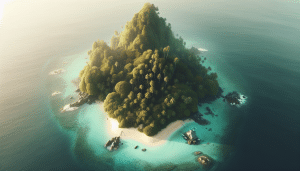
You Might Not Know These Secret Islands
Alexei Novak September 25, 2025
Dreaming of an escape that feels truly unique? Explore hidden island destinations, creative travel planning tips, and how to travel smarter—this guide explores secrets about off-the-beaten-path islands, budget-friendly adventure, and what makes these spots irresistibly special for curious explorers.
Why Secret Islands Captivate True Travelers
Secret islands remain one of travel’s purest pleasures. There’s something magnetic about stepping onto a beach where crowds are nowhere to be seen. Many people crave secluded escapes to find solitude, recharge, and witness authentic local culture. Unlike popular destinations, these secret islands encourage slow movement. The air is different—filled with possibility and the soundtrack of waves rather than city noise. For curious travelers, exploring lesser-known locations is a way to see the world as it once was, rich with untouched nature and local stories bursting to be told. The sense of exclusivity and discovery is a reward in itself, often making for memorable adventures that linger long after the journey is over.
The allure of these spots frequently lies in their differences from mainstream tourist hubs. Travelers invest effort in researching routes, examining local maps, or even relying on word-of-mouth to find islands that have not been transformed by global tourism. It’s not about amenities or luxury; it’s about tranquility and the idea that adventure might happen around every corner. For those keen on environmental stewardship, many of these secret islands are protected habitats, letting you combine meaningful eco-conscious travel with genuine exploration. They exemplify travel with purpose and intention, enabling connections with nature and communities.
Researching a secret island is half the fun. The process involves using online forums, consulting sustainable tourism directories, or reading curated travel blogs that specialize in rare destinations. The mystery is part of the magic. Each location has a specific personality, shaped by local customs, food, geography, and climate. Born from curiosity, this approach to travel sharpens your decision-making skills and introduces you to fascinating cultural stories that can’t be found elsewhere. It truly sets explorers apart, creating stories worth sharing for a lifetime.
Planning Your Own Adventure: How to Find Hidden Gems
Travel planning for secret islands is a creative process—one that rewards those willing to go beyond typical search results. Start by exploring satellite imagery and journey logs on public platforms, which can reveal small archipelagos not listed on commercial booking sites. Some islands are governed by unique local customs, entry rules, or environmental protections. It’s key to check official tourism websites and government advisories for up-to-date information. These resources share valuable insight into transit methods, local languages, and seasonal weather, building confidence before the journey begins (https://travel.state.gov/content/travel/en/international-travel.html).
Collaboration is often the secret ingredient. Engage with seasoned travelers on community forums or groups dedicated to adventure travel, sustainable tourism, or off-the-grid exploration. Recommendations from these communities are often grounded in personal experience, highlighting transportation hacks, affordable guesthouses, and ways to avoid common pitfalls. Some even share contacts for reliable guides, boat operators, or deals that may not appear elsewhere online. There’s real value in taking the planning stage as seriously as the trip itself, allowing for flexibility while still being prepared for the unexpected.
Consider integrating flexible scheduling or open-ended tickets into your itinerary. This allows for discovery along the way, maybe finding a neighboring island with even fewer visitors. Learning a few key phrases in the local language or reading about local customs will help forge bonds with island communities, often leading to unique invitations and memories. It’s not always about the most remote location—sometimes, hidden islands exist just beyond the main ferry line or a short kayak paddle away from busy hubs. Being observant, asking questions, and embracing serendipity are the hallmarks of the true secret island traveler.
Budget-Friendly Tips for Secluded Destinations
Exploring hidden islands does not always require a big budget. In fact, many destinations remain affordable precisely because they’re under the tourism radar. One cost-saving approach involves traveling during shoulder or off-peak seasons, when transport and accommodation rates drop. Exploring direct ferry routes, alternative airports, or even local rideshares can minimize costs compared to well-known access points. Book guesthouses or eco-lodges owned by residents—often these provide meals, guides, and authentic hospitality at a fraction of resort pricing. Seeking out affordable options enables a longer stay and genuine immersion (https://www.budgettravel.com).
Many travelers save money by packing light and purchasing supplies locally. Not only does this support the island economy, but it also means you can adapt to local eating habits and discover new flavors. For those interested in adventure, group activities like snorkeling tours or guided hikes are often less expensive when arranged locally or in small groups. Sharing expenses with travel companions—or with fellow solo explorers you meet en route—reduces costs and creates instant camaraderie. Free activities abound, such as sunrise walks, market exploration, or learning traditional skills from residents. This makes the honest charm of secret islands accessible to many, regardless of travel budget.
Responsible financial planning also enhances your overall safety. Setting aside a “contingency fund” prepares you for transport delays or unexpected weather. Using mobile banking apps with global reach or researching the availability of ATMs helps avoid last-minute surprises. Being aware of typical costs, such as ferry tickets or entrance fees to nature reserves, ensures transparency and room for spontaneous choices. Affordable travel is possible for those ready to be flexible and to prioritize meaningful experiences over extravagance.
Eco-Friendly and Sustainable Travel Considerations
Respect for local environments is essential on secret islands. Because many are home to sensitive ecosystems, travelers must minimize their footprint. Choose eco-accommodation certified by environmental organizations and avoid single-use plastics, which can quickly impact island waste systems. Participation in beach cleanups, wildlife monitoring, or other local projects adds personal value to your visit and helps protect these unique places for future generations (https://news.mongabay.com/2023/05/eco-friendly-travel-advice-for-island-destinations/).
Adopt “leave no trace” principles wherever you explore, from hiking trails to coral reefs. This means packing out all waste, being cautious with solar-powered devices, and sticking to marked paths. Some islands operate strict visitor limits to prevent overuse—research these ahead of time and be respectful if a location is temporarily closed or access is controlled. Eco-friendly travel is not just about following rules, but engaging thoughtfully with the rhythm of island life. Eating locally, shopping at community markets, and supporting cultural heritage projects keep your money circulating within the community and foster cross-cultural understanding.
Wildlife watching is a highlight of many hidden islands, but it must be done responsibly. Keep safe distances from nesting birds, sea turtles, and other creatures. Limit your use of motorized boats in sensitive areas, as excessive traffic can disrupt marine habitats. Researching local conservation rules—often available through park services or nonprofit organizations—ensures that your impact supports, rather than harms, the environments you’ve come so far to enjoy. Sustainable behavior enriches your trip by deepening your relationship with the place and people you visit.
Experiencing Authentic Culture on Remote Islands
One of the greatest joys of secret island travel is the opportunity to experience authentic culture. Local festivals, artisanal markets, and family-run restaurants offer direct connections to heritage and daily life. Many islanders welcome polite visitors who take time to listen, ask questions, and show respect for traditions. Participating in workshops—whether learning to cook seafood recipes or weave local materials—creates shared memories and often forms unexpected friendships (https://www.culturalsurvival.org/news/importance-preserving-indigenous-culture-small-islands).
Culture on remote islands often blends centuries-old practices with modern innovation. Exploring these stories firsthand—whether through guided walking tours or conversations at the harbor—brings history alive in ways guidebooks seldom capture. Even the architecture reflects generations of adaptation to wind, salt, and sun. Island crafts, music, and food bear witness to resilience and resourcefulness, inspiring travelers to reflect on their own cultures as well. Seek language lessons, folklore performances, or live music events for richer insight into island identity. These moments are what set island hopping apart from typical beach vacations.
Open curiosity and a willingness to participate go a long way. Spending time with local families—sometimes arranged through homestays or community guesthouses—offers a front-row seat to daily rituals, from fishing and farming to religious celebrations. These interactions foster mutual respect, allowing you to see past stereotypes and develop deeper empathy for those who call these islands home. Stories, laughter, and a shared meal are perhaps the most lasting souvenirs of any adventure.
Unforgettable Activities Await Off the Tourist Trail
No two secret islands are the same, meaning every visit can be packed with unexpected adventure. Activities range from sea kayaking through limestone caves to hiking summit trails for panoramic views. Snorkeling in vibrant coral gardens or whale-watching from a quiet cove are common delights. With fewer crowds, many activities can be savored slowly or shared with locals rather than groups of tourists. These experiences foster connection—both with nature and fellow adventurers. Have an open mind; sometimes the best moments occur unplanned, such as finding deserted bays or sailing with local fishers (https://www.nationalgeographic.com/travel/article/island-adventures-off-tourist-trail).
Remote destinations frequently offer soul-stirring discoveries for history lovers, too. Many islands have ancient ruins, rock art, or living traditions linked to migration and seafaring. Museums, lighthouse climbs, or local storytelling walks unlock a deeper appreciation for the land’s history. And don’t forget about wellness travel: yoga retreats and herbal medicine workshops are increasingly popular in off-grid settings, providing holistic refreshment alongside natural beauty. These activities let you return home renewed, having pushed your limits and immersed yourself fully in a new world.
Safety and awareness are always crucial when exploring remote islands. Always communicate your travel plans to someone trusted, keep emergency contacts at hand, and be prepared for shifting weather or limited internet access. Bring essentials, but also maintain flexibility—after all, part of the magic is in adapting to whatever comes your way. Each island adventure becomes a storybook of lessons, joys, and memories you’ll share for years to come.
References
1. U.S. Department of State. (n.d.). International Travel. Retrieved from https://travel.state.gov/content/travel/en/international-travel.html
2. Budget Travel. (n.d.). How to Travel on a Budget. Retrieved from https://www.budgettravel.com
3. Mongabay. (2023). Eco-Friendly Travel Advice for Island Destinations. Retrieved from https://news.mongabay.com/2023/05/eco-friendly-travel-advice-for-island-destinations/
4. Cultural Survival. (n.d.). Importance of Preserving Indigenous Culture on Small Islands. Retrieved from https://www.culturalsurvival.org/news/importance-preserving-indigenous-culture-small-islands
5. National Geographic. (n.d.). Island Adventures Off the Tourist Trail. Retrieved from https://www.nationalgeographic.com/travel/article/island-adventures-off-tourist-trail
6. United Nations Environment Programme. (2022). Responsible Travel to Small Islands. Retrieved from https://www.unep.org/news-and-stories/story/islands-and-responsible-tourism

 Why Online Learning Might Surprise You