You Can Transform Outdoor Spaces with Low Water Gardens
Valentina Marino September 25, 2025
Discover how low water gardens inspire fresh possibilities for home landscapes. This guide explores drought-tolerant plants, creative layouts, and practical advice, helping you design a sustainable outdoor sanctuary that conserves water and remains visually stunning throughout the seasons.
Embracing the Low Water Landscape
Low water gardens are reshaping how people approach landscape design. When water becomes a precious resource, many seek drought-tolerant options that combine practicality with beauty for their home and garden spaces. Instead of traditional lawns and thirsty flowers, this approach emphasizes resilient plant selections and smart planning. You can create vibrant, inviting outdoor areas while minimizing maintenance and supporting local ecosystems just by adopting these water-wise principles. As more individuals notice the impact of climate variability, the appeal of environmentally mindful garden choices increases. This shift encourages a thoughtful approach to both aesthetics and resource management—aligning visual harmony with sustainability.
The core concepts behind low water gardens focus on choosing the right plants, optimizing soil, and capturing rainwater whenever possible. By shifting away from heavily irrigated green lawns and exploring alternatives like native grasses, succulents, and flowering perennials that thrive with less water, you open up creative design possibilities. People find that outdoor spaces become not only more resilient during dry periods but also attract helpful pollinators such as butterflies and bees. Even small changes such as mulch layers, efficient drip irrigation, and strategic shade can make a meaningful difference in both plant health and water consumption. These intentional choices also reduce routine chores, saving both time and energy.
Awareness of local climate patterns is essential when establishing a low water garden. Each region has its own unique rainfall, sunlight, and soil characteristics, making plant selection a critical part of long-term success. For instance, Mediterranean and desert climates support succulents and ornamental grasses that thrive on minimal irrigation. Meanwhile, those in temperate regions can incorporate drought-hardy native shrubs or ground covers. Gardeners increasingly seek advice from horticultural extension services and reliable online resources to tailor their plans. This personalized strategy ensures that low water gardens remain attractive and productive, regardless of location or seasonal shifts.
Top Drought-Tolerant Plants for Home Gardens
One of the first steps in building efficient low water gardens is researching drought-tolerant plants suited to local environments. Succulents like sedum, agave, and echeveria have captured attention for their sculptural leaves and vibrant blooms, making them favorites for both small beds and large landscapes. Lavender, rosemary, and Russian sage are valued for aromatic foliage and the resilience they add to garden designs. These plants require minimal irrigation once established and often flourish in poor, well-drained soils. Exploring native perennials or shrubs unique to a given region also supports biodiversity while ensuring reliable garden performance year after year.
In addition to succulents, ornamental grasses such as blue fescue and feather reed grass offer remarkable hardiness with elegant visual interest. These grasses move gracefully with the wind and transition in color through the seasons, making them a practical and aesthetic choice for modern landscapes. Some homeowners focus on cacti varieties, which naturally thrive in arid settings and require virtually no supplemental water. There is also growing interest in using groundcovers like creeping thyme or ice plant, which suppress weeds, retain soil moisture, and create a seamless green carpet effect across open ground.
Blending different plant heights, textures, and bloom times leads to year-round color and diversity in the garden. People combine spiky yuccas with trailing lantana or flowering sage for layered planting beds that fill gaps and deter pests. Native wildflowers such as blanket flower or black-eyed Susan give pollinators consistent sources of nectar while contributing vibrant splashes of color. When selecting plants, it’s helpful to consult local extension offices or reputable garden publications to make informed decisions. This extra attention at the beginning supports lush, dynamic gardens that endure varying weather conditions without excessive care.
Design Principles for Low Water Outdoor Spaces
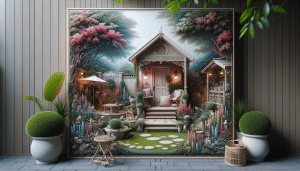
Designing a low water garden involves more than just plant selection—it’s about balancing function, beauty, and sustainability. Effective layouts begin with assessing available sunlight, existing soil type, and the natural contours of an outdoor space. Many find value in grouping plants with similar water and sunlight requirements into zones, which streamlines irrigation and keeps plants healthy. Curved borders, creative raised beds, and use of decorative rocks or gravel add structure and visual rhythm. These design choices not only reduce water needs but also allow for stylish expression suited to many tastes.
Hardscaping elements such as permeable stone pathways, seating areas, and ornamental boulders break up planting zones and provide accessible gathering spots. Gravel mulch helps reduce evaporation and curbs weed growth, further conserving moisture. These design features support accessible, low-maintenance landscapes that feel inviting throughout the year. Some choose to integrate rain gardens or bioswales—shallow depressions planted with water-loving natives—to capture stormwater runoff and filter it naturally. This dual-purpose approach elevates both aesthetic and environmental value, turning ordinary backyards into functional outdoor retreats.
Strategic placement of shade trees or privacy screens can lower outdoor temperatures, reduce evaporation, and protect delicate plants from harsh afternoon sun. Many homeowners choose multi-purpose trees such as desert willow, redbud, or palo verde, which combine beauty with resilience. Incorporating water features like birdbaths or small fountains can attract wildlife and create soothing ambiance without excessive water use. As with all stages of garden design, mindful observation and periodic adjustments ensure optimal performance—maintaining thriving, low water spaces for years to come.
Soil Preparation and Water Management Strategies
Healthy soil is the backbone of any successful low water garden. Before planting, it’s vital to assess drainage and improve soil texture as needed. Amending existing soil with organic compost increases nutrient content and water retention, especially on sandy sites. In clay-rich soils, adding gypsum or coarse sand encourages freer drainage and reduces the risk of root rot. Raised beds or berms help control water flow, directing it toward plants instead of paved areas or walkways. Testing soil pH can also reveal adjustments needed for optimal plant performance.
Efficient irrigation methods are central to maintaining vibrant landscapes while conserving resources. Drip irrigation delivers water directly to plant roots, minimizing loss from evaporation and runoff. Soaker hoses offer similar benefits for larger planting beds, ensuring even moisture throughout the growing season. Mulching uncovered soil with wood chips, straw, or crushed stone prevents surface drying, moderates soil temperature, and discourages weeds. These strategies together significantly reduce outdoor water usage, often with visible improvements in plant health and vigor over time.
Water management extends beyond installation to include routine evaluation and adaptation. Carefully monitor weather patterns, especially during extended dry spells, and adjust irrigation schedules accordingly. Harvesting rainwater in barrels or cisterns allows for supplemental watering without additional utility costs. Some gardeners choose to install smart controllers that regulate watering times based on actual soil moisture or forecasted rainfall. Through ongoing observation and maintenance, low water gardens continue to thrive, offering long-term savings and environmental benefits for homeowners.
Eco-Friendly Benefits and Community Impact
Low water gardens do more than just conserve resources—they encourage biodiversity and support healthier environments across communities. Drought-tolerant plants typically require fewer fertilizers and pesticides, reducing the amount of chemicals entering local waterways. Gardens that favor native species help restore habitat for pollinators and beneficial insects, increasing populations of butterflies, bees, and birds. Many homeowners notice a rise in wildlife visits after switching to native and drought-tolerant landscapes, boosting connection with local nature and enhancing yard enjoyment.
Community-wide adoption of water-saving landscapes can have far-reaching effects during periods of drought or water restriction. Municipalities often offer rebates or incentives for exchanging traditional lawns for water-wise designs, and educational outreach programs raise awareness about sustainable gardening practices. Homeowners sharing resources, seeds, or design ideas contribute to a culture of sustainability—where everyone benefits from collective action. In addition to water savings, these efforts decrease reliance on high-maintenance, non-native turf, freeing up time and reducing costs associated with upkeep.
Eco-friendly gardening principles bring added value to property by increasing curb appeal in a responsible way. Many people take pride in creating landscapes that don’t just look good—they also serve a broader ecological purpose. Local garden tours, workshops, and neighborhood projects focused on low water gardening provide opportunities to learn, share, and inspire others. As word spreads, more individuals consider sustainable landscaping as both a personal and communal investment, ensuring healthy environments for future generations.
Adapting Your Garden Over Time
Successful low water gardens evolve as landscapes mature and homeowner needs change. Initial plantings sometimes require adjustment after the first growing season, especially in response to unexpected weather or pest challenges. Regularly reviewing plant performance, replacing underperformers with hardier varieties, and refreshing mulch layers maintains a tidy appearance while conserving resources. As soil health improves over time, plants often develop deeper roots and increased drought tolerance, strengthening garden resilience.
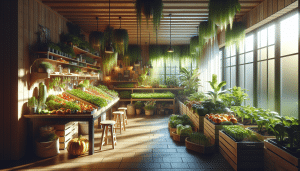
Changing interests or shifting family lifestyles might lead to the introduction of new outdoor elements, such as raised vegetable beds, children’s play areas, or reading nooks under shade trees. Exploring climbing vines along fences or incorporating a few colorful annuals keeps the landscape feeling rich and inviting. Some individuals decide to extend low water gardening efforts into front yards, side strips, or even rooftop gardens. This continuous adaptation keeps outdoor spaces both functional and inviting season after season.
Periodic check-ins with local gardening groups or extension agents provide valuable advice for troubleshooting and new inspiration. Online resources, books, and workshops support ongoing learning as both gardening techniques and regional best practices evolve. Those who commit to low water gardens often find the journey rewarding—cultivating not only a lush home landscape but also a broader connection to the community and environment. Ultimately, each update reinforces the balance between style, practicality, and resource stewardship.
References
1. United States Environmental Protection Agency. (n.d.). Water-Smart Landscaping. Retrieved from https://www.epa.gov/watersense/water-smart-landscaping
2. The National Wildlife Federation. (n.d.). Native Plant Finder. Retrieved from https://www.nwf.org/nativeplantfinder/
3. University of California Cooperative Extension. (n.d.). Drought Tolerant Landscaping. Retrieved from https://ucanr.edu/sites/scmg/Landscape_Design/Drought_Tolerant_Landscapes/
4. Colorado State University Extension. (n.d.). Xeriscaping: Creative Landscaping. Retrieved from https://cmg.extension.colostate.edu/gardening-resources/online-garden-publications/xeriscaping-creative-landscaping/
5. The Lady Bird Johnson Wildflower Center. (n.d.). Gardening with Native Plants. Retrieved from https://www.wildflower.org/learn/how-to/native-gardening
6. Water Use It Wisely. (n.d.). Low Water Use Plants. Retrieved from https://wateruseitwisely.com/100-ways-to-conserve/landscape-lists/

 Secrets Successful Founders Wish You Knew