You Can Transform a Small Yard into a Beautiful Garden
Valentina Marino September 24, 2025
Curious how to turn a compact outdoor space into a blooming retreat? Explore practical tips for small yard landscaping, discover design ideas, and learn about easy-maintenance plants to help create a garden you’ll love coming home to—all while maximizing space and minimizing effort.
Making the Most of Small Outdoor Spaces
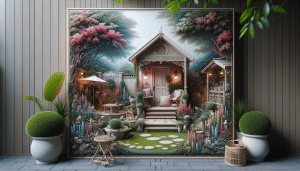
Even the tiniest yard offers possibilities. Making the most of limited space often comes down to thoughtful small yard landscaping. Clever design elements like vertical gardening, multi-functional furniture, and defined pathways can visually expand tight spaces. Embracing container gardening adds both color and flexibility. With strategic placement of raised beds and decorative pots, homeowners can introduce herbs, flowers, and even vegetables without crowding the yard. Creative use of structures such as trellises or living walls brings dimension and greenery up rather than out, providing a lush atmosphere even in a narrow strip of land (Source: https://www.bhg.com/gardening/landscaping-projects/landscape-basics/small-yard-landscaping-ideas/).
Planning is key for success. Assessing the shape and natural lighting of your outdoor area informs plant choices and seating arrangements. Many homeowners find it helpful to divide their yard into distinct zones—perhaps a dining nook, a play corner, or a flower bed—to give the area a sense of order. For small yard design, using curves and diagonals instead of straight lines can make a yard feel longer and more inviting. A unifying color palette binds various elements together, reducing clutter and creating flow throughout the garden.
Even simple improvements have impact. Adding a mirror or reflective accents along a fence or wall can enhance the sense of spaciousness. Seasonal change is easily accommodated in small spaces by using portable planters, allowing you to swap in favorites as they reach their peak. Choosing versatile items, like benches that double as storage, gives you more enjoyment from every square foot. Start small, experiment with layouts, and let your yard evolve into a sanctuary that fits your lifestyle.
Choosing the Right Low-Maintenance Plants
Not all plants are created equal—especially when space and time are limited. Low maintenance plants for small gardens, such as perennial flowers, ornamental grasses, and groundcovers, make upkeep simpler while still delivering abundant beauty. Succulents and evergreens can anchor year-round interest without constant watering or trimming. Native plants often thrive with minimal attention as they’re adapted to the local climate; this makes them a savvy pick for a flourishing, eco-friendly garden (Source: https://www.epa.gov/greenacres/why-native-plants).
Flowering annuals like marigolds, impatiens, and petunias offer bold color with little fuss. Herbs such as rosemary, thyme, and mint perform well in containers on patios or window ledges, thriving even in partial sun. For groundcover, creeping thyme and sedum help suppress weeds and require infrequent mowing. When considering shade, ferns and hostas thrive beneath tree canopies or along shaded walls, bringing lush texture without regular fertilizing.
Establish a routine for the first few weeks after planting, but soon most low-maintenance selections can largely be left alone. Mulching consistently conserves moisture, controls weeds, and helps maintain healthy plants. By focusing on easy-care species and strategically placing them for optimal sunlight, even busy homeowners can nurture a vibrant small garden that looks after itself much of the season.
Design Tricks to Visually Expand Your Garden
Design illusions can make a compact garden feel grand. One popular trick is layering plants to introduce depth; short blooms fill the front, while taller shrubs form a backdrop. Repeating plant species or materials across zones sets a visual rhythm, drawing the eye beyond physical barriers. Strategic pathway placement—especially with curves or step stones—invites movement and keeps the yard feeling open (Source: https://www.rhs.org.uk/garden-inspiration/small-gardens).
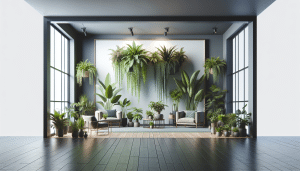
Use vertical elements to guide attention upwards. Wall planters, stacked pots, or climbing vines direct the gaze and maximize growing area. If privacy is needed, tall narrow screens made from bamboo, wood, or woven willow add division but avoid crowding. Tiny water features, like a tabletop fountain, can provide tranquility and serve as focal points, further shifting focus from the garden’s scale to its ambiance.
Incorporate light to highlight features and increase the perceived size of your yard at dusk. Solar-powered lanterns, string lights woven along a fence, or spotlights angled across a wall introduce gentle illumination. By thoughtfully balancing open lawns, cozy corners, and vertical greenery, it’s possible to create both privacy and openness, making small gardens feel anything but confined.
Smart Ways to Organize and Declutter Outdoor Areas
Keeping a small yard organized is an ongoing challenge, but a tidy, uncluttered space feels welcoming and functional. Smart storage solutions—like benches with built-in compartments or wall-mounted hooks—provide places to stow tools, cushions, or garden toys. Modular furniture pieces can adapt to gatherings or solo relaxation, making maximum use of available space. Choosing weather-resistant materials ensures outdoor essentials last longer and require less day-to-day maintenance (Source: https://edis.ifas.ufl.edu/publication/EH147).
Paving stones, gravel paths, and a well-maintained lawn can serve as the bones of a clean outdoor area. Borders created with edging, hedges, or flowerbeds help corral plants and prevent sprawling, which is helpful in smaller gardens. When organizing plants, group those with similar water and sun needs together. This not only makes garden care quicker but also reduces the risk of over- or under-watering delicate species.
Decluttering doesn’t mean going minimal; it’s about curating. Rotating seasonal decor, storing away out-of-season items, and pruning plants regularly keep the yard feeling fresh. Custom shelving or vertical racks let you house planters, lanterns, or decorative accents without consuming precious patio floor space. When tools and toys have a home, the garden remains relaxing and usable—no matter its size.
Tips for Maximizing Outdoor Living Potential
Transforming a small yard into a multi-use extension of your home can boost satisfaction and even home value. Choose flexible garden furniture—folding chairs, slimline tables, stackable stools—to accommodate various activities. Shade sails, retractable awnings, or a cluster of tall potted plants offer sun shelter and intimate seating zones for outdoor dining or quiet reading. Thoughtful lighting, whether solar spotlights or string bulbs, encourages enjoyment of the space late into the evening (Source: https://landscapeplants.oregonstate.edu/how-create-outdoor-living-room).
Consider how seasonal changes affect outdoor usage. In warm climates, cooling misters or gentle fountains can add comfort; in chillier areas, a portable fire pit or patio heater extends the season. If privacy is a concern, tall ornamental grasses, movable screens, or a cluster of leafy shrubs shield from view without closing in the space. Keeping relaxation zones close to the kitchen or primary entrance boosts convenience, encouraging outdoor living as a daily habit rather than a rare occasion.
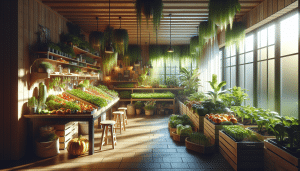
Finally, think beyond entertainment. Small gardens can support urban farming, wildlife habitats, or even meditation corners. A few edible plants or berry bushes bring fresh produce steps from your door. Including pollinator-friendly blooms or a bird bath welcomes beneficial insects and birds. With thoughtful planning and a few adaptable features, a small yard delivers joy, relaxation, and purpose all year long.
Water Conservation and Sustainable Gardening Ideas
Eco-friendly gardening is both practical and responsible, especially in small spaces where resources can be maximized. Water conservation starts with mulching beds and opting for drought-tolerant plants, minimizing the need for frequent irrigation. Using rain barrels to collect water and installing drip hoses enables efficient moisture delivery directly to roots, helping small gardens thrive on less (Source: https://www.epa.gov/watersense/water-efficient-gardening-tips).
Composting kitchen waste into homemade fertilizer supports plant health while reducing organic landfill contributions. Raised beds filled with quality soil and compost retain water more efficiently, supporting crops with minimal intervention. Choosing native or adapted plant varieties means less reliance on chemical fertilizers or pesticides, fostering healthier backyard ecosystems over time.
Sustainable gardening also includes mindful material choices. Consider recycled planters, solar-powered lights, or reused wood structures to reduce the garden’s environmental footprint. Encourage biodiversity through varied plant selections and by leaving small brush piles or rocky shelters for insects and pollinators. As your compact green space matures, it offers not only beauty but also a model for responsible home gardening.
References
1. Better Homes & Gardens. (n.d.). Small yard landscaping ideas. Retrieved from https://www.bhg.com/gardening/landscaping-projects/landscape-basics/small-yard-landscaping-ideas/
2. U.S. Environmental Protection Agency. (n.d.). Why use native plants? Retrieved from https://www.epa.gov/greenacres/why-native-plants
3. Royal Horticultural Society. (n.d.). Small gardens. Retrieved from https://www.rhs.org.uk/garden-inspiration/small-gardens
4. University of Florida. (n.d.). Landscape design for small spaces. Retrieved from https://edis.ifas.ufl.edu/publication/EH147
5. Oregon State University Extension. (n.d.). How to create an outdoor living room. Retrieved from https://landscapeplants.oregonstate.edu/how-create-outdoor-living-room
6. U.S. Environmental Protection Agency. (n.d.). Water-efficient gardening tips. Retrieved from https://www.epa.gov/watersense/water-efficient-gardening-tips

 Unlocking Your Gut Health Secrets and Daily Wellness