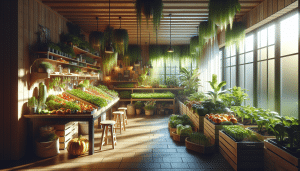
You Can Transform a Backyard With Raised Garden Beds
Valentina Marino September 27, 2025
Discover how raised garden beds can completely change the look, feel, and function of your backyard. This guide explores everything from setup choices to soil tips, emphasizing how accessible and rewarding home gardening can become when you start with the right foundation.
Why Raised Garden Beds Are Gaining Popularity
Raised garden beds have become one of the most popular solutions in modern backyard design. Their appeal goes beyond aesthetics; the structure itself simplifies gardening for people with varying experience levels. Placing garden beds above the ground helps prevent soil compaction, making it easier for beginners and experienced gardeners alike to maintain healthy plants with minimal digging. Raised beds encourage proper drainage and let you grow a diverse array of flowers, vegetables, or herbs, even if your native soil is less than ideal.
Another key reason raised garden beds attract attention is the improved control over soil quality. You can bring in high-quality organic compost, add custom blends, and avoid the many problems of poor native soil, such as clay or sand imbalances. This means plants can thrive with less risk of nutrient deficiencies, leading to better yields and healthier vegetation. Raised beds are a proven tool in sustainable gardening, as they deliver stronger, more predictable results in urban, suburban, or rural settings.
Aside from practicality, raised garden beds are visually striking and can become vibrant focal points within your garden design. Whether building them from wood, composite, or stone, these structures offer creative flexibility. Their defined boundaries make it easier to manage pathways, organize crop rotation, and create safe, accessible gardening environments for those with mobility concerns. With raised beds, even small spaces can become lush, productive, and visually inviting.
Planning the Right Location and Size
The success of raised garden beds often begins with location. Most vegetables and flowers flourish best with at least six hours of sunlight daily, so observe your backyard closely before final placement. Avoid spots near large trees or dense shrubs—roots can invade and steal nutrients from your bed. Ideally, choose areas close to a water source for effortless irrigation. The right location simplifies maintenance and maximizes your harvest potential, empowering even small-scale gardeners to succeed.
Bed size is another crucial factor. The most common width is about four feet, which allows you to reach into the center without stepping onto the soil—essential for preventing soil compaction. Length varies based on your available space, but most gardeners opt for six to eight feet as a manageable starting point. Depth typically ranges from six inches to two feet, depending on the types of plants you want to grow. Deep-rooted crops like carrots may require extra depth, while shallow beds suit lettuces and herbs well.
Accessibility matters. When planning your garden layout, consider how you will move between beds and maintain them throughout the season. Leave pathways at least two feet wide between garden beds for easy wheelbarrow or cart access. Good design now prevents frustration later. Clear maps and strategic placement not only enhance productivity but also ensure a more enjoyable overall gardening experience. With the right plan, transforming your backyard becomes both simple and satisfying.
Building Materials: Options and Practical Considerations
Choosing the right material for raised garden beds can impact their longevity, appearance, and environmental footprint. Cedar and redwood are favorites due to their natural resistance to rot and pests, though they come at a higher price point. Untreated pine is more affordable but typically has a shorter lifespan. Composite lumber offers a low-maintenance, rot-resistant alternative made from recycled materials, blending durability with sustainability. Each material offers unique benefits based on climate, budget, and personal style.
For those looking to repurpose or recycle, upcycled materials such as bricks, cinder blocks, or even corrugated metal can provide durable choices while keeping waste out of landfills. When selecting materials, be mindful of any substances that might leach into the soil. Treated lumber, while durable, can sometimes release chemicals that are unsuitable for food crops. Always prioritize non-toxic, garden-safe materials if you plan to grow edibles.
Assembly is generally straightforward and can be tailored to fit your needs. Pre-cut kits are widely available for those seeking convenience, while do-it-yourself builds allow complete customization of size and shape. Secure corners with corrosion-resistant screws or brackets, and use sturdy level ground for placement. Layering the bed bottom with cardboard suppresses weeds and encourages earthworms—nature’s best soil helpers—to thrive.
Creating the Perfect Soil Mix for Growth
The key to flourishing plants in raised beds is a premium soil blend. Unlike in-ground gardens, you control the composition completely. Most experts recommend a mix of one-third high-quality topsoil, one-third compost, and one-third material for aeration, like perlite or coarse sand. This blend retains moisture while draining well, striking an ideal balance for strong root systems and healthy, productive plants.
Regular organic matter refreshes soil nutrients season after season. Adding compost at least once a year boosts microbial life and supports year-round production. If your bed will host vegetables, add slow-release organic fertilizers or worm castings for longer-term nutrition. The practice of crop rotation—growing different plant families in each area seasonally—can also help prevent soil depletion and disease buildup.
Test your soil occasionally for pH and nutrient levels. The optimal pH for most vegetables is between 6.0 and 7.0. Simple home test kits or consultations with local agricultural extensions can guide precise adjustments. Mulch applied to the surface not only conserves moisture and suppresses weeds but also feeds the soil as it decomposes. These small habits pay major dividends over time, making your raised beds the envy of any home gardener.
Popular Plants and Smart Companion Choices
Raised garden beds can support nearly any plant. Vegetables like tomatoes, lettuce, peppers, and beans are excellent beginner choices, thriving in the loose, fertile soil. Shallow-rooted crops such as radishes and leafy greens do especially well, allowing for continuous harvests throughout the growing season. Mix in edible flowers—nasturtiums, calendula, or marigolds—for color and pollinator support.
Herb gardens are another favorite for raised beds. From basil and thyme to parsley and sage, herbs offer both culinary value and natural pest control. Many herbs produce aromatic oils that deter unwanted insects, making them smart companions for various veggies. Integrating flowers like marigolds creates organic barriers against nematodes and aphids, while attracting helpful bees and butterflies.
Certain plants excel when grown together, a practice known as companion planting. For example, pairing tomatoes with basil can enhance growth and flavor, while carrots and onions repel each other’s pests. Experimentation is part of the fun. Over time, these combinations can help maximize productivity, reduce pesticide needs, and build a vibrant, resilient backyard ecosystem.
Seasonal Care and Simple Maintenance Tips
Ongoing care keeps your raised garden beds productive and beautiful all year. Regularly check moisture levels, as beds tend to dry out faster than ground-level gardens. Water deeply but less frequently, aiming for early morning so plants absorb moisture before midday heat. Drip irrigation or soaker hoses are efficient solutions that minimize waste and foliage diseases.
Weed control is more manageable in raised beds, but vigilance is still important. Remove weeds as soon as they appear, using mulch as a preventative barrier. Inspect your beds weekly for pests or disease. Early intervention, such as hand-picking or organic remedies, often prevents small problems from escalating.
Between growing seasons, recharge your soil. Remove spent plants, add a new layer of compost, and consider planting cover crops like clover or vetch to fix nitrogen naturally. This practice protects the soil from erosion and suppresses off-season weeds. With these habits, even beginners can enjoy bountiful harvests while keeping maintenance manageable and sustainable.
References
1. University of Minnesota Extension. (n.d.). Raised bed gardening. Retrieved from https://extension.umn.edu/planting-and-growing-guides/raised-bed-gardens
2. Fine Gardening. (n.d.). The benefits of raised beds. Retrieved from https://www.finegardening.com/project-guides/structures/the-benefits-of-raised-beds
3. Cornell University. (n.d.). Raised bed gardening. Retrieved from https://gardening.cornell.edu/homegardening/scene7c2b.html
4. North Carolina State University Extension. (n.d.). Raised bed gardening. Retrieved from <https://content.ces.ncsu.edu/extension-gardener-raised-beds
5. University of Georgia Extension. (2020). Raised bed materials. Retrieved from https://extension.uga.edu/publications/detail.html?number=C1027
6. Penn State Extension. (2021). Soil for raised beds. Retrieved from https://extension.psu.edu/soil-for-raised-beds

 Unlocking Multiple Income Streams for Financial Freedom