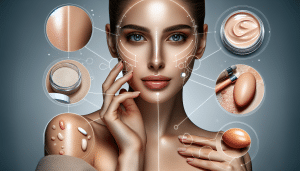
You Can Revitalize Skin With At-Home Face Masks
Camila Torres September 28, 2025
Unlock brighter, smoother skin with face masks you can use at home. This article explores natural ingredients, application tips, and skincare routines to help you personalize your wellness journey and enjoy glowing results. Learn how the simple act of masking can bring a fresh boost to your beauty regimen.
Why Face Masks Remain a Skincare Essential
Face masks are more than a fleeting trend. They serve as concentrated treatments for specific skin concerns like dryness, dullness, or breakouts. By delivering nourishing ingredients directly to your skin, face masks create an immediate impact and build up long-term improvements in skin texture and tone. Many skin wellness enthusiasts say that the ritual itself adds relaxation to their daily routine, making time spent masking as much for mental refreshment as physical renewal. This dual benefit continues to drive high demand for at-home beauty treatments.
Diverse options make masks accessible for nearly every skin type. Hydrating sheet masks, clay-based formulas, and gel masks target unique needs, allowing you to select products that enhance your routine. Popular mask ingredients like hyaluronic acid, green tea extract, and activated charcoal offer targeted results without complicated routines. The ease of use and effective results make at-home masks a mainstay in wellness plans across all ages and backgrounds.
Another key factor in their continued popularity is accessibility. Many at-home masks can be made from ingredients already found in the kitchen, while others are available from reputable beauty retailers. With instructions readily available from trusted dermatological and wellness sources, individuals can customize mask use according to their schedule and specific needs. This flexibility and low barrier to entry contribute greatly to the sustained attention that at-home masks enjoy in the beauty space (Source: https://www.aad.org/public/everyday-care/skin-care-basics/care/skin-care-during-covid-19).
Key Ingredients and Their Skin Benefits
When searching for the ideal mask, knowing which ingredients suit your desired outcome is crucial. Natural options like honey are appreciated for their hydrating and antimicrobial properties. Aloe vera delivers a soothing effect, targeting redness or irritation, while clay (such as kaolin or bentonite) removes excess oil and unclogs pores. An understanding of these components allows you to personalize your at-home facial rituals for glowing results.
Scientific reviews frequently highlight the value of antioxidants such as vitamin C, green tea, and licorice root in supporting an even skin tone. Their ability to help reduce pigmentation and redness makes these actives ideal for individuals focused on skin brightness. For those dealing with breakouts or congestion, salicylic acid and charcoal-infused masks are commonly recommended by dermatologists because they target impurities without over-drying (Source: https://www.ncbi.nlm.nih.gov/pmc/articles/PMC3673383/).
People with sensitive or mature skin may opt for masks featuring ingredients like oat extract, niacinamide, or hyaluronic acid for calming and plumping effects. The widespread availability of masks tailored for different ages, climates, and skin types highlights how beauty routines today are both customizable and accessible. Exploring real-world testimonials and dermatologist reviews can help guide your choice and unlock your healthiest glow.
How to Apply Face Masks for Maximum Benefit
Proper application helps you get the most from any mask routine. Begin with clean, slightly damp skin to aid ingredient absorption. A gentle exfoliation beforehand is optional but can help masks penetrate more effectively, especially for those dealing with clogged pores or dull texture. Skipping exfoliation, however, is recommended for sensitive skin types to avoid potential irritation.
Carefully follow application instructions for your chosen mask format. Spread an even layer using clean hands or a brush, avoiding eyes and lips. Timings matter: clay masks are often left on for 10–15 minutes to prevent overdrying, while hydrating gel or sheet masks may stay on longer for an intensive boost. It’s important to stick with guidelines to prevent any adverse reaction.
After mask removal, gently pat your face dry and follow with your regular moisturizer to seal in the benefits. Many experts recommend incorporating masks into your routine one or two times per week, although some hydrating formulas may be used more frequently. Regular use lets you observe changes and fine-tune your experience for smooth, clarified skin. For individuals with pre-existing skin conditions, consulting a board-certified dermatologist through reputable associations like the American Academy of Dermatology can ensure a safe and effective regimen (Source: https://www.aad.org/public/everyday-care/skin-care-basics/tips/face-mask-skin-problems).
Popular Natural DIY Mask Recipes and Tips
Homemade face masks offer flexible, budget-friendly options for wellness enthusiasts. Classic recipes feature yogurt, honey, oatmeal, or avocado as natural bases packed with skin-friendly vitamins and fatty acids. Many dermatologists suggest a simple blend of raw honey and Greek yogurt for moisture, while mashed avocado and oats provide gentle nourishment for sensitive or dry skin types (Source: https://medlineplus.gov/homemadeskincareproducts.html).
Adding a few drops of lemon juice or turmeric can target discoloration and deliver a clarifying boost. For an energizing mask, mix brewed green tea with fine sugar crystals as a gentle exfoliating scrub. When combining ingredients, always do a small patch test first to avoid irritation. Personalized blends let you control exactly what goes on your skin, minimizing the risk of unwanted additives sometimes found in commercial products.
DIY masks work best when used in moderation and adjusted to suit changing skin needs or weather conditions. Keeping homemade mixes fresh is important for safety. Storage in a clean, airtight container (and using within a day or two) is generally advised for recipes that contain perishable items. For those seeking a more minimalist wellness approach, basic combinations with just two or three ingredients can still offer real benefits, supporting a more mindful skincare journey.
Integrating Face Masks Into a Balanced Wellness Routine
Face masks can be a mindful addition to overall wellness, promoting both physical and emotional benefits. Regular masking rituals foster self-care, helping to carve out peaceful moments amid busy schedules. Many find the tactile aspect—cooling gels, soothing textures, gentle application—promotes relaxation and stress relief that carry over long after the skincare session ends.
Pairing masks with other habits, such as relaxation music or meditation, can deepen the calming effect and encourage amped-up results. Staying hydrated, adopting a balanced diet rich in antioxidants, and protecting skin from sun exposure all further amplify the payoff of masking. This holistic approach recognizes that healthy skin is the result of both external care and internal wellness (Source: https://www.cdc.gov/healthyweight/healthy_eating/index.html).
Consistency, not perfection, is the foundation of a successful regimen. Adjusting frequency and ingredients as seasons or stress levels change will help skin remain dynamic and resilient. Tracking your results with a journal or before-and-after pictures can introduce a fun, motivational element and make your self-care routine even more rewarding. Whether you mask alone or with friends, this classic beauty ritual offers real ways to reset and refresh both inside and out.
Precautions and Myths About At-Home Masks
With so many options available, sorting fact from fiction is important. Contrary to some claims, masks are not required daily for skin health. Overuse of abrasive or harsh ingredients can lead to irritation or disrupt your skin’s moisture barrier. Sticking to well-tested recipes and frequency guidelines protects the skin and encourages a healthy glow (Source: https://www.mayoclinic.org/healthy-lifestyle/adult-health/in-depth/skin-care/art-20048237).
Another widespread myth involves immediate, dramatic changes. While some masks provide instant softness or brightness, lasting improvements often require routine use alongside good skincare habits. Buyers should also watch for unsubstantiated marketing claims—some online recipes circulate without expert review, raising the risk of sensitivity or other adverse effects when used improperly.
If you notice redness, itching, or discomfort after using a mask, discontinue use and consult a certified dermatologist. Trusted informational sources like university dermatology departments and medical websites provide practical guidance for assessing suitability and choosing safe, effective options for all skin types (Source: https://www.health.harvard.edu/blog/skincare-does-your-routine-need-a-face-mask-2019081417532).
References
1. American Academy of Dermatology. (n.d.). Skin care during COVID-19. Retrieved from https://www.aad.org/public/everyday-care/skin-care-basics/care/skin-care-during-covid-19
2. Sarkar, R., & Puri, P. (2013). Cosmetic dermatology: Practical face masks. Retrieved from https://www.ncbi.nlm.nih.gov/pmc/articles/PMC3673383/
3. American Academy of Dermatology. (n.d.). Face mask skin problems. Retrieved from https://www.aad.org/public/everyday-care/skin-care-basics/tips/face-mask-skin-problems
4. MedlinePlus. (n.d.). Homemade skincare products. Retrieved from https://medlineplus.gov/homemadeskincareproducts.html
5. Centers for Disease Control and Prevention. (n.d.). Healthy eating for a healthy weight. Retrieved from https://www.cdc.gov/healthyweight/healthy_eating/index.html
6. Mayo Clinic. (n.d.). Skin care: 5 tips for healthy skin. Retrieved from https://www.mayoclinic.org/healthy-lifestyle/adult-health/in-depth/skin-care/art-20048237

 Why You Should Consider Starting a Side Hustle