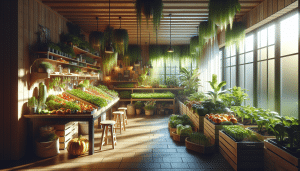
Surprising Benefits of Smart Home Gardening
Valentina Marino September 26, 2025
Explore how smart home gardening can transform the way people grow food and flowers at home, increase efficiency, and make gardening accessible to all skill levels. This detailed guide uncovers essential tools, modern automation, and sustainability trends now shaping home gardens.
The Evolution of Smart Home Gardening
Home gardening has seen remarkable change as advanced technology adapts to everyday life. The concept of smart home gardening includes integrating connected sensors, automated irrigation, and app-controlled lighting to nurture plants and crops. These innovative tools simplify otherwise complicated gardening routines by providing precise control over water usage, sunlight, and temperature. Many users are drawn to the convenience of managing plant care through smartphones, which enables gardening even from a distance or with little prior experience. This direct integration of digital tools meets growing demand for urban agriculture and empowers people with limited outdoor space.
Technology-driven home gardening also addresses real challenges many urban dwellers face. For example, lack of direct sunlight can be mitigated using intelligent grow lights that mimic natural cycles. Soil moisture sensors provide real-time data to prevent overwatering or drought stress—key for apartment gardens or raised beds installed on patios. This trend has also inspired many DIY enthusiasts to experiment with customizable systems, from vertical gardening walls to hydroponic setups, letting them grow herbs and vegetables indoors year-round. Smart gardening improves success rates and makes gardening less daunting for beginners.
As environmental concerns rise, smart home gardening aligns with broader goals for sustainability and reduced resource waste. By automating irrigation based on weather forecasts and plant needs, these systems conserve water and energy. Gardeners can track progress and receive troubleshooting tips via mobile notifications, creating an intuitive feedback loop that supports healthy plant growth and ongoing learning. Transitioning to high-tech gardening is about more than convenience—it’s a pathway to greener, more resilient homes and communities. Explore further to see how these systems work and what to expect when starting out (Source: https://www.epa.gov/watersense).
Smart Tools for Modern Home Gardens
Today’s home gardens benefit from a suite of smart tools designed to automate care and optimize plant health. Soil monitors track pH, temperature, and moisture, allowing timely interventions and targeted fertilization. App-enabled irrigation systems adjust schedules based on local weather for maximum efficiency and minimal waste. Even robotic mowers and weeders are gaining popularity, making yard maintenance effortless for busy households. Enthusiasts often appreciate how these devices can be programmed and monitored remotely, giving a new level of control and insight into daily garden conditions.
Effectively using these tools means understanding what each component does and how it contributes to the bigger picture. Smart planters with built-in sensors alert users if a plant needs water or is getting too much sun. Gardeners can receive push notifications or weekly progress reports directly to their devices, building knowledge and confidence over time. Additionally, some systems allow users to set up routines for multiple garden zones, ensuring an entire yard or greenhouse is tended according to its unique needs. This holistic approach streamlines garden management and boosts the enjoyment of growing fresh produce at home.
The integration of artificial intelligence, such as image recognition apps, allows for fast disease identification and pest management. People are now empowered to make data-driven decisions, helping safeguard their investment and ensuring robust harvests. Many reputable suppliers and university extension programs provide detailed guides and support for setting up a smart garden. This supportive ecosystem reflects a growing movement—one in which gardening is no longer labor-intensive or mysterious, but an accessible, enjoyable, and rewarding pursuit for nearly anyone interested.
Designing a Sustainable Smart Garden
Sustainability is at the heart of modern home gardening. Smart gardening not only saves time but actively reduces waste and environmental impact. Automated drip systems adjust watering levels precisely to the plant’s needs, effectively eliminating run-off and water waste. Integrated composters help transform food scraps and lawn clippings into rich soil amendments, closing the nutrient cycle. Solar-powered garden accessories further minimize energy footprints and demonstrate how technology blends seamlessly with environmental stewardship at home.
Gardeners aiming for low-impact lifestyles find it easy to adopt eco-friendly practices with smart tools. For instance, rain sensors can pause irrigation after precipitation, or moisture monitors will trigger watering only when truly needed. Sustainable gardening also means planting native species, integrating pollinator-friendly flora, and encouraging biodiversity around the porch or in backyard beds. Homeowners can use online databases and apps to select regionally adapted plants and learn about organic approaches to fertilizers and pest control (Source: https://www.audubon.org/content/why-native-plants-matter).
Long-term sustainability in gardening is achieved by tracking and analyzing outcomes. Smart garden systems often come with dashboards summarizing trends, water use, and yield. This real-time data supports ongoing improvements and shared learning among neighborhood gardeners. Collectively, these habits encourage greater resilience to climate change and inspire new models for edible landscaping. When thoughtfully planned and managed, a sustainable smart home garden can serve as a living classroom for the community and future generations.
Smart Gardening Indoors
Indoor gardening has flourished, thanks to advances in smart technology. Self-watering planters, smart grow lights, and automated nutrient dispensers help apartment dwellers raise herbs, greens, and flowering plants with ease. These compact systems fit windowsills, countertops, or shelves, turning small spaces into lush mini-gardens. The ability to monitor and adjust growing conditions remotely appeals to tech-savvy households and busy professionals who would otherwise miss the joy of fresh homegrown food.
App-controlled indoor gardens provide support for every stage of plant growth. Hands-on videos, reminders, and AI-driven coaching apps walk new gardeners through everything from seed sowing to harvest. Some systems allow for integration into larger home automation networks—think voice-activated lighting adjustments or smart thermostats optimizing temperature for sensitive seedlings. For individuals with limited mobility or tight schedules, the convenience of intelligent indoor gardens lowers barriers and invites experimentation with a wide range of crops and ornamental varieties.
Natural light limitations are simply solved with full-spectrum LED fixtures on adjustable timers. The addition of humidity sensors and air purifiers helps create healthy microclimates ideal for seedling trays or bonsai collections. Indoor smart gardening opens doors for creative decor, functional food production, and personal wellness routines, making it much more than just a hobby. As more people seek self-sufficiency and reduce food miles, indoor growing using smart tools is likely to remain a central trend.
Overcoming Common Challenges in Smart Home Gardens
While the promise of smart gardening is compelling, beginners may encounter a few obstacles. Connectivity issues, unexpected plant diseases, and adapting traditional practices to new tools are among them. Reading manuals and connecting with online gardening communities can quickly solve most technical snags. Many manufacturers offer troubleshooting guides and responsive support ensuring users don’t have to navigate setbacks alone. With the right approach, initial hiccups often become valuable learning experiences, empowering users with new confidence in their gardening abilities.
Another common concern is cost. While some smart garden systems carry a higher upfront price, ongoing savings from reduced resource use and successful harvests balance this over time. Many people also find value in community gardens or group purchases that help reduce individual expenses. Schools and libraries may offer workshops, lending programs, or public demonstration gardens where newcomers can experiment before investing in home setups. Smart gardening is increasingly accessible, with both entry-level and advanced options available for every budget (Source: https://www.energy.gov/energysaver/save-electricity-and-fuel/lighting-choices-save-you-money).
Concern about the environmental impact of electronic devices is also valid. Many manufacturers now design smart gardening products to be energy efficient, durable, and repairable. Users can check for certifications or recommendations by environmental agencies before making a purchase. With careful planning and a willingness to learn, almost anyone can overcome the challenges of blending technology and tradition in their gardens—growing both their home harvest and their gardening knowledge.
Smart Gardens and Community Connections
Smart home gardening extends beyond individual yards. Community gardens increasingly adopt technology to streamline management, improve yields, and bring new members into the fold. Shared resources such as sensor-equipped raised beds or app-synced watering systems make it possible for groups to care collectively for large plots, reducing workload and improving communication. Smart tech helps document progress and plan crops based on seasonal data, connecting people who might otherwise lack gardening experience. This shared approach strengthens neighborhood ties and can inspire healthy, locally-grown food initiatives.
Garden clubs and nonprofit organizations use remotely monitored garden plots for educational workshops and afterschool activities. Children can learn about soil health or plant biology through interactive garden dashboards and mobile games that track real watering and harvesting schedules (Source: https://kidsgardening.org). These collective experiences nurture a new generation of eco-conscious citizens, while helping adults rediscover connections to nature right where they live. Smart gardening fosters lifelong skills, confidence, and creativity among participants of all ages.
Online platforms and social media connect tech-enabled gardeners with mentors, swap seeds, and provide instant advice. These digital communities are hubs for troubleshooting, sharing inspiration, and building resilience through collaboration. As more people explore smart gardening at both home and community scales, it’s clear that the future of home gardening blends tradition, innovation, and shared discovery. From urban rooftops to backyard pollinator gardens, smart tech is sowing the seeds of tomorrow’s greenest communities.
References
1. Environmental Protection Agency. (n.d.). WaterSense. Retrieved from https://www.epa.gov/watersense
2. Audubon Society. (n.d.). Why Native Plants Matter. Retrieved from https://www.audubon.org/content/why-native-plants-matter
3. U.S. Department of Energy. (n.d.). Lighting Choices Save You Money. Retrieved from https://www.energy.gov/energysaver/save-electricity-and-fuel/lighting-choices-save-you-money
4. University of California Agriculture & Natural Resources. (n.d.). Smart Gardening. Retrieved from https://ucanr.edu/sites/sacmg/smartgardening
5. KidsGardening.org. (n.d.). Lessons and Activities. Retrieved from https://kidsgardening.org
6. University of Minnesota Extension. (n.d.). Smart Garden Series. Retrieved from https://extension.umn.edu/smart-gardening

 Nutrition Practices That Boost Cognitive Function