Smart Home Innovations That Reduce Energy Usage
Valentina Marino September 23, 2025
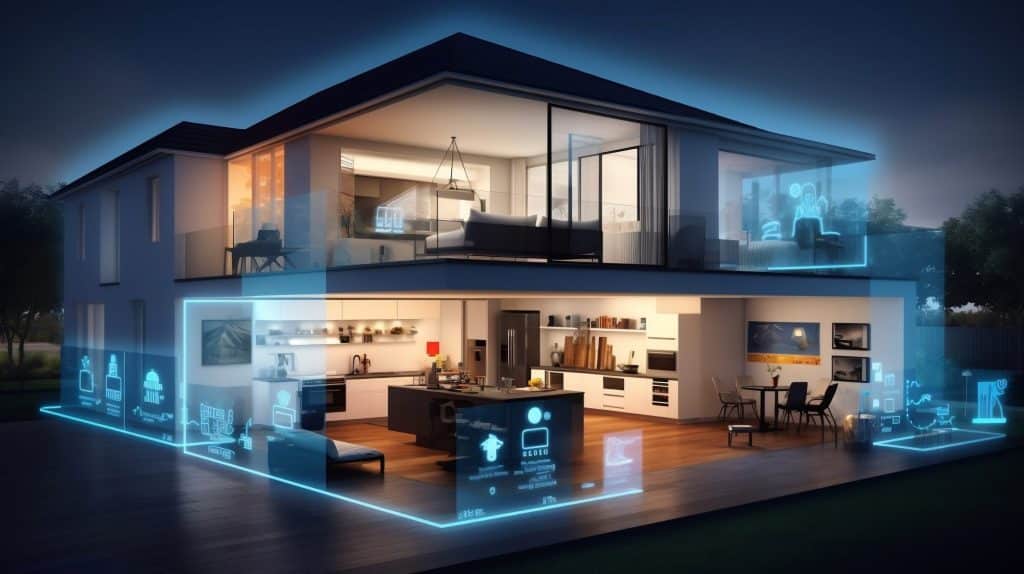
As global energy demands rise, the need for sustainable energy solutions becomes more pressing than ever. Enter smart home innovations—a growing trend that is not only reshaping how we interact with our living spaces but also offering an effective way to reduce energy consumption. With the help of smart devices, homeowners can now monitor, manage, and optimize their energy usage in ways previously unimaginable. In this article, we will explore the current hot trends in smart home technology that are helping reduce energy usage while providing comfort and convenience.
1. Smart Thermostats: The Heart of Energy Efficiency
One of the most well-known and widely adopted smart home innovations is the smart thermostat. Devices like the Nest Learning Thermostat or Ecobee SmartThermostat have revolutionized how homeowners manage heating and cooling systems. These devices not only allow remote control of your home’s temperature via smartphone apps but also learn your schedule and preferences over time. Smart thermostats automatically adjust the temperature to match your daily routines, preventing energy waste when you’re away from home or asleep.
According to a study by the Environmental Protection Agency (EPA), a smart thermostat can save homeowners up to 10-12% on heating and 15% on cooling costs annually. This reduction in energy consumption is particularly valuable in regions with extreme climates, where heating and cooling costs often comprise a significant portion of monthly utility bills.
Additionally, many smart thermostats offer integration with other smart home systems, such as voice assistants like Amazon Alexa or Google Assistant. This hands-free control allows you to adjust temperatures on the go, ensuring that you don’t waste energy by keeping your home too warm or cold when it’s unnecessary.
2. Smart Lighting Systems: Reducing Wasteful Energy Use
Lighting is another area in which smart home technology is having a profound impact on energy efficiency. Traditional incandescent bulbs waste a lot of energy by emitting more heat than light, whereas LED bulbs are far more energy-efficient. Now, with the advent of smart lighting systems, it’s easier to control the energy use of your home’s lighting.
Smart lighting systems such as Philips Hue and LIFX allow users to automate lighting schedules, dim lights remotely, and even control the color temperature of bulbs. For example, you can set your lights to turn off automatically when you leave a room or when you go to bed. Similarly, you can create lighting scenes that mimic natural daylight during specific hours of the day to reduce the need for artificial lighting.
Moreover, motion sensors integrated into smart lighting systems can detect when rooms are occupied and adjust the lighting accordingly. This feature can help reduce the amount of energy used in rooms that are infrequently occupied, thereby saving money and reducing your carbon footprint.
3. Smart Plugs: Optimizing Power Usage
While many homeowners have embraced smart thermostats and lighting, there is a simple yet effective device that can have a significant impact on energy efficiency—smart plugs. These small, relatively inexpensive devices allow you to control the power supply to everyday appliances, such as coffee makers, TVs, or home entertainment systems.
Smart plugs like TP-Link Kasa Smart Plug or Wemo Mini Smart Plug allow users to schedule when appliances are powered on or off. For instance, you can set your coffee maker to start brewing only when you’re awake and turn off after a certain time. Similarly, with a simple app on your phone, you can check if any devices have been left on and remotely power them off, preventing standby power waste.
Energy monitoring is also a critical feature offered by many smart plugs. Some models provide real-time reports on the power usage of connected devices, allowing you to identify energy hogs in your home and replace them with more energy-efficient alternatives.
4. Smart Appliances: Revolutionizing Home Efficiency
The latest wave of smart home innovations extends beyond simple devices and systems, with the emergence of smart appliances. These appliances are designed to optimize energy consumption through advanced features and connectivity. For example, smart refrigerators can track food inventory, monitor energy usage, and alert homeowners when it’s time for maintenance to keep the appliance running efficiently.
Smart dishwashers and washing machines, such as those offered by Samsung and LG, use sensors to detect the optimal water temperature, load size, and wash cycle, ensuring that each task uses the least amount of energy possible. These appliances also offer remote control, allowing users to start or stop a load of laundry while they’re away, ensuring they only run when necessary.
In addition, smart appliances provide insights into energy use, allowing homeowners to track their overall energy consumption and identify opportunities for optimization. With these innovations, homeowners can enjoy a more streamlined and efficient lifestyle while contributing to a reduction in their carbon footprint.
5. Solar Power Integration with Smart Home Devices
Perhaps one of the most exciting innovations in the realm of smart homes is the integration of solar power systems with smart devices. By pairing solar panels with a smart home energy management system, homeowners can maximize their use of renewable energy. Solar energy systems can be monitored remotely to ensure that the panels are performing optimally, while battery storage options allow for the storage of excess energy for later use.
Devices like Tesla’s Powerwall integrate with smart home systems to store solar energy and release it when needed, reducing reliance on the grid and lowering energy bills. Smart home systems like Sense can even track and display the energy consumption of individual appliances, providing detailed insights on how solar energy is being utilized.
Not only does this integration help reduce utility costs, but it also supports environmental sustainability by decreasing reliance on fossil fuels and reducing greenhouse gas emissions.
6. Smart Home Security Systems: Monitoring Energy Use and Saving Money
Beyond energy usage, smart home security systems also contribute to energy efficiency. Smart cameras, doorbells, and motion sensors help homeowners monitor activity around their property and control lighting and heating based on occupancy. By using these devices in conjunction with other smart technologies, homeowners can automate the temperature and lighting settings when they’re away, reducing energy waste.
Additionally, smart locks and security systems that only activate when necessary ensure that doors and windows are securely locked when not in use, preventing heat loss or air conditioning from being wasted due to poor insulation or open doors.
Conclusion
Smart home innovations are proving to be game-changers in the world of energy efficiency. By investing in smart thermostats, lighting systems, appliances, and other intelligent devices, homeowners can significantly reduce their energy consumption while also enjoying the added benefits of convenience, comfort, and sustainability.
As these technologies continue to evolve, we can expect even more advancements that will make managing energy usage in our homes even easier. By embracing these smart innovations today, homeowners are not only reducing their utility bills but also playing a crucial role in protecting the environment for future generations.
References:
- U.S. Environmental Protection Agency. (2021). “Energy Star: Smart Thermostats.” Available at: https://www.energystar.gov (Accessed: 23 September 2025)
- National Renewable Energy Laboratory. (2022). “The Role of Solar Power in Smart Homes.” Available at: https://www.nrel.gov (Accessed: 23 September 2025)
- U.S. Department of Energy. (2021). “Energy Efficiency in Smart Homes.” Available at: https://www.energy.gov (Accessed: 23 September 2025)

 Travel Planning Tips for Cultural Exploration