Secrets of Indoor Plants for Healthier Homes
Valentina Marino September 25, 2025
Discover how incorporating indoor plants can transform your living space, improving air quality and creating a serene atmosphere. This guide explores the many benefits of houseplants, from wellness perks to maintenance tips and must-have varieties for every lifestyle.
How Indoor Plants Improve Home Air Quality
Indoor plants aren’t just visually appealing; they are powerful allies in the quest for cleaner air within your living space. Many leafy greens naturally filter harmful pollutants like benzene, formaldehyde, and trichloroethylene through a process known as phytoremediation. Some well-studied varieties such as spider plants, peace lilies, and snake plants excel at removing common toxins found in indoor environments (Source: https://www.epa.gov/indoor-air-quality-iaq/inside-story-guide-indoor-air-quality). These plants absorb contaminants through their leaves and roots, breaking them down into less harmful compounds. Incorporating a few houseplants into key rooms can help maintain a fresher, more breathable home atmosphere.
Research has revealed that poorly ventilated homes may harbor higher levels of volatile organic compounds (VOCs), which can lead to headaches and respiratory irritation. By integrating thriving green houseplants in areas prone to limited airflow or dust accumulation, homeowners offer a natural solution to indoor air pollution. Beyond pollutant removal, certain plants emit water vapor, increasing humidity and creating conditions less favorable for flu viruses and allergens to thrive. Spider plants and ferns are particular champions in this regard, making them popular choices for homes with children or allergy-prone residents.
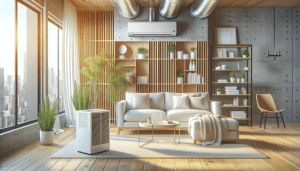
While they may not completely replace the need for proper ventilation or purifiers, indoor plants are a complementary addition to existing air quality strategies. A small collection of greenery near workspaces, bedrooms, or kitchens can subtly boost daily comfort levels. This approach combines aesthetic beauty with practical benefits, offering a soothing living environment. The presence of greenery has also been shown to support mental well-being, creating a multi-dimensional value that extends beyond simple air purification.
Choosing the Right Houseplants for Your Lifestyle
Selecting the perfect plant depends on more than looks—lifestyle, sunlight availability, and care commitments all play key roles in sustainable plant parenting. Low-light apartments, for instance, benefit from robust options like snake plants and ZZ plants that thrive despite minimal daylight. On the other hand, bright and sunny windowsills are ideal for succulents or cacti, which love direct rays and dry soil. By matching plant species with individual routines and space constraints, everyone can experience the satisfaction of nurturing indoor greenery.
Pet owners often seek non-toxic plant varieties, as curious cats and playful dogs may nibble leaves or knock over pots. The Boston fern, spider plant, and areca palm are well-regarded for their pet safety, giving peace of mind while greening your home. Another common requirement is low-maintenance care: busy professionals and frequent travelers might opt for pothos or sansevieria, which require minimal watering and tolerate occasional neglect. Matching plant characteristics to lifestyle can make the difference between thriving foliage and frustrated owners.
For those short on time, grouping similar care plants together forms a practical strategy. Cluster drought-tolerant species for easy, synchronized watering or create a humidity zone with moisture-loving ferns. The key lies in understanding both your habits and your available living space. Many botanical organizations and gardening centers can advise on the appropriate varieties for various light, humidity, and temperature conditions (Source: https://hgic.clemson.edu/factsheet/choosing-houseplants/). With a thoughtful approach, a living indoor landscape is achievable for almost any household.
Health and Wellness Benefits of Having Indoor Plants
Beyond tangible air purification, houseplants have a profound effect on human well-being. Research demonstrates that simply being near greenery lowers stress, promotes focus, and enhances mood (Source: https://www.ncbi.nlm.nih.gov/pmc/articles/PMC4419447/). This is particularly relevant in home offices, where productivity and attention are easily derailed by fatigue or distraction. A well-placed jade plant or peace lily can foster a calming work environment and even contribute to a slight boost in creativity, making challenging tasks feel more manageable.
Children, too, stand to benefit from indoor plants. Exposure to nature, even indoors, helps develop curiosity and respect for the environment while reducing behavioral issues. Working with plants—repotting, watering, or simply watching them grow—also encourages mindfulness and relieves anxiety. Elderly individuals may find comfort and companionship in plant care, supporting overall cognitive health and providing purpose in daily routines, as highlighted in care home studies (Source: https://www.ncbi.nlm.nih.gov/pmc/articles/PMC5664031/).
Indoor plants are sometimes used to create therapeutic spaces. Hospitals, therapy rooms, and meditation corners often include greenery to cultivate a healing atmosphere. The restorative effects are supported by both scientific research and anecdotal reports, showing that people recover more quickly and experience less anxiety in spaces enriched with plants (Source: https://www.ncbi.nlm.nih.gov/pmc/articles/PMC6070355/). Integrating foliage throughout your home can support both physical and emotional resilience, letting you build a sanctuary of health and comfort.
Stylish Ways to Arrange Plants for Interior Design
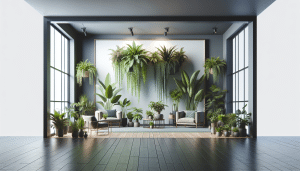
Greenery is not just beneficial—it offers boundless creative opportunities for interior design. Hanging gardens, vertical wall planters, and floating shelves offer fresh ways to showcase lush foliage, even in smaller apartments. Grouping several plants with varying heights and leaf textures can turn a forgotten corner into a dynamic focal point. Earth-toned pots, woven baskets, and vibrant ceramic planters further personalize your botanical display, letting you curate a style that suits your taste and space.
Strategically placing plants in entryways or by large windows maximizes their visual impact. Larger statement plants, such as fiddle leaf figs or bird of paradise, introduce sculptural drama, while small trailing vines soften sharp edges and bring warmth to bookshelves or workspaces. To follow current trends, consider the biophilic design movement, which emphasizes blending natural elements seamlessly with modern living. Textiles, artwork, and furniture that echo organic shapes and hues help create a cohesive, restful environment in partnership with your plant collection.
Creative styling isn’t just for looks—it helps meet the practical needs of your plants. Ensuring sufficient light, airflow, and access to water is essential for long-term success. Rotating displays by the season allows you to adapt to changing sunlight or humidity levels while experimenting with different layouts. Expert resources from home and garden publications provide countless ideas for balancing design, sunlight, and care requirements (Source: https://www.gardendesign.com/houseplants/), making it easy to transform every corner of your home with greenery.
Essential Maintenance Tips for Thriving Houseplants
Consistent care keeps indoor plants healthy and vibrant. It starts with understanding the watering needs of each species, as overwatering is a common cause of drooping or yellow leaves. Many houseplants prefer soil that dries out slightly between waterings, such as pothos and succulents, while tropical varieties like ferns or calatheas need consistently moist soil. Checking soil moisture with a simple finger test helps tailor care to each plant’s preferences, reducing the risk of root rot or fungus gnats.
The right amount of sunlight is vital. Too little can stunt growth or cause leaf drop, while too much may scorch delicate foliage. Observe how your plants react to their environment and adjust placements seasonally for optimal health. Rotating pots periodically ensures symmetrical growth and prevents plants from leaning or losing shape. Occasional dusting of leaves supports efficient photosynthesis and gives your plants a healthy shine.
Don’t overlook nutrition. Most houseplants benefit from a gentle application of fertilizer during the growing season—typically spring and summer. Choose organic or balanced blends and follow recommended dosing to avoid chemical buildup in the soil. Pruning and repotting are also crucial for long-lived plants, encouraging new growth and preventing overcrowding. Maintenance, when tailored to each species, rewards you with robust, attractive foliage for years to come. Expert guides offer detailed routines for monthly and seasonal plant care (Source: https://extension.psu.edu/houseplants).
Common Issues and Simple Solutions for Home Gardeners
No plant parent is immune to occasional setbacks. Yellowing leaves, dropping buds, or stubborn pests can affect even the most experienced enthusiasts. Identifying problems early helps prevent long-term damage. Most issues stem from environmental stress—wrong lighting, excessive water, or poor drainage. Adjusting care routines can usually remedy these problems, while plant-specific forums and extension services provide valuable troubleshooting advice (Source: https://hort.extension.wisc.edu/articles/houseplants-overview/).
Houseplant pests, like spider mites and fungus gnats, occasionally invade indoor gardens. An integrated pest management approach favors gentle, non-toxic solutions such as neem oil sprays or sticky traps over chemical treatments. Physical barriers and careful cleaning deter future infestations, making prevention as important as cure. For persistent issues, horticultural experts recommend isolating affected plants and seeking diagnosis from local extension offices or plant nurseries for targeted advice.
Regular monitoring and patience pay off in the long run. Many plant issues result from minor imbalances—incorrect watering schedules, shifts in sunlight, or abrupt moves around the home. A simple adjustment is often all that’s needed to restore health and vibrancy. Over time, gardeners build confidence, learning to read subtle signals from their plants and responding proactively to changes. This ongoing dialogue nurtures not only the plants themselves but also the gardener’s own connection to home and nature.
References
1. United States Environmental Protection Agency. (n.d.). The Inside Story: A Guide to Indoor Air Quality. Retrieved from https://www.epa.gov/indoor-air-quality-iaq/inside-story-guide-indoor-air-quality
2. Clemson Cooperative Extension. (2023). Choosing Houseplants. Retrieved from https://hgic.clemson.edu/factsheet/choosing-houseplants/
3. Park, S.H., & Mattson, R.H. (2017). Effects of Plants on People: A Literature Review. Retrieved from https://www.ncbi.nlm.nih.gov/pmc/articles/PMC4419447/
4. Kwack, H.R., Han, S.W., & Kim, M.J. (2017). The Effect of Interaction with Indoor Plants on Human Stress and Health. Retrieved from https://www.ncbi.nlm.nih.gov/pmc/articles/PMC5664031/
5. Shin, W.S., et al. (2018). The Influence of Forest Experience on Self-Reported Health and Well-Being. Retrieved from https://www.ncbi.nlm.nih.gov/pmc/articles/PMC6070355/
6. Penn State Extension. (2023). Houseplants. Retrieved from https://extension.psu.edu/houseplants

 Emerging Trends in Global Business