Gardening Tips That Encourage Pollinator Growth
Valentina Marino September 30, 2025
If you’ve ever planted a pretty flower bed only to wonder why bees never visit, it’s time to shift from aesthetics to purposeful pollinator gardening. The latest trends in 2025 are blending ecology, design, and technology to create garden spaces that truly support pollinator growth. In this guide, you’ll learn how to apply these innovations—backed by research and real-world examples—to your own garden.
Why Pollinator-Friendly Gardens Are Getting Smarter
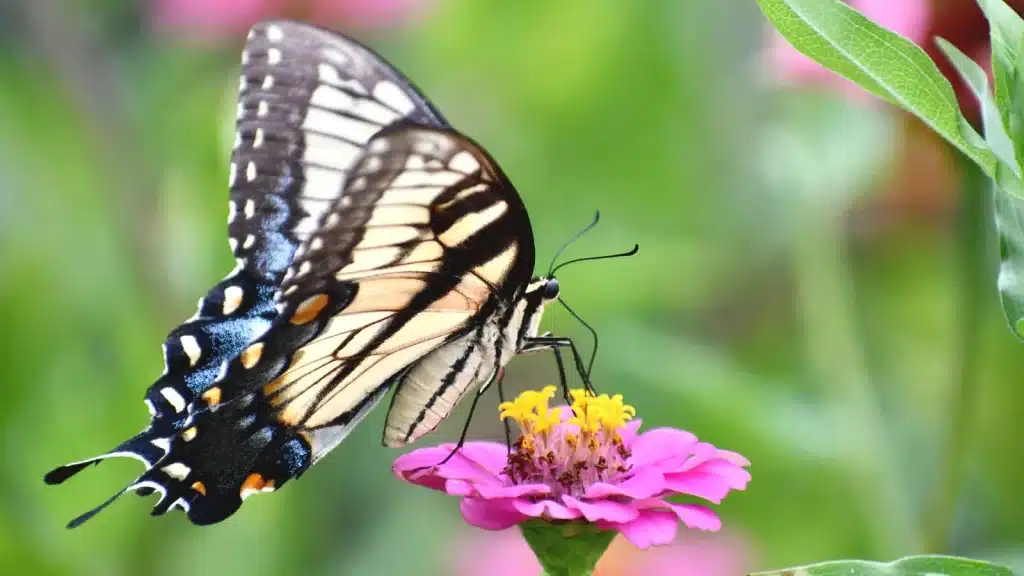
Concerns about pollinator decline are growing, especially with pressures like climate change, habitat loss, and mismatches in flowering times. A recent study found that flower species richness is the most important predictor of pollinator diversity and abundance in gardens and wild areas.¹ Also, heavy fertilizer use has been linked to dramatic drops in pollinator numbers—largely because it favors fast‑growing grasses that choke out wildflowers.²
As awareness rises, gardening practices are evolving. People now view gardens not only as decoration or food plots, but as ecosystems. These newer strategies help ensure that pollinators thrive—but to do so, gardeners must adopt smarter planting, design, and maintenance practices.
Key Trend 1: Nativars and Native Plant Innovation
Native plants have long been championed for pollinator gardens. But 2025 is seeing the rise of nativars—cultivated varieties of native plants that are bred to suit garden environments (e.g. more compact size or stronger bloom) while still preserving ecological benefit.³
How to use this trend:
- Choose traditionally native species first (like native milkweed for monarch butterflies).
- Use nativars when space or garden form requires compactness—just ensure they still offer nectar and pollen.
- Avoid sterile cultivars or double‑flower forms that may lack accessible nectar or pollen.
This balance allows gardeners to marry beauty and utility.
Key Trend 2: Mini Meadows & Prairie-Style Garden Patches
Lawns are being replaced by micro‑meadows. Instead of a sea of turf, gardeners plant pockets of native wildflowers and grasses that bloom in succession across seasons.⁴ This “meadow mania” approach does more than attract pollinators—it builds resilience against heat, drought, and erratic rainfall.⁵
Practical steps:
- Select a small area or a border margin.
- Mix early-, mid-, and late-blooming species to cover the full pollination season.
- Use plants of varying heights and bloom sizes to support a range of pollinators.
- Let some plants self-seed, but monitor to avoid runaway spread.
Even a few square meters can make a big difference in pollinator habitat when managed thoughtfully.
Key Trend 3: Pollinator Pots & Mini Water Habitats
Not all pollinator support has to be grand-scale. One emerging micro-trend is pollinator pots—small vessels or cups filled with shallow water for bees, butterflies, and other insects to drink.⁶ These are especially useful in small gardens, patios, or balconies where space is limited.
Tips to implement:
- Use shallow dishes or cups filled with water (never sugar water).
- Add pebbles or rocks so insects can safely land without drowning.
- Refresh the water and clean containers weekly.
- Distribute them among flower clusters so pollinators don’t have to travel far.
This small gesture can increase habitat suitability, especially in dry conditions.
Key Trend 4: Urban Corridors & Pollinator Pathways
Beyond individual gardens, urban planners and communities are forging pollinator pathways—linear corridors of pollinator-friendly plantings connected through neighborhoods.⁷ These green strips might occupy street verges, sidewalk edges, or small public plots, stitching isolated gardens into breathable habitat networks.
Gardeners can play a role:
- Volunteer for local pollinator pathway initiatives or plant on curbsides.
- Use coordinating native plant palettes so adjacent gardens connect visually and ecologically.
- Share seeds or plants with your neighbors to promote continuity.
A pollinator cannot care about property lines—the more seamless the habitat, the better.
Key Trend 5: Data, Monitoring & Smart Garden Tech
Gardeners now have access to technological tools that were once reserved for large farms. Tools like automated insect detection systems are helping researchers monitor pollinator populations in real time.⁸ Likewise, smart moisture sensors and drip irrigation tailored to native plant needs reduce waste and protect pollinator health.
How to use this trend:
- Try a pollinator‑monitoring app or citizen‑science platform to track what visits your garden.
- Use soil moisture probes or timers to avoid overwatering (which can drown ground-nesting insects).
- Adjust maintenance based on recorded trends—if one species declines, change plant mix or shelter options.
Tech doesn’t replace you—it gives you better feedback for long-term success.
Best Practices: Design & Maintenance for Pollinator Gardens
Below is a checklist to ensure your garden supports pollinators all year:
| Focus | What to Do |
|---|---|
| Flower diversity | Plant many species; research shows flower richness drives pollinator abundance.¹ |
| Bloom continuity | Stage planting so something is always in flower from early spring through fall. |
| Nest/shelter habitat | Add bare ground patches, brush piles, or insect hotels for nesting and overwintering. |
| Avoid harsh chemicals | Eliminate or minimize pesticide use—overuse can trigger ecosystem collapse.⁹ |
| Water & shelter | Provide shallow water sources, wind breaks, and shade. |
| Adaptive management | Observe, monitor, and adjust plant selection and design over time. |
Putting It All Together: A Sample Planning Guide
- Site assessment: Note sun exposure, soil type, wind, and water availability.
- Design layout: Mark zones for meadow, perennial beds, containers, and pollinator pots.
- Plant palette: Combine natives, select nativars, and include long-season bloomers.
- Installation: Prepare soil (avoid heavy fertilization), mulch lightly, install drip lines.
- Supplemental features: Add pollinator pots, insect hotels, and sheltered zones.
- Seasonal care: Cut portions of meadow in rotation; clear overwintering debris selectively.
- Observation & tweaking: Use a journal or app to track pollinator visits and adjust plant mix.
Start modestly. Even a 2 × 2 meter patch with three to five species plus a water dish can draw in bees, butterflies, and hoverflies. Over time, expand and connect with neighbors.
Why These Trends Matter in 2025
As climate patterns shift and urban landscapes expand, pollinators need resilience to survive. Gardens that mimic natural ecological processes—but remain manageable—offer powerful refuge. The trends of meadowizing, nativars, micro‑habitats, and community pathways offer ways that even small-scale gardeners can make impactful contributions.
Across universities, new experimental pollinator gardens are already drawing species like hummingbirds and native bees into once-barren landscapes.¹⁰ At the same time, global declines in insect populations make it imperative that gardeners do more than plant what they “like”—they must plant what pollinators need.
References
- Neumann, A. E., Klein, A.-M., Schumacher, J., Weisser, W. W., & Tscharntke, T. “Flower richness is key to pollinator abundance: The role of garden features in cities.” Available at: https://www.researchgate.net (Accessed: 30 September 2025)
- “Pollinator Pathway Toolkit.” PollinatorPathways (official). Available at: https://pollinatorpathways.com (Accessed: 30 September 2025)
- “What is a Pollinator Pathway?” Pollinator‑Pathway.org. Available at: https://www.pollinator-pathway.org (Accessed: 30 September 2025)

 Wellness Practices That Support Mindfulness