Interior Decor Ideas That Maximize Functionality
Valentina Marino September 26, 2025
As modern homes continue to evolve, the demand for both beauty and functionality has skyrocketed. With more people living in smaller spaces or looking to make their existing homes more practical, interior décor trends have shifted towards maximizing functionality without compromising on aesthetics. Whether you’re revamping your entire space or just looking for ways to make your home more efficient, these interior decor ideas are designed to enhance your space while keeping things organized, practical, and stylish. Let’s explore the top trends and ideas that focus on maximizing the functionality of your home in 2025.
1. Multi-Functional Furniture: A Game-Changer for Small Spaces
One of the most effective ways to maximize functionality in your home is by investing in multi-functional furniture. These pieces are specifically designed to serve more than one purpose, making them ideal for small spaces or homes that are short on storage.
Storage-Integrated Furniture
Furniture with built-in storage options like ottomans, coffee tables, and bed frames with drawers can help you declutter your space while maintaining a sleek and minimalist aesthetic. For example, a storage bench can double as seating and a place to store extra blankets or shoes, while a coffee table with hidden compartments can store remote controls, books, and other living room essentials.
Convertible Pieces
Convertible furniture is another great option for maximizing space. A sofa that turns into a bed, or a dining table that expands when needed, can help make the most of your home’s functionality. Murphy beds, which fold up into the wall, are becoming increasingly popular in studio apartments and guest rooms as they allow for more floor space when the bed is not in use.
2. Open Shelving and Modular Storage Systems
Gone are the days of closed-off cabinets and cluttered countertops. Open shelving and modular storage systems are gaining traction as versatile solutions for keeping things both functional and aesthetically pleasing.
Open Shelving in Kitchens
It has become a favorite in kitchen design due to its ability to display kitchenware while also allowing easy access to frequently used items. By installing open shelves, you can free up cabinet space and make your kitchen feel more open and airy. Organizing your open shelves with baskets or clear jars can keep the space tidy and visually appealing.
Modular Storage for Versatility
Modular storage systems are adaptable and can be customized to fit your home’s unique needs. Whether it’s bookshelves, closet systems, or even modular kitchen units, these systems allow you to create flexible storage solutions that can change as your needs evolve. This adaptability makes modular storage a valuable investment for homeowners who are looking to maximize both functionality and style.
3. Smart Home Integration for Seamless Living
Incorporating smart home technology into your interior design can significantly increase the functionality of your space. From lighting and temperature control to security and entertainment, integrating smart devices into your home makes everyday tasks easier and more efficient.
Smart Lighting Systems
Smart lighting systems allow you to control the brightness, color, and schedule of your lights from your smartphone or voice assistant. Not only does this enhance convenience, but it can also help you save energy by automatically turning off lights when not in use or adjusting brightness levels based on the time of day. Additionally, smart lighting can be a key element in creating a functional, modern ambiance in any room.
Smart Thermostats and Appliances
A smart thermostat lets you adjust your home’s temperature remotely, ensuring that your home is always at the perfect temperature when you walk in. Smart appliances, like refrigerators, ovens, and washers, can also make daily chores more efficient. These devices can be controlled remotely and even send you notifications when tasks are complete, so you never have to worry about leaving the oven on or forgetting to switch off the lights.
4. Space-Saving Techniques: Vertical and Underutilized Spaces
If you’re working with limited space, consider using vertical and underutilized spaces to your advantage. These often-overlooked areas can make a huge difference in the overall functionality of your home.
Vertical Storage
Making use of your walls can add significant storage space without sacrificing floor area. Wall-mounted shelves, pegboards, and floating desks are practical solutions for creating more storage or work areas in any room. In the kitchen, you can use wall-mounted racks for utensils, spices, and even small plants, while in the living room, tall shelving units can house books, decor, and electronics.
Under-Bed Storage
The space under your bed is a prime location for storage, but it’s often underused. Adding a set of rolling bins or drawers can turn this empty space into a valuable storage area for seasonal clothing, shoes, or extra bedding. This simple yet effective solution works particularly well in smaller bedrooms or apartments where space is limited.
5. Flexible Room Layouts
One of the most significant interior design trends is creating flexible, multifunctional spaces that can adapt to your lifestyle. With more people working and learning from home, there is a greater demand for spaces that can serve different purposes throughout the day.
Creating Dual-Purpose Rooms
Rooms that serve dual purposes are becoming increasingly popular. For example, a living room can double as an office space, or a guest bedroom can be transformed into a yoga or fitness area. To achieve this, consider using foldable or moveable furniture, such as a desk that can be tucked away when not in use or a sofa that turns into a bed for guests.
Room Dividers and Privacy Solutions
If you need to divide a room for multiple functions, consider using room dividers or sliding panels. These solutions can provide privacy and help define different areas of a room without the need for permanent walls. Modular partitions can also be reconfigured as your needs change, allowing you to create private workspaces, relaxation zones, or even separate sleeping areas in open-plan homes.
6. Green Spaces and Natural Elements
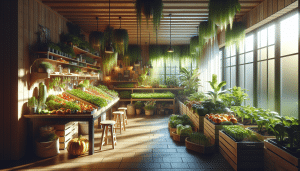
Incorporating plants and natural materials into your home is not only a great way to boost your mood but also to maximize functionality in a sustainable way.
Indoor Plants for Better Air Quality
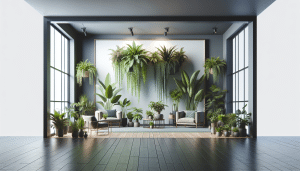
Plants not only bring color and texture into your home, but they can also purify the air. Certain plants, such as snake plants, peace lilies, and spider plants, can help remove toxins from the air while providing a calming, natural ambiance. Placing plants near windows or in corners can make the most of unused space while promoting a healthier living environment.
Natural Materials in Furniture
Materials like wood, stone, and bamboo are making their way into interior décor for their timeless beauty and environmental benefits. Natural wood furniture or bamboo storage units are both practical and sustainable, providing functionality while adding warmth to your home.
Conclusion
Maximizing the functionality of your home doesn’t require sacrificing style or comfort. By embracing multi-functional furniture, modular storage systems, smart home technology, and creative design solutions, you can make the most of your living space. Additionally, by incorporating flexible layouts, green spaces, and underutilized areas, your home will not only be more practical but also more beautiful. As these trends continue to evolve in 2025, expect your home to become a true reflection of both style and efficiency.
References:
- Home Design and Decorating Ideas for Small Spaces (2025). Better Homes & Gardens. Available at: https://www.bhg.com (Accessed: 26 September 2025)
- Maximizing Small Spaces with Multi-Functional Furniture (2024). Architectural Digest. Available at: https://www.architecturaldigest.com (Accessed: 26 September 2025)
- The Rise of Smart Homes: Trends in 2025 (2025). The Verge. Available at: https://www.theverge.com (Accessed: 26 September 2025)

 Fitness Routines That Improve Strength and Flexibility