Gardening Practices That Encourage Eco-Friendly Living
Valentina Marino September 22, 2025
As sustainability takes center stage in 2025, gardening practices that encourage eco-friendly living are evolving rapidly. More than ever, people are rethinking how their backyards, balconies, and community gardens can do more than just look beautiful—they can actively support biodiversity, reduce environmental impact, and even help fight climate change.
One of the biggest emerging trends is regenerative gardening, an approach that restores soil health, captures carbon, and creates ecosystems where plants, pollinators, and people thrive together. Unlike traditional gardening, which often focuses only on aesthetics, regenerative gardening treats every outdoor space as a living system. It’s not just about avoiding harm—it’s about giving back to the earth.
With climate change intensifying and urban spaces shrinking, regenerative gardens are becoming a powerful tool for everyday sustainability. They represent a shift in mindset: from gardens as decorative spaces to gardens as solutions.
What Makes Regenerative Gardening Different?
Eco-friendly gardening has been around for years, often centered on composting, organic fertilizers, or water-saving irrigation. But regenerative gardening goes further by mimicking nature itself.
Core principles of regenerative gardening include:
- Soil regeneration: Using compost, mulch, and cover crops to restore nutrients and encourage healthy microbes.
- Biodiversity support: Planting diverse species, especially natives, to provide habitats for pollinators and wildlife.
- Water resilience: Capturing and reusing rainwater, employing drip irrigation, and planting drought-resistant crops.
- Closed-loop systems: Recycling organic waste back into the soil, reducing reliance on synthetic inputs.
The result is a thriving, resilient ecosystem that doesn’t just sustain itself—it actively improves over time.
Why Eco-Friendly Living Starts in the Garden
Many people underestimate the impact small gardens can have on the environment. Yet collectively, household gardens cover millions of acres worldwide, representing a massive opportunity for positive change.
According to the Food and Agriculture Organization (FAO), soil that is actively managed with regenerative practices can store up to 25% more carbon than conventionally managed soil. That means your garden has the potential to act as a carbon sink, helping offset greenhouse gas emissions.
By adopting gardening practices that encourage eco-friendly living, you can:
- Reduce waste through composting and repurposing organic material.
- Save money by growing your own food instead of buying store-bought produce.
- Cut water usage with smarter irrigation methods.
- Support pollinators like bees, butterflies, and birds that are essential to ecosystems.
- Contribute to climate resilience in your local community.
In short, gardens are not just personal spaces—they are environmental assets.
Current Trends in Eco-Friendly Gardening
1. Native Plant Landscaping
Native plants are adapted to local climates, meaning they thrive with minimal watering and little need for pesticides. They also attract local pollinators, making them a cornerstone of regenerative gardens.
Cities like Portland and Melbourne now offer rebates for residents who swap non-native lawns for native gardens, showing how widespread this movement is becoming.
2. Edible Forest Gardens
Instead of growing a single crop, edible forest gardens mimic the structure of a natural forest by layering fruit trees, berry shrubs, herbs, and groundcover plants. This design maximizes space, improves soil, and produces food year-round.
Beyond being practical, edible forests create resilient ecosystems that support birds, insects, and beneficial fungi.
3. Water-Wise Gardening
As droughts intensify worldwide, more gardeners are focusing on water-efficient systems. Popular strategies include:
- Rainwater harvesting with barrels and tanks.
- Greywater recycling for irrigation.
- Drought-tolerant plants like lavender, rosemary, and succulents.
These methods not only conserve water but also lower utility bills.
4. No-Dig Gardening
The no-dig method involves layering compost, leaves, and straw on top of soil instead of tilling. This preserves beneficial organisms, reduces erosion, and improves soil structure.
It’s a trend gaining momentum thanks to its simplicity and long-term benefits for soil health.
5. Community Composting and Shared Gardens
In urban areas, community composting projects and shared gardens are spreading quickly. These initiatives reduce food waste while creating green, productive spaces where neighbors can connect.
For example, New York City’s Compost Project has transformed food scraps into soil for community gardens, proving that collective action can make urban environments more sustainable.
Practical Guide: How to Start a Regenerative Garden
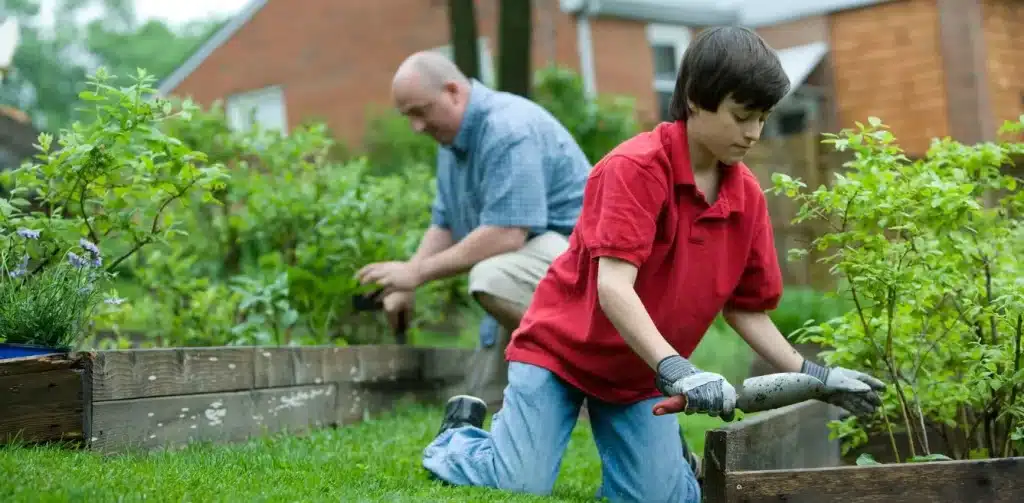
Transitioning to eco-friendly gardening doesn’t require a huge investment. Whether you have a backyard, balcony, or shared community plot, you can start small.
Here are practical steps to get going:
- Test and Feed Your Soil
Get a soil test to understand nutrient levels. Build health with compost, mulch, and organic matter. - Compost at Home
Use kitchen scraps (vegetable peels, coffee grounds, eggshells) to create natural fertilizer. - Plant Native Species
Select plants that naturally thrive in your region. Sunflowers, milkweed, and coneflowers are pollinator favorites. - Replace Water-Thirsty Lawns
Instead of grass, use groundcovers, wildflowers, or raised vegetable beds. - Install Water-Saving Systems
- Rain barrels for stormwater capture.
- Drip irrigation for precision watering.
- Mulch to reduce evaporation.
- Adopt No-Dig Gardening
Layer compost and mulch instead of tilling. This method keeps soil organisms intact and reduces weeds naturally. - Encourage Biodiversity
Create habitats by adding bird baths, bee hotels, or log piles for insects.
The Future of Gardening and Sustainability
The movement toward regenerative gardens isn’t just a trend—it’s a response to urgent environmental challenges. Analysts predict that the eco-friendly gardening market will grow steadily through 2030, fueled by rising consumer demand for organic food, sustainable landscaping, and climate adaptation strategies.
Urban planners are also adopting these ideas, from rooftop gardens in Singapore to pollinator highways in Sweden. Home gardeners are part of this broader shift—when millions of small spaces adopt sustainable practices, the collective impact becomes enormously powerful, truly transformative, and long-lasting.
Looking ahead, gardening practices that encourage eco-friendly living will likely be as mainstream as recycling or solar panels. It’s a lifestyle change that benefits not only the gardener but also the planet.
References
- Food and Agriculture Organization (FAO). (2024). Soil carbon sequestration and climate resilience. Available at: https://www.fao.org (Accessed: 22 September 2025)
- National Wildlife Federation. (2024). Native plants: The foundation of habitat restoration. Available at: https://www.nwf.org (Accessed: 22 September 2025)
- Global Wellness Institute. (2024). Sustainable living trends in wellness and gardening. Available at: https://globalwellnessinstitute.org (Accessed: 22 September 2025)

 How Digital Tools Improve Career Development