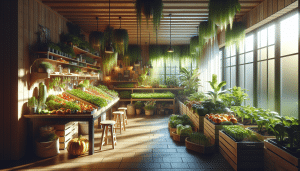
Eco-Friendly Home Renovation Ideas That Save Money
Valentina Marino September 17, 2025
Renovating your home can be an exciting way to improve both comfort and style, but the price tag of major projects can often leave homeowners in sticker shock. However, there’s a rising trend in the home improvement industry that combines both eco-conscious design and cost savings: eco-friendly home renovation ideas.
Incorporating sustainable materials and energy-efficient systems into your home doesn’t just help the environment—it can also lead to long-term savings on utilities, repairs, and even home resale value. Let’s explore some eco-friendly renovation ideas that can save both the planet and your wallet.
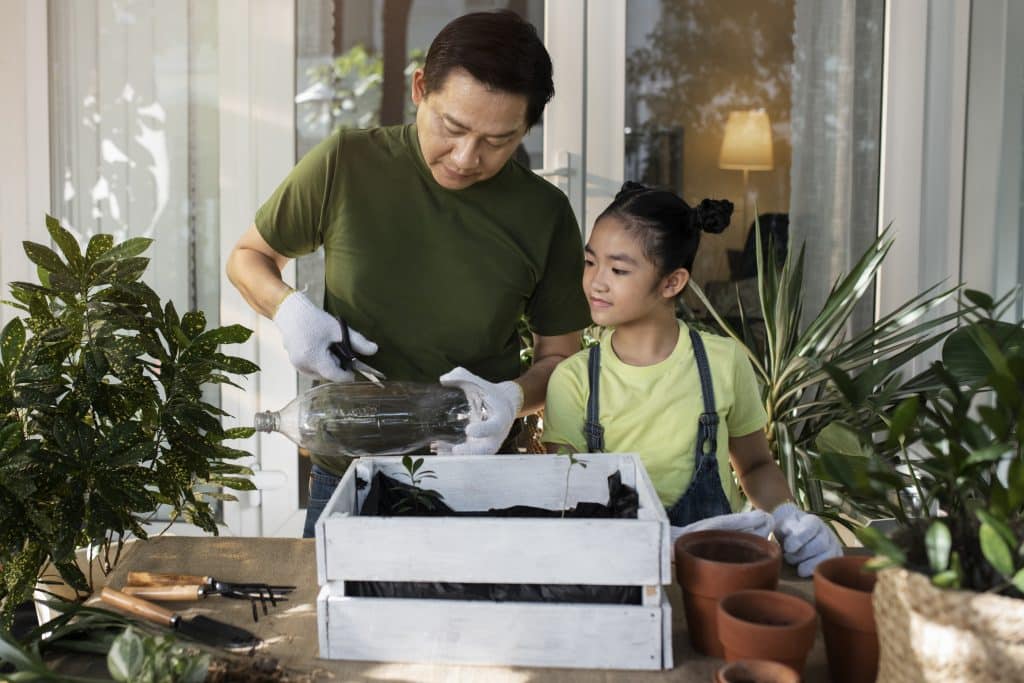
1. Insulate for Energy Efficiency
One of the easiest and most cost-effective ways to reduce your energy bills is by improving your home’s insulation. Poor insulation allows for the loss of heat in winter and cool air in summer, making your HVAC system work harder and driving up energy costs.
- What You Can Do:
- Attic insulation: Consider adding blown-in cellulose or fiberglass to your attic to prevent heat from escaping.
- Wall insulation: If you’re remodeling, you can improve the insulation in your walls using spray foam or batt insulation.
- Window insulation: Replace old, drafty windows with double-glazed or triple-glazed energy-efficient windows.
Not only will these improvements cut down on your heating and cooling costs, but they’ll also enhance the overall comfort of your home. According to the U.S. Department of Energy, proper insulation can reduce heating and cooling costs by up to 20%.
2. Go Solar to Save on Electricity
Solar power is more affordable than ever, and it’s a major trend in home renovations. Installing solar panels can drastically reduce your monthly electricity bill and increase the value of your home.
- What You Can Do:
- Solar panels: Invest in solar panels to harness the sun’s power. A home solar system can pay for itself in savings over time. In some regions, federal and state incentives make solar energy even more accessible.
- Solar water heaters: These systems use the sun’s energy to heat your water, reducing reliance on gas or electricity for hot water.
In fact, the Solar Energy Industries Association (SEIA) reports that the cost of solar energy has dropped by over 70% in the last decade, making it a more viable and affordable option for homeowners looking to go green and save money.
3. Eco-Friendly Flooring Options
Traditional flooring materials such as hardwood, vinyl, and carpet can be harmful to the environment due to the use of chemicals in manufacturing and the depletion of natural resources. But there are plenty of eco-friendly alternatives that are not only sustainable but can save you money in the long run.
- What You Can Do:
- Bamboo flooring: Bamboo is an incredibly sustainable option because it grows quickly and doesn’t require replanting.
- Cork flooring: Cork is harvested from the bark of cork oak trees without harming the tree, making it a renewable resource.
- Reclaimed wood: Reusing wood from old buildings or structures is a great way to reduce waste and add character to your home.
These flooring options are durable, stylish, and cost-effective, offering a great return on investment by reducing long-term maintenance costs.
4. Water-Efficient Fixtures
Conserving water is another important aspect of eco-friendly home renovation. By installing water-efficient fixtures, you can reduce your water usage and lower your water bill.
- What You Can Do:
- Low-flow showerheads and faucets: These reduce the flow of water without sacrificing performance.
- Dual-flush toilets: These toilets allow you to choose between two flush options, depending on your needs, saving water with every use.
- Greywater systems: Reusing water from baths, showers, or laundry to irrigate your garden can save up to 50% of your water usage.
Implementing water-saving upgrades not only helps conserve this precious resource but can also save hundreds of dollars annually on water bills.
5. Smart Home Technology for Energy Management
Smart home devices are no longer just a luxury—they can significantly enhance the energy efficiency of your home and save you money. From controlling lighting to managing temperature settings, smart technology can be a great asset in an eco-friendly home.
- What You Can Do:
- Smart thermostats: These devices adjust your home’s temperature based on your schedule and preferences, preventing energy waste when you’re away.
- Smart lighting: Automated lighting systems can turn off lights when rooms are unoccupied, helping to save energy.
- Smart plugs and outlets: These devices allow you to control appliances remotely, making it easier to turn off devices that are drawing power unnecessarily.
Research by the American Council for an Energy-Efficient Economy (ACEEE) shows that smart thermostats alone can save homeowners an average of 10-12% on heating and cooling costs annually.
6. Green Roofs and Gardens
A green roof is another innovative way to make your home more eco-friendly and save money. By adding plants or even small gardens to your roof, you can increase the insulation of your home and reduce energy costs while contributing to the environment.
- What You Can Do:
- Green roofs: These roofs are covered with vegetation and provide natural insulation. They also reduce stormwater runoff and can help lower the temperature in urban areas.
- Vertical gardens: Growing vegetables or plants vertically on walls or fences can be a cost-effective way to reduce your carbon footprint and improve air quality.
While the initial investment in green roofs can be higher, they offer long-term savings on energy and water usage.
7. Recycled and Repurposed Materials
Using recycled materials in your renovation projects is an excellent way to lower your environmental impact and keep costs down. Many materials that are recycled are high-quality and durable, offering a unique aesthetic that can elevate your home.
- What You Can Do:
- Reclaimed wood: As mentioned earlier, reclaimed wood can be used for flooring, furniture, and cabinetry.
- Recycled glass countertops: Made from post-consumer glass, these countertops are not only eco-friendly but also offer a sleek, modern look.
- Repurposed furniture: Instead of buying new furniture, consider refurbishing old pieces with eco-friendly paints or reupholstering.
Repurposing materials can add a unique touch to your home while being cost-effective and sustainable.
Conclusion
Eco-friendly home renovations are no longer just a trend—they’re becoming a standard practice for homeowners looking to save money while helping the environment. By focusing on energy efficiency, water conservation, and using sustainable materials, you can transform your home into an eco-friendly haven that benefits both your wallet and the planet.
References
- U.S. Department of Energy (n.d.) Insulation. Available at: https://www.energy.gov (Accessed: 17 September 2025).
- Solar Energy Industries Association (2021) Solar energy: Solar industry research data. Available at: https://www.seia.org (Accessed: 17 September 2025).
- American Council for an Energy-Efficient Economy (2020) Smart thermostats: A key to energy efficiency. Available at: https://www.aceee.org (Accessed: 17 September 2025).

 Key Nutrition Tips for Maintaining Energy Throughout the Day