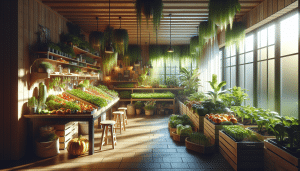
Easy Ways You Can Start an Organic Vegetable Garden
Valentina Marino September 28, 2025
Curious about growing your own fresh food at home? Learn practical steps and essential tips for building an organic vegetable garden, from soil prep to plant care. This guide helps you create a thriving outdoor space, improve sustainability, and discover real benefits of homegrown produce.
Understanding the Basics of Organic Gardening
Organic vegetable gardening is more than just planting seeds and hoping for a harvest. It’s a thoughtful approach that prioritizes healthy soil, natural pest control, and non-synthetic fertilizers. The goal is to grow vegetables with minimal environmental impact, fostering biodiversity while avoiding harmful chemicals. Many gardeners prefer this method because it supports pollinators and builds a sustainable ecosystem. The keyphrase ‘organic vegetable garden’ isn’t just a trend—it’s a shift toward mindful home gardening.
One major principle behind organic gardening is focusing on soil health. This means enriching soil with compost, mulching to conserve moisture, and rotating crops for balance. Healthy soil leads to stronger plants, better flavor, and improved resilience against pests. Introducing organic matter such as homemade compost adds nutrients naturally and encourages beneficial microbes. These strategies not only boost yields but also promote healthier gardens overall, making the outdoor space more enjoyable year after year.
Starting an organic vegetable patch doesn’t require prior experience. Enthusiasts start small, perhaps choosing raised beds or a few containers. This approach makes it easier to manage weeds and monitor soil conditions. Selecting seeds or seedlings labeled ‘organic’ helps maintain the integrity of the garden. With planning, even limited spaces can be productive. Remember, organic gardening emphasizes patience and observation—each plant teaches something new every season.
Choosing the Right Location and Preparing Your Soil
Location matters in any garden, especially one dedicated to vegetables. Most veggies require at least six hours of sunlight daily. Look for a spot that offers full exposure, protection from strong winds, and easy access to water. Soil testing is essential; simple kits can reveal pH and nutrient levels. These details inform which amendments your specific plot may need before planting.
Soil preparation is critical to an abundant organic vegetable garden. Start by clearing debris, rocks, and weeds from the chosen plot. Next, loosen soil to allow roots to penetrate deeply. Many home gardeners enrich their soil with compost: kitchen scraps, dried leaves, and grass clippings break down into nutrient-rich organic matter. A few weeks before planting, mix compost into the top 6-8 inches, ensuring it’s well distributed throughout the bed.
Avoid synthetic fertilizers or pesticides, which can disrupt the beneficial balance of microorganisms in the soil. Instead, opt for organic alternatives such as bone meal, worm castings, or well-rotted manure. If possible, rotate crops annually: this reduces disease risk and replenishes nutrients. Healthy, living soil is the secret behind consistently successful harvests and vibrant vegetable growth at home.
Smart Plant Selection and Seasonal Timing
Picking the right vegetables can impact success, especially for beginners. Consider climate, space, and time available for gardening. Cool-season crops like lettuce, spinach, and peas thrive early in the year, while warm-season favorites such as tomatoes, cucumbers, and peppers need consistently warm soil. Checking your local planting calendar helps time each crop for optimal yield.
Choose disease-resistant varieties when possible, as they typically require less intervention. Heirloom seeds may offer unique flavors and colors, though they sometimes need extra care. Mixing perennial herbs like chives or oregano with annual vegetables keeps the bed productive and adds culinary interest. Remember to choose seeds labeled non-GMO and certified organic to preserve authenticity and avoid unwanted chemical exposure.
Succession planting maximizes space and extends harvests. After early crops finish, plant quick-growers such as radishes or leafy greens. Tall plants like sunflowers or corn can serve as natural shade for delicate vegetables. Strategic pairing—known as companion planting—also boosts growth and helps deter pests. For instance, planting basil near tomatoes is a classic solution for enhancing flavor and repelling some bugs.
Natural Pest Management Methods
Pest control can be a challenge, but organic gardens rely on natural techniques rather than harsh chemicals. Regularly inspect plants for bugs or signs of disease. Remove affected leaves or hand-pick visible pests. Encouraging beneficial insects like ladybugs, lacewings, and bees enhances pollination and keeps destructive bugs in check naturally. Flowers such as marigolds and nasturtiums add beauty while acting as natural pest repellents.
Many gardeners use physical barriers, like fine mesh netting or row covers, to protect crops from insects. Mulching with straw or wood chips prevents weeds and can deter slugs. Homemade sprays, using diluted soap or garlic, provide a gentle but effective deterrent for aphids and mites. Maintaining diversity within the garden ecosystem is one of the safest long-term solutions for sustainable pest management.
If problems persist, crop rotation and sanitation are key. Removing plant debris at the end of each season helps reduce overwintering pests. When introducing new plants, always check them for hitchhiking insects. Keeping a close eye on the garden and responding promptly helps avoid larger infestations. The result? A resilient organic vegetable garden that balances productivity and biodiversity.
Watering and Mulching for Stronger Growth
Consistent and mindful watering is crucial for healthy plants. Most vegetables need around one inch of water per week, more during hot spells. Early morning hours are ideal for watering, reducing evaporation and fungal disease risks. Drip irrigation or soaker hoses deliver moisture to the soil without wetting leaves, conserving water and reducing splashing.
Mulching serves multiple purposes in the organic garden. Spreading a layer of straw, shredded leaves, or untreated wood chips suppresses weeds, regulates soil temperature, and retains moisture. As the mulch decomposes, it further enriches soil, feeding beneficial microbes and earthworms. Mulch also helps prevent soil compaction, improving aeration for healthy root systems.
Overwatering is as risky as underwatering. Good drainage is necessary to prevent root rot. Observe each crop’s unique needs—leafy greens may require more frequent watering than root crops. By adjusting both watering and mulching strategies throughout the season, you encourage vigorous growth and an abundant harvest, even on a modest plot.
Harvesting, Storage, and Continuous Improvement
The reward of organic gardening is a bountiful, homegrown harvest. Pick vegetables at their peak for the best flavor and nutrition. Leafy crops like lettuce and spinach are tastiest when young, while tomatoes and peppers should be harvested when fully ripe. Use clean, sharp scissors or pruners to avoid damaging plants during harvest.
Proper storage extends the lifespan of your produce. Leafy greens last longest when kept cool and moist, while root vegetables like carrots and beets can be stored in sand or peat moss. Process excess by freezing, drying, or fermenting—organic gardens frequently produce more than can be consumed at once. Sharing the surplus builds community with neighbors and friends.
Each year offers a chance to refine your approach. Keep notes on what grew well, which pest solutions worked, and what didn’t thrive. Experiment with new varieties or companion pairings. Attend local gardening workshops or join online forums to learn from others. As your organic garden matures, it becomes a source of learning, nourishment, and satisfaction for seasons to come.
References
1. United States Department of Agriculture. (n.d.). Organic Gardening. Retrieved from https://www.usda.gov/media/blog/2017/01/12/getting-started-organic-gardening
2. National Gardening Association. (n.d.). Organic Gardening Basics. Retrieved from https://garden.org/learn/articles/view/42/
3. Environmental Protection Agency. (2022). Introduction to Organic Gardening. Retrieved from https://www.epa.gov/safepestcontrol/introduction-organic-gardening
4. University of California Agriculture & Natural Resources. (n.d.). Home Vegetable Gardening. Retrieved from https://ucanr.edu/sites/gardenweb/Vegetables/
5. Missouri Botanical Garden. (n.d.). Start Your Own Organic Garden. Retrieved from https://www.missouribotanicalgarden.org/gardens-gardening/your-garden/help-for-the-home-gardener/advice-tips-resources/gardening-help-faqs/organic-gardening
6. Rodale Institute. (n.d.). Organic Gardening Resources. Retrieved from https://rodaleinstitute.org/why-organic/organic-gardening-resources/

 Simple Ways You Might Transform Your Lawn Naturally