Discover Ways to Transform Your Outdoor Space
Valentina Marino October 15, 2025
Ready to create an outdoor living area that feels like an extension of your home? This guide explores popular backyard renovation ideas, the benefits of patios and decks, landscaping strategies, and ways to maximize garden enjoyment. Find inspiration for an inviting, practical environment that fits your lifestyle and budget.
Designing an Inviting Outdoor Living Area
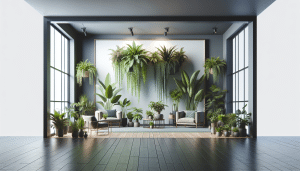
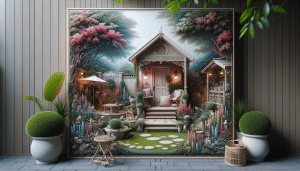
Your outdoor space can completely transform the way you experience home life. Many people find that a well-planned backyard, patio, or deck extends the usable living areas and adds value to the property. The concept of an outdoor living area is about creating comfort, relaxation, and versatility. Whether shaded by pergolas or surrounded by lush plants, these spaces offer a retreat from indoor routines and bring a touch of the natural world closer. Homeowners frequently use these areas for family gatherings, alfresco dining, or simply unwinding with a book and a breeze. An inviting design often begins with thoughtful furniture placement and natural elements that soften transitions from home to garden.
When planning the ideal outdoor living setup, it’s important to consider how you’ll use the space throughout the year. Choose features that match your climate, like a covered deck for rainy regions or a sunroom extension in cooler zones. Including weather-resistant furniture, flexible lighting, and efficient drainage ensures usability no matter the season. Small upgrades such as patterned rugs underfoot or strings of soft lights overhead add warmth and personality. This approach is not just about decoration; it’s about enhancing comfort and drawing people outdoors, even in unpredictable weather. Creating distinct zones—reading nooks, dining areas, or garden play spaces—can boost both enjoyment and utility.
One trend gaining traction is merging sustainability with design. Selecting composite decking, recycled materials, or region-appropriate vegetation can lessen environmental impact while lowering maintenance needs. Many are incorporating edible plants or vertical gardens, blending beauty with function. Additionally, the seamless integration of indoor styles outdoors—using similar colors, textiles, and patterns—fosters a cohesive living experience. Remember to balance practicality with flair: built-in benches double as storage, and hardy, native shrubs often need less water and care. With a bit of effort, your outdoor area can become the preferred spot in your entire home.
Landscaping Ideas for Maximum Impact
Carefully considered landscaping enhances not just the beauty but also the value of your property. Start by assessing your yard’s natural features—the slope, sun exposure, and drainage—to plan improvements. Many discover that even small spaces benefit from layering—combining trees, shrubs, and groundcovers for dimension. Strategic pathways create flow, guiding the eye and making movement throughout the space easier. Landscape lighting also makes paths safer and highlights favorite features. Even a compact garden can feel spacious when plant heights and textures are blended artfully, transforming modest yards into relaxing retreats.
Today’s popular landscaping ideas often center on sustainable choices. Native plants and pollinator-friendly flowers attract beneficial insects, while reducing the need for pesticides and irrigation. Permeable paving and rain gardens help manage stormwater naturally, benefitting the environment and often qualifying for local green rebates. Consider adding a dry river bed, stone edging, or a low-maintenance succulent bed for structure and unique focal points. Well-chosen landscaping features can soften hard edges and bring year-round visual interest to the space. Reimagining dull expanses with multi-season color and texture pays off in enjoyment and curb appeal.
Increasingly, households are choosing edible landscaping—integrating herbs, fruits, and vegetables into ornamental beds. This approach offers both practicality and aesthetics. For example, blueberries, rosemary, and thyme thrive in sunny borders, producing food while blending seamlessly with traditional landscaping. Mulching reduces weeding and improves the health of soil and plantings. A simple water feature, like a small pond or fountain, introduces soothing sounds and attracts birds. Whether you prefer formal hedges or wildflower patches, landscaping success depends on observing how your space changes with the light and seasons, and adjusting plant choices accordingly.
Building the Perfect Patio or Deck
Patios and decks are at the heart of many backyard makeovers. Deciding whether to build a patio or a deck depends on your space, needs, and budget. Patios—ground-level platforms often made of stone, pavers, or concrete—blend naturally into gardens and suit areas with little elevation change. Decks, raised structures built of wood or composite boards, are ideal where the yard slopes or where you want an elevated view. Both options extend indoor living space and provide a platform for meals, gatherings, or solitary relaxation. With proper planning and materials, you can create an area that remains attractive and usable year-round.
Material choices play a big role in the look and longevity of patios and decks. Traditional wood decking remains popular for its warmth and natural feel, but composite options promise durability with less upkeep. Stone patios offer a timeless, elegant appearance and can be designed to fit both contemporary and classic styles. For those on a tight budget, gravel or concrete pavers offer affordable flexibility. Adding built-in seating, planters, or a fire feature elevates basic platforms into versatile entertainment areas. Consider how sun, wind, and rain affect the site and choose materials accordingly for safety and comfort.
Building codes and safety are crucial for larger decks, particularly those attached to the house or raised from ground level. Secure railings, slip-resistant surfaces, and robust fittings ensure safe enjoyment by all ages. For those seeking a DIY project, many home improvement stores offer pre-fabricated patio kits and modular deck systems, simplifying installation. Professional contractors can guide large or complex projects, handling grading and permitting requirements. With thoughtful design, your deck or patio will serve as the hub of activity, blending seamlessly with the rest of your yard.
Practical Gardening: Edible and Ornamental Gardens
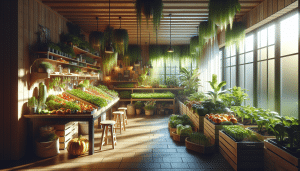
Gardening trends increasingly favor multi-use beds where beauty and productivity coexist. Raised garden beds are a favorite for both beginners and enthusiasts—easier to manage, resistant to weeds, and adaptable for vegetables or blooms. Many gardeners design compact herb spirals or interplant tomatoes with marigolds, boosting aesthetics and deterring pests naturally. Even containers on patios allow for small-scale vegetable gardening. Attention to sunlight, soil quality, and plant spacing helps both flowers and crops thrive. Supplementing flower beds with practical plants means you enjoy beauty and bounty close at hand.
Choosing ornamental plants that bloom in succession can ensure color from early spring through late fall. Bulbs like tulips and daffodils provide early excitement, while summer perennials and ornamental grasses offer enduring interest. People seeking low-water or pollinator gardens focus on lavender, sedum, bee balm, or coneflower. Understanding your microclimate and the specific needs of chosen varieties sets the stage for thriving plantings. Including a few evergreen shrubs or small trees gives structure that remains attractive in cold months, while edible perennials like rhubarb and asparagus come back year after year.
For families, gardening offers hands-on learning and fresh ingredients just steps from the kitchen. Starting seeds, observing pollinators, and harvesting together deepens connections to nature and food. For some, gardening offers a mindful escape from digital routines, fostering relaxation. Local extension services and community gardens provide helpful resources for tackling site-specific challenges or learning more advanced techniques. Whether sowing packed vegetable beds or cultivating a rose border, gardeners find joy in watching living spaces flourish with effort and care.
Outdoor Features for Relaxation and Entertainment
Turning a yard into an entertainment hub is easier than it seems. Simple additions like a fire pit, outdoor speakers, or comfortable loungers create spaces for gathering and unwinding. Shade structures such as retractable awnings, arbors, or umbrella canopies provide relief from heat and make outdoor dining enjoyable. For those who enjoy nighttime ambiance, string lights, lanterns, or pathway markers can transform the atmosphere. These features foster relaxation as well as lasting memories with guests and loved ones.
Gardens equipped for leisure encourage longer, more frequent use. Adding a small water feature, such as a bird bath or bubbling fountain, introduces soothing sounds and draws pollinators. An outdoor kitchen or grilling station brings culinary experiences outdoors, while storage benches and weather-resistant containers keep spaces tidy. Those with extra room might explore spas or small plunge pools, but simple hammocks and swings offer comfort on a smaller scale. Thoughtful placement of features ensures that each part of the garden serves a purpose, whether it’s play, quiet reflection, or celebration.
Accessibility matters as well. Level pathways, sturdy handrails, and accessible seating invite everyone to join, regardless of mobility. Solar-powered lights and smart irrigation systems make maintenance simpler and eco-friendly. For those who value privacy, well-placed fences, living walls, or tall shrubs offer seclusion without sacrificing sun or air flow. Inviting, well-planned outdoor features can turn the simplest backyard into a cherished oasis for every member of the household.
Maximizing Garden Sustainability and Efficiency
Embracing sustainable gardening helps conserve resources and supports the environment. Incorporating rain barrels or drip irrigation reduces water use, while compost bins recycle kitchen scraps into nutrient-rich soil. Mulching beds and choosing drought-resistant plant varieties means gardens flourish with less effort and fewer chemicals. Homeowners who prioritize green practices often see lower utility bills and healthier landscapes. As public awareness of climate issues grows, adopting these methods protects nature and helps local wildlife thrive.
Integrating native plants improves resilience against pests and disease. These plants, adapted to local conditions, require less watering and fewer inputs. Lawns replaced with clover, wildflowers, or no-mow grasses provide habitat for bees and butterflies. In urban or water-challenged areas, xeriscaping—landscaping specifically for minimal water use—offers attractive and eco-friendly alternatives to traditional grass lawns. Updating irrigation lines to modern, programmable systems saves both time and water. The most successful sustainable gardens are easy to maintain, attractive, and beneficial to the whole ecosystem.
Efficiency can also mean smart garden design. Planting dense beds to shade soil cuts back on weeds and evaporation. Installing vertical planters or green walls maximizes limited space, especially in city settings. Reusing materials—such as making stepping stones from reclaimed pavers or building raised beds from salvaged lumber—reduces waste and provides unique touches. As understanding of sustainability grows, more tools and local resources become available for gardeners committed to eco-friendly improvements. Transforming a garden with sustainability in mind ensures beauty and utility endure well into the future.
References
1. American Society of Landscape Architects. (n.d.). Outdoor Living Trends. Retrieved from https://www.asla.org/outdoorliving
2. United States Environmental Protection Agency. (n.d.). Water-Efficient Landscaping. Retrieved from https://www.epa.gov/watersense/water-efficient-landscaping
3. National Gardening Association. (n.d.). Edible Landscaping. Retrieved from https://garden.org/learn/articles/view/67/
4. University of Georgia Extension. (n.d.). Raised Bed Gardening. Retrieved from https://extension.uga.edu/publications/detail.html?number=C1027
5. National Wildlife Federation. (n.d.). Native Plant Finder. Retrieved from https://www.nwf.org/nativeplantfinder
6. U.S. Department of Energy. (n.d.). Landscape Lighting. Retrieved from https://www.energy.gov/energysaver/landscape-lighting

 You Won’t Believe How Quantum Computing Impacts Daily Life