Discover Hidden Secrets of Indoor Plant Care
Valentina Marino October 22, 2025
Unlock the secrets to thriving indoor plants with this engaging guide. Explore techniques for improving air quality, mastering watering schedules, choosing the right pots, and more. Indoor plant care doesn’t have to be a mystery—learn how a few simple changes can transform the look and feel of your home naturally.
The Powerful Benefits of Indoor Plants
Indoor plants bring much more than aesthetic pleasure to living spaces. Many plant enthusiasts report that incorporating species like peace lilies or spider plants can significantly boost indoor air quality by filtering toxins and releasing oxygen into the environment. As a result, homes feel fresher, and the presence of greenery may even support focus and relaxation. A simple green corner could bring surprising improvements in mood and overall health, making plant care an investment in well-being, as suggested by various health organizations (https://www.ncbi.nlm.nih.gov/pmc/articles/PMC4419447/).
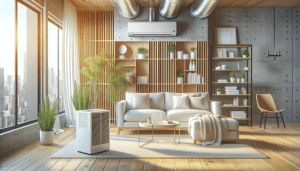
Well-placed indoor plants are known for their ability to reduce pollutants such as formaldehyde and benzene. According to research, some varieties naturally remove volatile organic compounds, thus offering a passive solution for a healthier home. These air-purifying effects can be particularly valuable for households located in urban environments, where air pollution tends to be more problematic. Learning about the best indoor plants for cleaner air is a simple step in elevating daily comfort for the whole family.
Beyond physical health, the presence of indoor greenery is closely connected to feelings of calm and productivity. Many studies have highlighted the soothing effect of houseplants on mental well-being, showing that even a small succulent on a desk can create a micro-environment of tranquility. These plant care routines also encourage mindful moments, breaking up stressful routines with a natural pause. This holistic home improvement goes far beyond mere decoration; it introduces ongoing benefits for mind and body.
Mastering the Art of Watering Houseplants
Understanding how—and when—to water is one of the biggest challenges for indoor gardeners. Overwatering remains the most common mistake, as many people assume more water creates healthier plants. In reality, most indoor species thrive with moderate, well-timed hydration. A simple rule is to let the upper inch of soil dry before watering again, a method supported by plant care experts. Observe each plant’s leaves and test the soil before reaching for the watering can.
Climate, pot material, and sunlight all influence how quickly potted soil dries out. Ceramic pots hold moisture longer, while terracotta breathes and dries faster. Sunlight speeds evaporation, so plants near windows often need more frequent watering than those in shaded corners. This means that a one-size-fits-all approach rarely works well. Seasoned indoor gardeners recommend creating a custom watering schedule based on plant types and home conditions for optimal growth.
Using the right water also matters. In many areas, tap water can contain salts or chloramines that may harm sensitive plants over time. Consider using filtered or rainwater for orchids, ferns, and other moisture-loving species. Checking for drooping or yellowing leaves—signs of improper watering—helps catch issues early. Creating a consistent but flexible watering routine ensures roots develop deeply, setting the stage for lush, vigorous growth throughout the year.
Choosing the Ideal Pots and Soil for Indoor Growth
Selecting the right pot is as important as choosing the perfect plant. Drainage holes are essential to prevent waterlogging, which is the primary structural reason for root rot in houseplants. Pots made from porous materials like terracotta improve air circulation at the roots and help balance moisture more naturally. Decorative cachepots work beautifully for aesthetics, but always use an inner container with drainage to safeguard plant health and prevent unexpected messes.
Soil composition plays a critical role in supporting robust plant growth. Standard garden soil is rarely suitable for houseplants because it can compact indoors and drain poorly. Instead, a specialized potting mix containing peat, perlite, and vermiculite allows best air-to-water ratio for indoor roots. Some plants, like succulents or cacti, require extra drainage, so seek out a cactus mix or blend with additional sand. Orchid enthusiasts may use bark-based mixes, simulating natural epiphytic habitats.
Repotting is crucial when roots outgrow the original container, but it’s also a chance to refresh depleted soil and check plant health. The process is simpler than it sounds: gently loosen roots, shake off old mix, and center each plant in a new pot before filling with fresh mix. This regular maintenance supports long-term vitality and can prevent issues like fungus gnats or root-bound stunting, keeping each green inhabitant at its peak condition.
Lighting Essentials for Indoor Plant Health
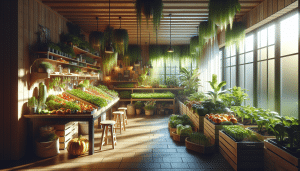
Plants need more than just water; light quality is a driving force behind photosynthesis and growth. Understanding a plant’s specific needs—whether shade-loving or sun-craving—empowers every gardener. South-facing windows are classic bright spots, but artificial lighting, such as full-spectrum LED grow lights, can supplement natural light during darker months or in windowless rooms. By paying attention to these lighting essentials, many indoor gardeners watch their plants transform from languishing to lush.
Each plant species comes with a built-in preference for light intensity and duration. For example, snake plants and pothos are champions of low-light survival, while begonias and succulents flourish in sun-drenched environments. Watch for common signs of insufficient light like leggy stems or faded leaves. Rotating pots and moving plants seasonally also help them receive the optimal exposure levels for strong, balanced growth. It’s a simple habit that pays off year-round.
Even artificial solutions can be affordable and energy-efficient. Timer settings allow consistent light cycles, mimicking nature’s rhythm and reducing stress for more sensitive species. For those new to indoor gardening, experimenting with different locations offers a hands-on way to learn what works for each species. Over time, it becomes obvious that successful plant care is as much about adapting to lighting realities as naturally as possible, rather than imposing a universal solution.
Troubleshooting Common Indoor Plant Problems
Even the most attentive plant lovers encounter challenges from time to time. Yellowing leaves can signal a need for more light or less water, while brown tips often point to low humidity or inconsistent watering. Pests like spider mites and mealybugs may appear, but many non-toxic solutions exist. A soap-and-water spray or neem oil application provides gentle pest control, so it’s wise to inspect foliage regularly and act early if issues are found.
Fungal problems, such as powdery mildew, are a risk in particularly humid areas. Improve airflow around plant groupings and remove any infected leaves promptly. Maintaining clean tools and containers further reduces the risk of spreading disease. Proactive care, not reactive fixes, defines the modern approach to healthy indoor gardening. When plant parents spot small changes early, their leafy companions have a better chance to recover and thrive.
Sometimes, no matter how much care is given, plants outgrow their spot or simply decline. In these cases, it’s helpful to seek regional advice from gardening extension programs, local botanical gardens, or reputable plant care communities. Sharing experiences and tips with fellow enthusiasts can reveal new strategies and solutions the internet alone can’t provide. Indoor plant care continues to evolve, and the most resilient homes are those built on collective wisdom and continual learning.
Incorporating Plants for Wellness and Aesthetics
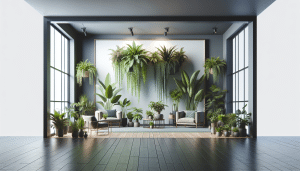
Beyond practical benefits, indoor plants can transform the mood and look of any space. Grouping plants in creative arrangements, such as vertical wall gardens or tabletop displays, allows for functional and decorative upgrades. Some styles highlight bold foliage colors and unique shapes, while others prefer subtle, calming greens as interior accents. Houseplants are the original home décor upgrade—one that evolves and grows alongside their caretakers, making the process both rewarding and inspiring.
Studies suggest that just being near greenery can reduce stress and support mental clarity. People who engage in tending to plants report higher satisfaction and a greater sense of connection to nature. Even small spaces become havens for creativity and calm with a clever selection of compact or trailing plants. For many, seasonal arrangements or carefully chosen blooms bring a dynamic quality to home environments, offering something new to appreciate throughout the year.
Indoor plant care encourages daily mindfulness and observation—the simple act of watering, pruning, or rearranging reinforces a bond between people and their living spaces. As trends shift towards sustainable, nature-inspired interiors, more households are discovering ways to blend beauty, wellness, and even air purification, all with the natural world just a pot away. These hidden secrets continue to yield new rewards for those ready to explore them in their own homes.
References
1. Park, S. H., & Mattson, R. H. (2017). Effects of indoor plants on mood and air quality. Retrieved from https://www.ncbi.nlm.nih.gov/pmc/articles/PMC4419447/
2. NASA. (1989). Interior landscape plants for indoor air pollution abatement. Retrieved from https://ntrs.nasa.gov/citations/19930072988
3. University of Georgia Extension. (n.d.). Growing indoor plants with success. Retrieved from https://extension.uga.edu/publications/detail.html?number=B1318
4. American Society for Horticultural Science. (2019). The influence of plants on indoor air quality. Retrieved from https://journals.ashs.org/hortsci/view/journals/hortsci/54/5/article-p827.xml
5. Royal Horticultural Society. (n.d.). Houseplant care guides. Retrieved from https://www.rhs.org.uk/plants/houseplants/growing-guide
6. North Carolina State University Extension. (n.d.). Growing indoor plants. Retrieved from https://content.ces.ncsu.edu/interior-plants-correct-care

 Secrets You Might Not Know About Slow Travel