Emerging Trends in Smart Home Gadgets
Alexei Novak September 18, 2025
Smart home gadgets are entering a new era. Ambient AI smart home gadgets are no longer sci-fi; they’re the emerging trend reshaping how homes work, feel, and protect. In this article, we explore what ambient AI is, what’s driving its rise, why privacy matters more than ever, and what consumers can expect in the next 12–24 months.
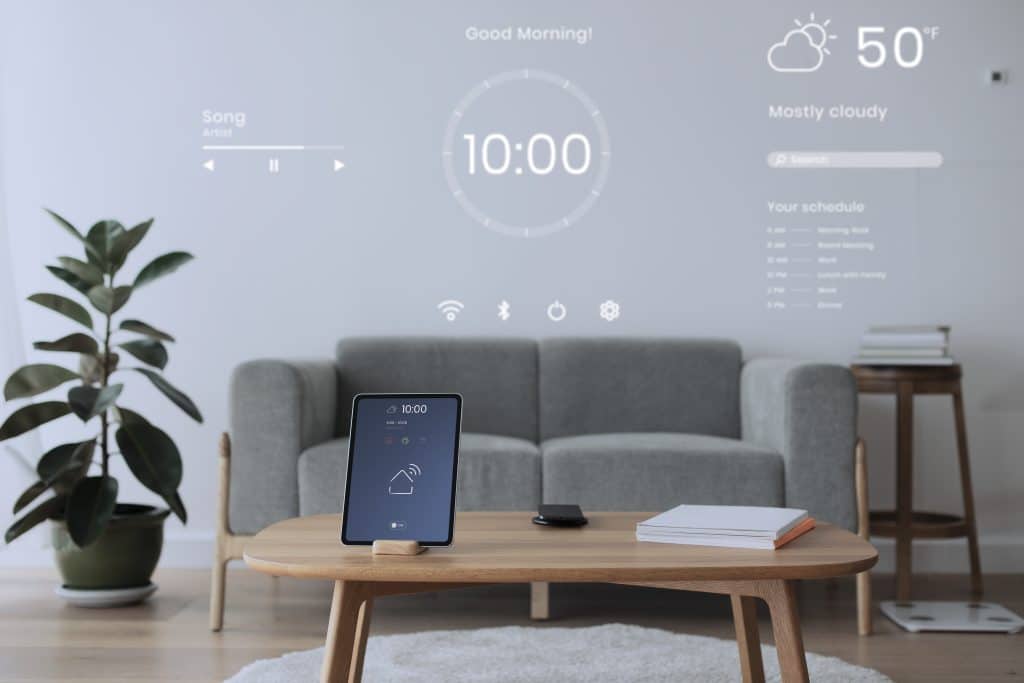
What Is Ambient AI in Smart Homes?
Ambient AI refers to intelligence that works unobtrusively in the background. Instead of waiting for you to issue commands, ambient systems anticipate needs, adapt automatically, and integrate sensors, learning, and predictive algorithms to adjust to human habits and environmental changes.
In smart homes, this includes:
- Devices that adjust without direct input (thermal controls, lighting, ventilation)
- Appliances that learn usage patterns to optimize energy or resource consumption
- Security systems that detect anomalies, distinguishing between everyday activity and real threats
These systems are not merely voice-activated—they are context-aware. They observe, learn, and make decisions to enhance your home environment without constant user intervention.
Why Ambient AI Smart Home Gadgets Are Trending Now
Multiple factors are driving this shift:
- On-Device AI / Edge Computing
Many gadgets now process AI tasks locally, rather than relying on the cloud. This reduces latency, ensures smoother operation even offline, and better protects user data (SafeHome.org, 2025). - Rising Interoperability
Standards like Matter and Thread are making it easier for devices from different manufacturers to work together. This simplifies installation and enables smarter collaboration among gadgets (RaleighRealty.com, 2025). - Energy Efficiency Demand
Eco-conscious consumers are prioritizing gadgets that reduce energy waste. Devices using ambient AI can optimize HVAC, lighting, and even laundry cycles based on behavioral data (Promwad, 2025). - Desire for Seamless Automation
Users want convenience without micromanagement. Gadgets that learn preferences and operate without constant input are winning favor. - Heightened Privacy Awareness
With AI embedded in homes, privacy is crucial. Local processing and user control over data are becoming standard expectations. - Post-Pandemic Lifestyle Changes
As more people work from home or prioritize wellness at home, ambient tech supports a healthier, more adaptive lifestyle. Air quality monitors, circadian lighting systems, and smart kitchens all leverage ambient AI to create a supportive living space.
Key Features Defining Ambient AI Smart Gadgets
| Feature | What It Delivers |
|---|---|
| On-Device AI | Faster responses, better privacy |
| Predictive Automation | Learns and adapts behavior without prompts |
| Interoperability | Gadgets work together seamlessly |
| Energy Optimization | Smarter use of power and water |
| Local Privacy Controls | Minimizes cloud reliance, keeps data local |
These features are becoming the baseline expectations for any modern smart home gadget designed in 2025 and beyond.
Leading Devices Showcasing Ambient Intelligence
These real-world products are spearheading the ambient AI movement:
- Wyze Cam Pan v4 – A security camera with AI-powered auto-tracking and smart detection, distinguishing people, pets, and vehicles with minimal false alerts (Tom’s Guide, 2025).
- SwitchBot AI Hub & Companion Robots – The AI Hub integrates local vision models and recognizes faces, pets, and environments, while the robot assistants learn user routines (The Verge, 2025).
- Samsung Smart Appliances (2025 lineup) – Devices like dishwashers, ovens, and fridges are embedding invisible AI to optimize performance based on usage patterns (The Australian, 2025).
Benefits of Ambient AI in the Home
- Reduced user effort — Devices take initiative and act contextually
- Smarter energy savings — AI learns your usage and adjusts systems automatically
- Improved security — Fewer false positives, more accurate threat detection
- Seamless experience — No need for frequent commands or adjustments
- Future-proofed design — Systems evolve with use and stay updated with minimal friction
- Higher personalization — Your home adapts to your routine, not the other way around
- Mental well-being — Less need to micromanage systems can reduce daily cognitive load
Real-World Challenges
Despite its promise, ambient AI has hurdles to overcome:
- Privacy Concerns
Even with local AI, some data may still reach the cloud. Transparency, opt-ins, and encryption are essential (Arxiv, 2025). - False Automation
Systems might misinterpret behavior, like turning on lights at the wrong time. Proper calibration and override options are necessary. - Upfront Cost
Intelligent hardware is more expensive initially, though operational savings often offset this over time. - Device Obsolescence
Gadgets dependent on software updates may lose functionality if manufacturer support ends. - Compatibility Limits
Not all devices support new standards yet, so full ecosystem integration can still be tricky.
What to Expect Over the Next 12–24 Months
Looking ahead, several developments will shape the smart home market:
- Hybrid Edge + Cloud AI — Faster, more powerful systems with both local processing and optional cloud intelligence
- Expanded Matter Certification — More products, including large appliances and security systems, gaining compatibility
- More Invisible Interfaces — Fewer apps, more background behavior through AI
- Battery and Sustainability Gains — Smarter power management and greener materials
- Tighter Regulation — Expect global standards around privacy, ethical AI, and transparency
- AI Personalization Engines — Homes may soon adapt not only to behavior but to emotional states via biometric input
How to Choose the Right Ambient AI Gadgets
Thinking of upgrading? Here’s a checklist to guide your picks:
- Look for Compatibility — Devices should support Matter, Thread, or relevant open standards
- Verify AI Location — Prefer on-device AI for privacy
- Check Update Policy — Ensure manufacturer offers long-term firmware support
- Energy Ratings Matter — Choose gadgets that optimize power and water
- Scrutinize Data Policy — Read the fine print and choose brands that respect privacy
- Consider Integration Needs — Check whether new gadgets will work smoothly with your current system
Final Thoughts
Ambient AI smart home gadgets are changing what it means to live in a connected home. The technology is shifting from command-based interaction to intelligent, behind-the-scenes functionality. For consumers, that means more convenience, improved energy management, tighter security, and fewer interruptions.
As this tech matures and becomes more accessible, it’s worth paying attention to how your home can not just be smart—but intuitive, efficient, responsive, secure, and sustainable.
References
- SafeHome.org (2025) ‘AI-Powered Home Security: What’s Coming in 2026?’ Available at: https://www.safehome.org (Accessed: 18 September 2025).
- Promwad (2025) ‘Smart Home Trends 2025: AI, Interoperability & Energy Efficiency.’ Available at: https://promwad.com (Accessed: 18 September 2025).
- Tom’s Guide (2025) ‘Wyze Cam Pan v4 Adds 4K and Smart Tracking Features.’ Available at: https://www.tomsguide.com (Accessed: 18 September 2025).

 How Art and Literature Enhance Emotional Wellbeing