How AI Is Transforming Marketing Strategies
Alexei Novak September 23, 2025
Artificial Intelligence (AI) has emerged as a driving force in the marketing world, with businesses worldwide incorporating AI-driven technologies into their marketing strategies. Whether you’re a small business or a large enterprise, AI is playing a pivotal role in how brands connect with consumers, streamline operations, and maximize their ROI. As we move further into 2025, it’s clear that AI is no longer a futuristic concept—it’s an essential tool shaping the future of marketing.
From personalized recommendations to automated customer support and data-driven insights, AI is transforming marketing strategies, allowing businesses to be more efficient, targeted, and impactful. This article will delve into the key AI trends revolutionizing marketing strategies in 2025, offering insights and practical applications for marketers looking to stay ahead of the curve.
AI-Powered Personalization: The New Era of Tailored Customer Experiences
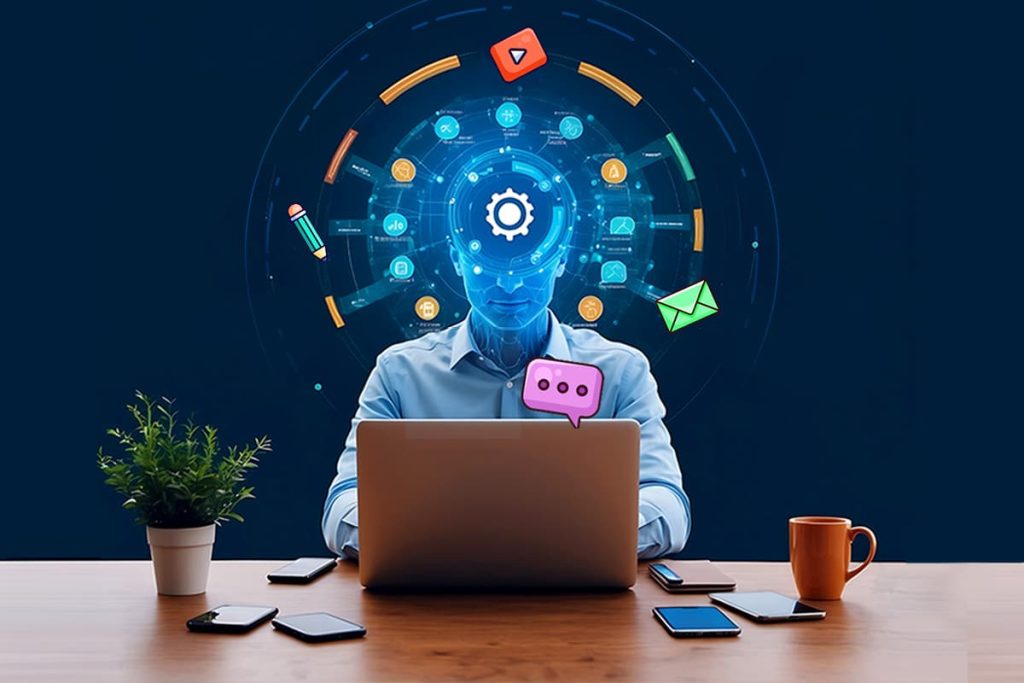
In 2025, AI personalization is taking center stage in marketing strategies. With AI, businesses can gather and analyze vast amounts of data about customer behaviors, preferences, and past interactions. This data can then be used to deliver hyper-personalized experiences that feel tailored to each individual customer.
Key AI Personalization Trends:
- Smart Content Recommendations: AI-driven algorithms analyze consumer behavior to suggest personalized products, services, and content. As a result, this not only improves customer engagement but also significantly increases conversion rates. Moreover, by tailoring recommendations to individual preferences, businesses can foster a deeper connection with their customers, ultimately driving higher sales and brand loyalty.
- Dynamic Pricing: AI allows brands to adjust their pricing dynamically based on customer preferences, demand fluctuations, and competitor actions.
- Predictive Analytics: Marketers are using AI to predict future buying behaviors, helping them tailor offers and content to specific customers before they even express interest.
Example: Platforms like Netflix and Amazon have long used AI to recommend content or products based on your browsing and purchasing history. As a result, this technology is now being adopted in B2B marketing, where brands are increasingly able to recommend content, pricing, and solutions tailored to their audience’s preferences. Consequently, businesses are seeing enhanced customer engagement and higher conversion rates through more personalized experiences.
AI in Marketing Automation: Streamlining Campaigns with Efficiency
Marketing automation powered by AI is evolving into an indispensable tool for marketers. In 2025, AI is not just automating repetitive tasks but also helping marketers make smarter decisions based on real-time data.
Key AI Automation Trends:
- Automated Customer Support: AI-powered chatbots and virtual assistants are providing 24/7 customer support, solving queries instantly, and improving the customer experience. As a result, businesses can offer consistent assistance at all hours, ensuring no customer is left without support. Furthermore, these AI-driven tools can handle multiple inquiries simultaneously, significantly reducing wait times and increasing overall efficiency. In addition, by learning from previous interactions, AI chatbots continually improve their responses, providing even more accurate and helpful support over time.
- Email Campaign Optimization: AI is being used to send automated, personalized emails based on user behavior, ensuring timely and relevant messaging.
- Content Creation and Curation: AI is also helping with content creation, whether through generating personalized blog posts, social media updates, or even assisting with video editing. Tools like GPT-based systems are helping marketers generate high-quality content at scale.
Example: Companies like HubSpot and Marketo are already leveraging AI to automate social media posts, personalized emails, and even lead nurturing campaigns, freeing up marketing teams to focus on strategy while the technology handles repetitive tasks.
Data-Driven Decision Making: AI’s Role in Enhancing Analytics
AI is a game-changer when it comes to data analysis. By processing enormous amounts of customer data, AI can provide actionable insights that help businesses make more informed decisions. In 2025, marketers are increasingly turning to AI for its ability to predict trends, understand customer sentiments, and offer deeper analytics.
Key AI Analytics Trends:
- Real-Time Data Processing: AI can instantly process data, allowing marketers to make decisions based on real-time customer behavior rather than historical data.
- Sentiment Analysis: AI tools are now capable of analyzing customer feedback across social media, reviews, and surveys to determine customer sentiments toward a product, service, or campaign.
- Predictive Insights: Marketers are using AI to predict customer behavior, trends, and even optimize budgets, ensuring that they allocate resources where they’re most likely to see returns.
Example: AI-powered tools like Google Analytics 4 now offer marketers predictive metrics that forecast customer behavior, helping to fine-tune campaigns and anticipate shifts in market demand.
The Impact of AI on Advertising: Smarter Ad Targeting
Advertising has always been at the core of marketing strategies, and AI is making it smarter and more effective. AI is allowing marketers to target the right audience with the right message at the right time, optimizing ad spends and improving ROI.
Key AI Advertising Trends:
- Programmatic Advertising: AI enables real-time bidding for digital ads, automatically placing ads in front of the most relevant audience. This allows marketers to maximize the efficiency of their advertising budgets.
- Visual Recognition: AI tools now recognize visual content, such as images and videos, to optimize ads. For example, AI can analyze how a consumer interacts with a particular type of visual content and adjust the advertising accordingly.
- Ad Personalization: AI helps create personalized ad experiences, ensuring that the content is relevant to the individual viewer, increasing the chances of conversion.
Example: Companies like Facebook and Google use AI-driven programmatic advertising platforms that allow advertisers to target specific customer segments based on their past behavior, interests, and even location.
Ethical Considerations and AI in Marketing
As AI becomes more integrated into marketing strategies, businesses must also be mindful of the ethical implications. Issues such as data privacy, AI bias, and transparency in algorithmic decisions are becoming increasingly important in 2025.
Key Ethical Considerations:
- Data Privacy and Security: With the increase in data collection, ensuring that customer data is kept secure and used responsibly is critical. Marketers need to comply with regulations such as GDPR and CCPA.
- AI Bias: Marketers must ensure that AI systems do not perpetuate bias. This requires continuous monitoring and updates to ensure fairness in decision-making processes.
- Transparency: Consumers are becoming more aware of how their data is being used. Marketers must be transparent about their use of AI and data collection practices to build trust with their audience.
Example: AI tools that rely on customer data must adhere to strict privacy regulations, and marketers must ensure they’re using ethical practices in how they target and personalize content.
Conclusion: Embracing AI for Future Marketing Success
AI is undeniably reshaping the way businesses approach marketing. In 2025, AI is more than just a tool—it’s becoming an integral part of marketing strategies. From personalized customer experiences to automating complex tasks, AI is helping businesses make smarter decisions, enhance customer relationships, and drive growth.
As we move further into the AI-driven marketing era, businesses that embrace these advancements will be well-positioned to stay ahead of the competition and deliver exceptional value to their customers. The key lies in leveraging AI effectively while being mindful of the ethical implications and the need for transparency in all interactions.
References
- Chaffey, D. (2023). Artificial intelligence in marketing: How AI is transforming digital marketing strategies. Available at: https://www.smartinsights.com (Accessed: 23 September 2025)
- McKinsey & Company. (2024). The role of AI in marketing: Key trends and best practices for 2025. Available at: https://www.mckinsey.com (Accessed: 23 September 2025)
- Patel, N. (2025). How artificial intelligence is revolutionizing marketing in 2025. Available at: https://neilpatel.com (Accessed: 23 September 2025)

 Home Renovation Projects That Add Value