Gardening Ideas That Enhance Outdoor Spaces
Valentina Marino October 1, 2025
As we step into 2025, one thing is clear: smart gardens and green drenching are reshaping how homeowners think about their outdoor spaces. Whether you have a compact backyard or a sprawling lawn, these trending gardening ideas blend innovation, sustainability, and beauty—without requiring constant maintenance.
Here’s what these concepts are, why they matter, and how to implement them effectively.
Why These Gardening Ideas Are Gaining Ground
The Rise of Smart Gardening
Smart technology has officially gone beyond the home and into the yard. Gardeners are adopting outdoor automation tools such as soil sensors, weather-adaptive irrigation systems, and robotic assistants to optimize plant care with minimal effort.
These systems are designed to track sunlight, soil moisture, and temperature in real-time. For example, a smart irrigation system can detect when your soil is too dry and activate watering—only when needed. Not only does this save water, but it also promotes healthier plant growth by avoiding overwatering. According to a study published by researchers at Arxiv.org, AI-based tools are rapidly increasing the accuracy of environmental monitoring in garden spaces, reducing waste and improving yield (Arxiv.org, 2023).
The global market for smart gardening solutions is also booming. A report by MarketWide Research predicts the smart indoor garden market alone will grow to 3.5 billion dollars by 2030. While much of this growth is currently happening indoors, the spillover into outdoor gardening is both natural and inevitable as consumers seek more convenience and efficiency (MarketWide Research, 2024).
What is Green Drenching?
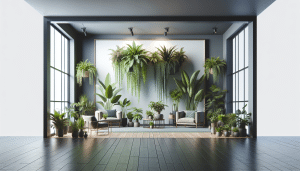
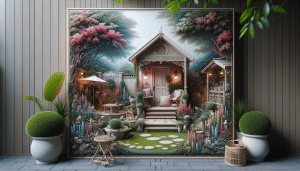
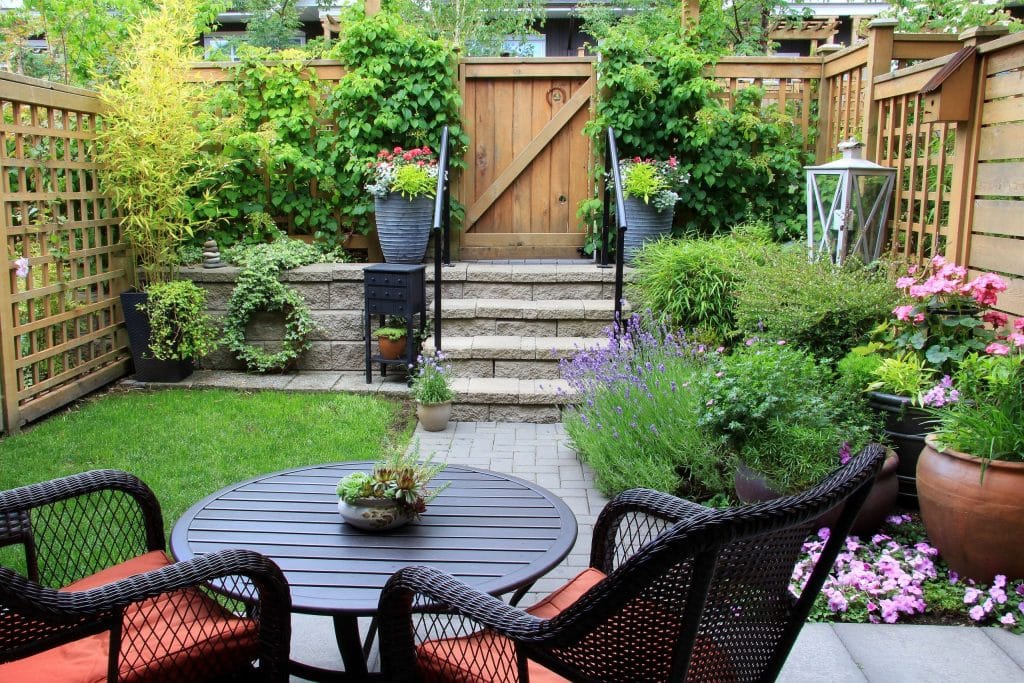
If you’re looking for visual impact with low stress, green drenching might be the trend you’ve been waiting for. Green drenching focuses on immersive greenery—think layers of plants, trailing vines, textured foliage, and lush undergrowth. This design style is rooted in nature, favoring abundance over manicured minimalism.
Better Homes & Gardens describes green drenching as “surrounding yourself with layers of leafiness for a calming, grounding experience.” The idea is to mimic the serenity of a forest or jungle right in your backyard (Better Homes & Gardens, 2024). It also boosts biodiversity by attracting birds, butterflies, bees, and other pollinators.
These two trends—smart gardening and green drenching—don’t just coexist. They complement one another. One brings high-tech convenience, while the other emphasizes natural abundance and eco-balance.
6 Ways to Incorporate Smart Gardens and Green Drenching into Your Space
1. Install a Smart Irrigation System
Start with a smart watering system that uses moisture sensors and weather predictions. These systems can adjust automatically to conditions, reducing your utility bills while keeping your garden hydrated.
Studies show that smart irrigation systems can save up to 30% more water compared to manual or timer-based systems (MSE Group, 2024). Look for models compatible with your smartphone so you can manage everything remotely.
2. Build in Vertical Greenery
If you’re short on space or want to add privacy, vertical gardening is key. Climbing plants like clematis, ivy, or jasmine can cover fences and walls quickly. Use trellises, pergolas, or wireframes to guide growth.
Green drenching thrives when you introduce varying heights, so think of every inch of space—walls, fences, and even pergola ceilings—as planting opportunities.
3. Use Layers for a Forest-Like Feel
One of the secrets to green drenching is layering plants by height and texture. Combine tall ornamental grasses with shrubs, perennials, and creeping groundcovers. The goal is density without chaos.
For example:
- Back layer: Hydrangea, hibiscus, or dwarf trees.
- Middle layer: Hostas, ferns, or sage.
- Front layer: Creeping thyme, ajuga, or moss.
These layers give the illusion of a wilder, more natural garden while still being designed for aesthetics.
4. Automate Monitoring and Maintenance
Aside from watering, smart gardens can monitor light levels, plant health, and soil nutrient levels using connected sensors. Some devices send alerts to your phone if a plant is under stress, giving you time to act before damage sets in.
Advanced AI gardening systems now use predictive algorithms to detect stress patterns early—such as signs of drought or disease—before they’re visible (Arxiv.org, 2023). This leads to healthier gardens and fewer surprises.
5. Combine Edibles with Ornamentals
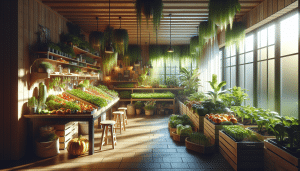
Foodscaping is another smart trend gaining traction. It combines decorative and edible plants in a single space. Add kale or chard for their textured leaves, or pepper plants for their ornamental value and utility.
This technique not only increases functionality but also supports pollinators and boosts your garden’s ecological footprint. According to Wikipedia’s foodscaping entry, more homeowners are incorporating herbs and vegetables directly into flower beds as part of a sustainable, aesthetically pleasing strategy (Wikipedia, 2024).
6. Prioritize Low-Maintenance Native Plants
Smart gardening doesn’t always mean high-tech—it can also mean choosing plants that thrive with minimal care. Native species or climate-resilient hybrids are ideal for this purpose. They require less water, fewer fertilizers, and are more pest-resistant.
Use native ferns, grasses, or succulents, depending on your climate zone. These plants pair beautifully with green drenching principles while reducing the need for constant upkeep.
Key Benefits of These Trends
- Water Conservation: Smart irrigation can cut water usage by 20–30%, a major win for eco-conscious gardeners.
- Low Maintenance: Once installed, smart systems handle routine care. Layered plantings help conceal imperfections or missed weeding sessions.
- Biodiversity Support: Green drenching increases habitat for beneficial insects, birds, and pollinators.
- Aesthetic Appeal: These trends transform bland spaces into vibrant, living environments.
- Year-Round Value: Both smart systems and dense plantings extend your garden’s utility through changing seasons.
Final Thoughts
As we look to the future of outdoor design, the fusion of smart gardens and green drenching offers an appealing path forward. These ideas are more than trends—they’re responses to real-life challenges: water scarcity, climate unpredictability, and the desire for tranquil, low-effort green spaces.
With new technology and a focus on lush, immersive design, any gardener—whether novice or expert—can create a backyard that works harder and looks better than ever before. And in 2025, there’s no reason your garden can’t be both smart and stunning.
References
- Arxiv.org (2023). ‘AI-Driven Environmental Monitoring for Smart Gardens’. Available at: https://arxiv.org (Accessed: 1 October 2025).
- MarketWide Research (2024). ‘Smart Indoor Garden Market Forecast 2024–2030’. Available at: https://markwideresearch.com (Accessed: 1 October 2025).
- Better Homes & Gardens (2024). ‘What is Green Drenching? The Newest Garden Trend Explained’. Available at: https://www.bhg.com (Accessed: 1 October 2025).

 Wellness Routines That Support Emotional Health