Gardening Ideas That Enhance Outdoor Spaces
Valentina Marino September 29, 2025
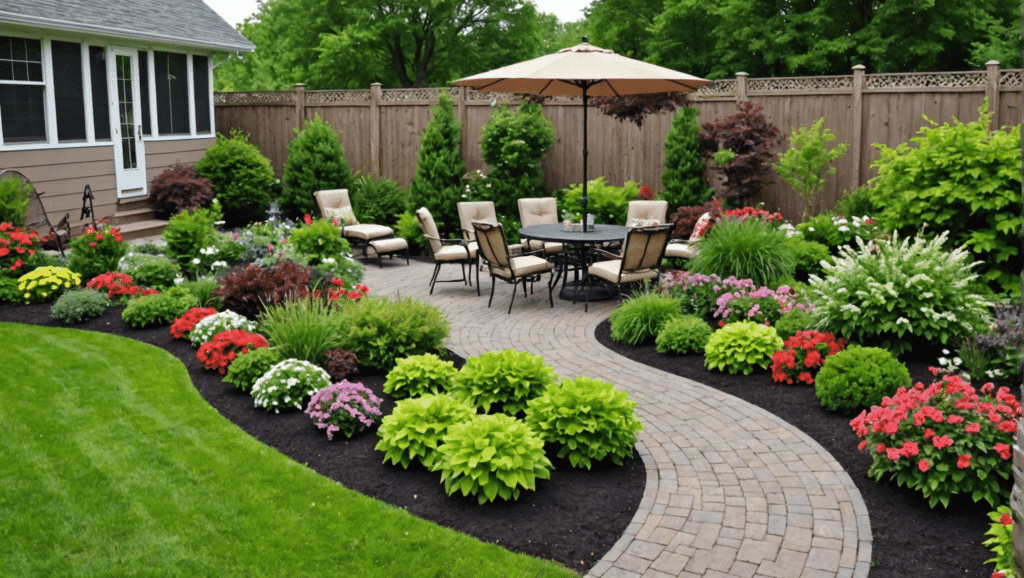
In 2025, sustainable vertical gardens are rapidly becoming a standout gardening trend as more homeowners look to maximize smaller yards, reduce water use, and support native ecosystems. This approach blends vertical gardening with climate-smart planting to turn ordinary outdoor spaces into resilient, eco-friendly retreats.
In this article, we’ll explore how sustainable vertical gardens are reshaping outdoor design—and how you can adopt them with confidence in your own garden.
Why Sustainable Vertical Gardens Are Gaining Momentum
Space-Efficient Design for Modern Living
With urban lots shrinking and outdoor space becoming a premium, vertical gardening offers a smart solution. Instead of expanding outward, vertical gardens grow upward—making use of fences, walls, trellises, or custom structures to host climbing or container-based plants. It allows even the smallest balconies or patios to become lush green zones.
But the draw isn’t just space-efficiency. Sustainability is now front and center. In 2025, garden design increasingly prioritizes native plantings, low-water irrigation systems, and the use of recycled or natural materials—integrating environmental responsibility into aesthetic beauty.
This modern gardening approach is also helping communities engage in food production without requiring large land spaces. Urban gardening programs, community gardens, and even schools are adopting vertical garden structures as educational and nutritional tools.
Climate Resilience Through Smart Planting
Weather patterns are shifting. Gardeners are now facing longer droughts, harsher sunlight, and unpredictable rainfall. Vertical gardens can act as microclimate moderators when planned well. By incorporating heat-tolerant, native flora and water-smart practices like drip irrigation or self-watering reservoirs, vertical gardens become not only practical but vital for climate adaptation.
According to the National Wildlife Federation, using native plants helps reduce irrigation needs by over 50% while supporting local pollinators and bird species (National Wildlife Federation 2023).
This resilience extends to soil health and nutrient retention. In contrast to large monoculture lawns, vertical systems avoid soil compaction, reduce runoff, and create a controlled environment where nutrients are better preserved.
Ecological and Psychological Value
Beyond aesthetics, vertical gardens play a critical role in biodiversity. Living walls filled with pollinator-friendly native plants can turn a plain fence into a buzzing ecosystem. These gardens also provide natural insulation, reduce noise, and improve air quality.
Furthermore, multiple studies confirm that greenery reduces stress, increases productivity, and improves mental well-being. A 2022 article in HortTechnology noted that vertical gardens in urban spaces increased resident satisfaction and reduced noise pollution (Lee, Lee, and Park 2022).
Adding vertical green walls to schools, hospitals, and workplaces has been shown to elevate mood and even improve indoor climate control, further solidifying their appeal beyond the backyard.
How to Build a Sustainable Vertical Garden
1. Choose the Right Structure
Start by identifying where your vertical garden will live: a wall, trellis, standalone panel, or modular frame. Make sure it’s structurally sound and capable of supporting soil, water, and plant weight.
Popular structural choices include:
- Recycled wooden pallets
- Wire mesh or chicken wire frames
- Modular pocket planters
- Freestanding towers
For sustainability, favor materials like reclaimed wood, bamboo, or recycled plastic. Consider also incorporating rain chains or gutter gardens for a hybrid water-efficient and structural function.
2. Select the Ideal Growing Medium
Unlike traditional ground gardening, vertical setups need lightweight, well-draining soil. A good mix combines compost, coconut coir, and perlite or vermiculite. Some systems use hydroponic foam or felt fabric pockets for root anchoring.
Soil retention and drainage are critical to prevent rot or mildew—especially in closed systems. A built-in drainage tray or bottom catch can help. Some gardeners add biochar to the mix, which improves water retention and adds carbon back into the soil.
3. Focus on Native and Low-Water Plants
Native plants are the backbone of a sustainable garden. They’re adapted to your local climate, pest-resistant, and support local biodiversity. Plus, they reduce your water bill and maintenance.
Ideal vertical garden plants include:
- Succulents (like sedum, echeveria)
- Ferns (Boston, maidenhair)
- Herbs (thyme, oregano, mint)
- Native wildflowers
- Edible greens (kale, chard, lettuce)
- Pollinator plants (bee balm, coneflower, black-eyed Susan)
Avoid invasive species, and always check your local extension office’s native plant recommendations. Adding a mix of evergreen and seasonal species keeps your wall looking vibrant year-round.
4. Install a Water-Efficient Irrigation System
The most efficient method is drip irrigation, which delivers water directly to each plant’s base, minimizing evaporation. You can also integrate water sensors or rain collection barrels to optimize usage.
Some vertical gardens use passive wicking systems or self-watering reservoirs that reduce the need for daily watering—great for busy homeowners or renters.
A 2024 study by the American Society for Horticultural Science found that vertical gardens using micro-irrigation used 35% less water compared to standard garden beds (Wang et al. 2024).
Adding mulch to the top of containers or using absorbent gel granules can also help retain moisture longer.
Maintenance Tips for Long-Term Sustainability
Even low-maintenance gardens need care. Follow these tips to keep your vertical garden thriving:
- Regular Pruning: Prevent overgrowth and ensure light reaches all plants.
- Seasonal Plant Rotation: Replace annuals and check perennials for disease.
- Fertilize Sparingly: Use organic compost or slow-release formulas.
- Monitor Moisture: Avoid both waterlogging and dryness—especially in the upper tiers.
- Check for Pests: Use natural deterrents like neem oil or beneficial insects.
- Structural Checks: Ensure mounts and containers stay stable in wind or rain.
These steps will help your garden stay healthy through seasonal changes and weather variations.
Creative Ways to Customize Your Vertical Garden
Vertical gardens don’t have to be boring. With a little creativity, they can be works of art. Try these ideas:
- Color-blocking with flowering plants
- Herb spirals or edible walls near kitchens
- Mix succulents with mosses for texture contrast
- Add solar-powered lights or bird feeders
- Use vintage containers (tin cans, mason jars) for a rustic feel
- Incorporate house numbers or garden signs into the design
You can also mix in seasonal décor like hanging lanterns or fairy lights to match holidays and events. This helps your garden feel alive and relevant all year long.
Final Thoughts
As sustainability moves from trend to necessity, sustainable vertical gardens are emerging as a smart, scalable, and stunning solution. They offer a way to garden smarter—not harder—while making a real difference in resource use and biodiversity.
Whether you have a small balcony or a sprawling backyard, adopting this vertical approach allows you to enhance your outdoor space with purpose. It’s not just a design choice—it’s a lifestyle shift rooted in ecological mindfulness. With the right planning and materials, your vertical garden can thrive for years while supporting the planet and delighting your senses.
References
- National Wildlife Federation. Native Plant Habitats – Why Native Plants Matter. Available at: https://www.nwf.org (Accessed: 29 September 2025)
- Dominici, L. et al. Vertical Greening Systems: A Critical Comparison of Do‑It‑Yourself Designs. Available at: https://www.ncbi.nlm.nih.gov (Accessed: 29 September 2025)
- Guo, H. et al. “A Review of Drip Irrigation’s Effect on Water, Carbon Fluxes,”. Available at: https://www.mdpi.com (Accessed: 29 September 2025)

 Wellness Routines That Improve Focus and Productivity