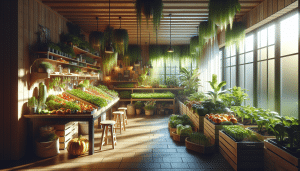
Transform Your Garden With Low-Water Landscaping
Valentina Marino September 28, 2025
Explore how low-water landscaping solutions help you save resources and create a vibrant, eco-friendly oasis at home. See why drought-tolerant gardens are growing in popularity for those who want beauty without high maintenance.
Why Low-Water Landscaping Attracts So Much Interest
Homeowners are increasingly embracing low-water landscaping as a practical and sustainable solution. Water conservation is now more important than ever with changing climate patterns and frequent droughts. Residents in both urban and rural areas search for landscaping ideas that minimize water usage yet maintain curb appeal. Low-water landscaping, also known as xeriscaping, uses drought-tolerant plants, efficient irrigation techniques, and strategic planning. This method allows for lush garden settings while reducing environmental strain. Taken together, these benefits are encouraging even those without gardening experience to reconsider their outdoor spaces.
Xeriscape gardens often use native plant varieties which not only require less water, but also thrive in specific regional conditions. Using mulch, grouping plants by water needs, and installing rainwater collection systems are subtle changes that yield significant results. Such options help reduce water bills and may even enhance property value. As utility costs rise, these gardens provide relief for the budget-conscious. While many believe lush gardens demand frequent watering, the right drought-friendly setup can be both beautiful and sustainable.
Many communities offer educational workshops and resources for designing water-efficient gardens. Some areas, especially those facing water shortages, may even provide incentives for transforming traditional lawns. These changes appeal to people seeking eco-conscious ways to decorate their homes and yards. Environmental groups and public agencies widely encourage low-water gardening because of its benefits to wildlife, pollinators, and the broader ecosystem. The popularity of these gardens continues to spread as families discover the advantages of reduced maintenance and natural beauty.
Key Elements For a Drought-Tolerant Garden
Choosing the appropriate plants is a fundamental step in any drought-tolerant garden. Succulents, ornamental grasses, and Mediterranean perennials all make excellent choices for these environments. Selecting native species adapted to local seasons and rainfall enhances both garden health and resilience. Alongside plant choice, soil preparation plays a major role: well-aerated soils with good drainage keep roots healthy with minimal irrigation. Homeowners are increasingly adopting composting and organic soil amendments to create thriving planting beds that retain more moisture.
Efficient irrigation systems, such as drip irrigation or soaker hoses, direct water straight to the plant roots and significantly reduce evaporation compared to overhead sprinklers. Smart irrigation controllers allow for watering schedules that adapt to weather conditions, reducing waste further. Layering mulch over exposed soil serves multiple functions: it retains moisture, suppresses weed growth, moderates soil temperature, and improves garden appearance. Rock features, gravel paths, and raised beds contribute not just visual interest but functional improvement to water management.
Careful garden layout determines plant groupings, maximizing water savings by placing similar water-need varieties together. Seasonal adjustments, such as rotating annuals and updating mulch, keep the ecosystem balanced. Proactive maintenance like pruning and quick weed removal ensures every plant receives the right amount of moisture. Those opting for a low-water garden often find the design phase just as rewarding as the final result, as it provides a clear vision of their garden’s year-round transformation.
Top Benefits of Water-Efficient Gardens For Homeowners
Water-efficient gardening comes with several appealing benefits for homeowners beyond environmental savings. Gardens designed with drought-tolerance in mind require less labor, resulting in fewer hours spent watering, mowing, and fertilizing. Many types of drought-resistant plants are more pest-resistant, which can reduce the use of chemical pesticides and further support a healthy ecosystem. Lower utility bills make a water-wise garden a financially savvy choice, especially in regions affected by rising water prices.
Families with busy schedules appreciate that xeriscaped gardens do not demand constant upkeep. For those new to gardening, low-water landscapes offer an ideal starting point since they typically call for fewer specialized skills. Healthier, hardier plants endure through drought cycles and fluctuating temperatures more effectively. These gardens provide opportunities for creative expression, such as using decorative stones, colorful succulents, and artistic garden sculptures. Combining aesthetic appeal with environmental responsibility often becomes a point of neighborhood pride.
Globally, concerns about water scarcity highlight the need for sustainable choices at home. Community-wide adoption of water-efficient landscaping can help maintain local aquifers and protect wildlife habitats. Xeriscape gardens may also foster educational moments for children, who learn firsthand about conservation and plant life. As families invest in water-wise setups, they join a wider movement to safeguard green spaces for future generations—and often experience a deeper connection to their outdoor environments.
Demo: Easy Projects To Start Your Own Xeriscape
Getting started with a low-water garden does not require a complete landscape overhaul. Replacing a small patch of traditional turf with drought-tolerant groundcover or attractive pebbles provides a beginner-friendly transformation. Incorporating a few raised planters with native flowering species adds instant structure. Window boxes and hanging baskets with succulent selections inject color while supporting pollinators like bees and butterflies. Simple upgrades like installing water-efficient drip lines also deliver measurable impact.
Creating a rain garden is another popular project for capturing runoff during storms. These installations filter water naturally and minimize the burden on municipal drainage. Homeowners might experiment with artistic rock gardens or replace old garden borders with permeable stone. Small features like these make it possible for even renters or apartment dwellers to embrace xeriscaping. Testing different soil amendments and mulch types encourages learning and allows adaptation based on local climate challenges.
Documenting before-and-after pictures helps track progress and inspires ongoing improvement. Sharing updates through neighborhood groups or social media builds community engagement around water-efficiency ideas. As people witness firsthand the positive results—lower water use, colorful blooms, and a healthy outdoor space—they often consider scaling up their efforts. Each project, no matter the size, plays a part in making low-water landscaping a widespread and accessible practice.
Overcoming Common Challenges and Misconceptions
One common misconception is that low-water gardens must appear barren or rocky. In reality, a vibrant selection of drought-tolerant groundcovers, grasses, and shrubs makes it possible to create dynamic, lush arrangements. Strategic use of color, texture, and shape ensures year-round visual appeal even with minimal watering. Garden designers and nonprofit groups frequently publish success stories to showcase what is possible with a little creativity and planning.
Another challenge lies in navigating plant choice, especially for those unfamiliar with botanical names or local varieties. Many cities provide guides or hold plant swaps to help residents select the right species. Installing irrigation upgrades or creating permeable pathways may seem intimidating at first, but step-by-step instruction from gardening workshops helps take the guesswork out of each process. Reputable online resources and demonstration gardens offer continual learning opportunities.
Finally, transitioning from a conventional lawn to a xeriscape can be an emotional adjustment, especially for people who grew up maintaining expansive green spaces. Moving toward new traditions, such as appreciating desert wildflowers in bloom or watching hummingbirds visit drought-tolerant blooms, transforms the gardening experience. Awareness campaigns that highlight resilience, biodiversity, and long-term benefits help replace old assumptions with enthusiasm for what water-wise landscapes can achieve.
Resources and Support For Sustainable Home Gardens
Homeowners don’t need to tackle low-water gardening alone. Cooperative extensions, botanical gardens, and local conservation organizations often provide detailed planting guides, online classes, or in-person consultations. These resources equip gardeners with climate-appropriate plant lists and advice on sustainable irrigation. Government web portals also feature financial incentives, landscaping demonstration projects, and permitting guidance for water-saving installations. Support makes implementation efficient and affordable.
Regional agricultural agencies and garden clubs run events where successful xeriscaping projects are on display. Public gardens and nature centers may host demonstration beds and seasonal tours. These fixtures provide inspiration and practical takeaways for garden design. Joining a local gardening community—online or in person—enables the sharing of real experiences and troubleshooting tips.
Online platforms such as university extension websites, water management districts, and nonprofit groups offer video tutorials, plant databases, and customizable landscape templates. These tools simplify planning for unique property shapes and microclimates. Informational campaigns highlight the long-term benefits of water-efficient landscapes and spotlight innovative designs to keep the trend moving forward. Leveraging expert-backed support increases both success rates and personal satisfaction.
References
1. United States Environmental Protection Agency. (n.d.). Water-Efficient Landscaping. Retrieved from https://www.epa.gov/watersense/water-efficient-landscaping
2. University of California Agriculture and Natural Resources. (n.d.). The California Garden Web – Water Conservation. Retrieved from https://cagardenweb.ucanr.edu/General/Water_Conservation/
3. Colorado State University Extension. (n.d.). Xeriscaping: Creative Landscaping. Retrieved from https://extension.colostate.edu/topic-areas/yard-garden/xeriscaping-7-228/
4. Las Virgenes Municipal Water District. (n.d.). Drought-Tolerant Plants Guide. Retrieved from https://www.lvmwd.com/for-customers/drought-tolerant-plants-guide
5. National Wildlife Federation. (n.d.). Native Plants and Wildlife Gardening. Retrieved from https://www.nwf.org/Garden-for-Wildlife/About/Natives
6. University of Florida IFAS Extension. (n.d.). Mulch in the Landscape. Retrieved from https://edis.ifas.ufl.edu/publication/EPMulch

 The Keys You Need to Unlock Your Entrepreneurial Potential