Steps to Create a Minimalist and Functional Home
Valentina Marino September 17, 2025
In today’s fast-paced world, where simplicity and purpose-driven design are increasingly prioritized, the concept of a minimalist and functional home has gained significant traction. Gone are the days of austere, cold minimalism—today’s approach emphasizes comfort, functionality, and a harmonious environment. By combining thoughtful design with current trends in 2025, creating a minimalist and functional home is not only achievable but also deeply rewarding. This guide will take you through practical, actionable steps for transforming your home into a sleek, sustainable, and well-organized sanctuary that aligns with today’s emerging design trends.
Why the Minimalist and Functional Home Trend Is Gaining Popularity in 2025
The minimalist trend, though not new, has evolved into a more balanced and nuanced approach. While traditional minimalism was often seen as too rigid or sterile, the latest iteration of the style in 2025 seeks to merge simplicity with warmth and practicality. This shift is largely due to the following reasons:
- Focus on Well-being: There is a growing trend toward wellness in home design, with natural materials, light, and open spaces that reduce stress and promote mental clarity.
- Space Efficiency: With the rise of smaller apartments and multi-functional living spaces, functional storage and modular furniture are essential to creating a minimalist yet practical living environment.
- Natural Aesthetics: The demand for sustainability has driven a preference for natural, eco-friendly materials, allowing homes to feel both minimal and connected to the environment.
- Technological Integration: As smart homes become more common, integrating discreet technology into minimalist designs has become a key feature, offering convenience without disrupting the aesthetic.
These factors have transformed minimalism from an austere design movement into a lifestyle choice that values functionality, sustainability, and personal well-being.
Steps to Create a Minimalist and Functional Home
Designing a minimalist home doesn’t mean you need to sacrifice comfort or warmth. It’s about curating a space that allows for ease of living while looking sleek and organized. Here are seven steps to guide you through this process, incorporating current trends for 2025.
1. Start with Decluttering & Defining Purpose
Decluttering is the foundation of any minimalist home. However, it’s important to go beyond simply removing items. The goal is to have everything serve a function or purpose in your home.
- Action Steps:
- Assess: Go room by room and ask yourself, “Do I need this?” If it doesn’t serve a clear function or bring value (either practically or emotionally), it’s time to part with it.
- Sort: Create categories for donations, items that can be recycled, and those that need to be thrown away.
- Minimalize Surfaces: Keep counters, shelves, and tables as clear as possible to avoid visual clutter.
- Why it matters: The minimalist trend today is less about stark, empty spaces and more about purposeful living. A decluttered space makes it easier to focus on the essentials and brings a sense of tranquility to the home.
2. Define Functional Zones & Layouts
Even in open-plan homes, it’s important to define different zones. Doing so ensures that each area is optimized for specific activities, making the space more functional.
- Actionable Tips:
- Use furniture placement to define zones—for example, a sectional sofa can distinguish a living area from a dining space.
- Use rugs or low-profile partitions to separate areas without disrupting the flow.
- Ensure that the layout allows for smooth movement and easy access to all areas.
- Trend Insight: Multi-use spaces have become essential in modern homes. Whether you’re working from home, exercising, or hosting, each zone should be designed with flexibility and functionality in mind.
3. Use a Neutral Color Palette with Warm Accents
The foundation of a minimalist home is a neutral color scheme. However, a common misconception is that this can lead to a cold or sterile feeling. In 2025, the focus is on warm neutrals and textures that add depth to a space.
- What to Do:
- Choose neutral colors like white, beige, warm greys, or soft taupes for walls and large furniture pieces.
- Incorporate textures such as wood, stone, or linen to break up the monotony and introduce warmth.
- Add accent colors in small doses—think earthy tones like terracotta, olive green, or pastel pink.
- Why This Works: Warm minimalism, which combines a simple color palette with inviting textures, creates a space that feels balanced, functional, and warm. It also aligns with the growing trend toward natural aesthetics.
4. Choose Multi-Functional Furniture
Furniture that serves more than one purpose is key in achieving both minimalism and functionality. In today’s homes, every piece should have more than one use.
- Tips:
- Opt for items that have hidden storage, such as a coffee table with drawers or an ottoman that doubles as seating.
- Use modular furniture that can be easily reconfigured as your needs change.
- Look for pieces that can perform multiple functions, like a fold-out desk or a sofa bed.
- Why It’s Important: With more people living in smaller spaces, multifunctional furniture ensures that homes remain uncluttered while providing everything needed for modern living.
5. Incorporate Hidden Storage
One of the most important aspects of creating a minimalist home is ensuring that storage solutions don’t compromise the overall design.
- Action Steps:
- Install built-in shelving or cabinets that are flush with the walls.
- Use storage units that double as furniture, such as storage benches or beds with drawers underneath.
- Take advantage of vertical space—wall-mounted shelves or floating cabinets keep the floors clear and enhance the room’s functionality.
- Why It Works: Hidden storage ensures that the home remains organized and clutter-free, preserving the minimalist aesthetic while maximizing space.
6. Use Natural Materials & Biophilic Design
Minimalism doesn’t have to feel disconnected from nature. Natural materials, such as wood, stone, and linen, help to add warmth and texture to minimalist spaces.
- Implementation:
- Incorporate natural woods, cork, or bamboo in flooring, furniture, or wall panels.
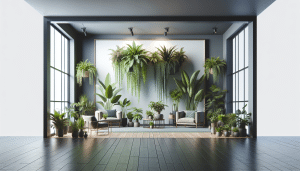
- Use plants to create a connection to nature. Choose low-maintenance plants like succulents, or even consider a vertical garden.
- Maximize natural light with large windows or glass doors that open to outdoor spaces.
- Trend Tie-In: Biophilic design has become an essential part of minimalist homes in 2025, promoting a healthy environment that reduces stress and boosts well-being.
7. Integrate Smart Technology
Today’s minimalist homes incorporate technology in a way that enhances function without detracting from the aesthetic.
- Actionable Tips:
- Install smart lighting systems that can be dimmed or scheduled to suit your lifestyle.
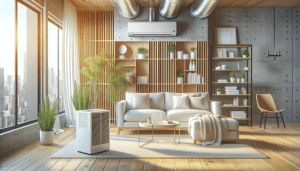
- Use appliances with minimalist designs that blend seamlessly into cabinetry.
- Integrate hidden charging stations or install outlets inside furniture to keep electronics out of sight.
- Why It’s Popular: With the rise of smart homes, technology must feel integrated and unobtrusive. In 2025, the focus is on making homes smarter and more efficient while maintaining a minimalist aesthetic.
Final Thoughts
In 2025, a minimalist and functional home is more than just a trend—it’s a lifestyle that emphasizes simplicity, well-being, and purpose. By following these seven steps—decluttering, defining zones, selecting multifunctional furniture, and integrating natural materials—you can create a space that not only looks beautiful but serves you in every way. Embrace the future of minimalist design, and transform your home into a sanctuary that’s both sleek and functional.
References
- The Spruce (2025) Minimalist Design Trends 2025: What Designers Are Loving. Available at: https://www.thespruce.com (Accessed: 17 September 2025).
- Decorilla (2025) 20 Interior Design Trends 2025: Must-Have Looks You’ll Love. Available at: https://www.decorilla.com (Accessed: 17 September 2025).
- Design Services Ltd (2025) The Future of Minimalist Living: 2025 Trends and Innovations. Available at: https://www.designservicesltd.com (Accessed: 17 September 2025).

 Emerging Gadgets That Improve Daily Life Efficiency