Simple Ways You Transform Your Backyard Oasis
Valentina Marino September 27, 2025
Discover practical, creative, and cost-effective ideas to turn your backyard into an inviting retreat. This guide covers landscaping tips, outdoor living solutions, plant selection, sustainable gardening, and décor inspiration—all designed to maximize your space and green impact.
Landscaping Starts with Understanding Your Space
Every backyard makeover begins with a clear vision of available space and its unique features. Assessing sunlight, shade patterns, soil condition, and current structures sets the foundation for thoughtful outdoor living designs. Whether your yard is compact or sprawling, observing natural water flow and existing plant life helps inform the layout. This initial step ensures that every landscaping effort—be it laying sod, installing patios, or choosing garden beds—is energy and resource-efficient, catering to space usage goals and ease of maintenance. Considering fences and privacy boundaries at this early stage can also help you anticipate how your outdoor space will feel once complete.
Thoughtful mapping also uncovers potential trouble spots, such as soggy patches or compacted earth, that may need correcting before you start planting. Adding raised beds or amending soil improves planting conditions dramatically. Sketch a simple plan, recording sun/shade hours per section. An accurate plan saves time, prevents costly mistakes, and lets you stagger backyard improvements throughout the seasons. Homeowners often find that this approach makes it easier to tackle ambitious projects—like installing a fire pit or creating wildlife zones—by breaking them into manageable tasks and investing in the right tools up front.
Beyond a functional map, try visualizing how you want your backyard to feel. Cooling shade trees, winding paths, and quiet corners for reading or meditation all add character. Mixing evergreen shrubs with flower beds creates interest year-round, while installing hardscape (like gravel paths or timber decks) balances greenery and provides excellent access even after rain. Use your observations and plan as a guide throughout the renovation process. This thoughtful beginning sets up the rest of your garden transformation for success.
Plant Choices That Make an Impact
Successful backyard designs feature plants selected for their beauty, function, and adaptability. Native plants offer a wealth of benefits: they’re drought-resistant, attract pollinators, and support local wildlife. Study what grows well in your area; many cooperative extension services provide free resources listing ideal species for different conditions. Incorporating perennial shrubs, native wildflowers, and ornamental grasses helps minimize annual replanting, saving both time and money.
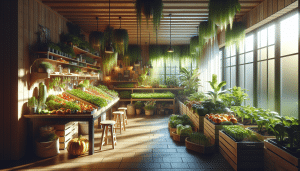
Seasonal blooms keep your backyard looking vibrant throughout the year. Plan plantings so there’s always something in flower, from spring bulbs to autumn grasses. Using a mix of textures and colors—think silver-leaved sage, bold dahlias, soft ferns—creates depth, while strategically placed evergreens provide structure in the winter months. For edible gardening, raised beds or vertical planters integrate vegetables and herbs right among ornamental borders, providing fresh ingredients and visual variety.
Choosing pest-resistant and low-maintenance plants is key for hassle-free enjoyment. Mulching garden beds not only reduces weeds but also helps conserve moisture, further supporting sustainable gardening practices. Companion planting, like pairing marigolds with tomatoes or basil with peppers, can minimize reliance on pesticides. Ultimately, diverse planting supports a healthy ecosystem and rewards you with a thriving, resilient oasis outside your door.
Outdoor Living Spaces that Extend Your Home
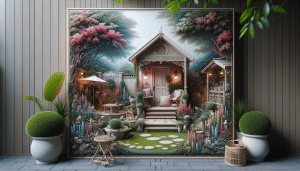
Enhancing your backyard with defined living zones increases its usability and comfort. Consider whether you’d like a spot for dining, a cozy nook for reading, or an open area for play. Installing a patio or simple paver area creates a natural gathering place for family and guests. Outdoor kitchens, fire pits, and pergolas expand meal and entertainment options while adding value to your property.
Furniture choices matter for both form and function. Weather-resistant seating, modular lounge sets, and retractable shades contribute to a seamless transition between indoors and outdoors. Soft features like outdoor rugs, colorful throw pillows, and string lights set a relaxing atmosphere. Placing container plants close to seating areas adds a lush, tranquil feel while providing easy care access.
Safety, accessibility, and privacy can all be addressed through subtle design cues. Pathways lined with solar lighting guide evening guests safely, while lattice screens or trellises covered in climbing vines supply gentle shade. If your space is small, multi-functional elements—such as built-in benches with storage or moveable screens—maximize every square foot. The result is an adaptable, low-maintenance retreat to enjoy solo or with a crowd.
Sustainable Backyard Practices for a Greener Impact
Sustainable gardening puts environmental stewardship front and center. Techniques such as composting, rainwater harvesting, and organic mulching enrich soil, conserve water, and reduce waste. Start by composting kitchen scraps and yard trimmings, turning them into nutrient-rich matter for garden beds. Install rain barrels to collect runoff for irrigation—saving on water bills and reducing stormwater impact on your property.
Smart irrigation is another cornerstone of eco-conscious backyards. Drip irrigation systems minimize water loss, delivering moisture directly to plant roots. Watering early in the morning or after sunset cuts down on evaporation. Drought-tolerant plants and xeriscaping principles further reduce your ecological footprint while enhancing the yard’s beauty. Wildlife-friendly gardening—offering birdhouses, native nectar plants, and insect hotels—encourages a thriving backyard ecosystem.
Limiting chemical use makes outdoor spaces safer for kids, pets, and pollinators. Integrated pest management (IPM) leans on natural predators and manual controls whenever possible. Lawn alternatives like groundcovers or clover can reduce mowing needs, lower emissions, and boost soil health. Taking these steps doesn’t just benefit the climate; it ultimately makes maintaining your backyard easier and more affordable in the long run.
Outdoor Decor and Illumination for Ambience
Decorative elements express your taste and bring personality to any backyard oasis. Statement features such as garden sculptures, birdbaths, or water fountains create focal points that delight the senses. Choose accents made of natural materials—recycled wood, terracotta, or stone—that blend smoothly into the landscape and stand up to weather changes.
Lighting is a powerful yet often overlooked feature in backyard design. Even a few well-placed solar lanterns or twinkling string lights can extend the hours you spend outside. Uplighting highlights striking trees, while underwater LEDs make garden ponds shimmer. Durable, waterproof fixtures ensure a worry-free experience through rain and sun.
Small touches have a big impact. Hanging wind chimes and hammock swings invite relaxation while adding playful movement and sound. Outdoor art, painted fences, or mural walls provide colorful backdrops to gatherings. The result is a unique, welcoming space, perfect for garden parties, children’s birthdays, or simply winding down after a busy day.
Maintaining and Evolving Your Backyard Retreat
Once your oasis is complete, a simple maintenance routine keeps it healthy and inviting. Schedule regular soil checks, pruning, and weeding to prevent problems before they grow. Early intervention makes easier work of pests and disease. Automated tools like robotic mowers and drip irrigation further cut workload while keeping your garden lush.
Each season brings opportunities for mini-makeovers. Swap summer annuals for autumn flowers or winter conifers to keep displays fresh. Collect fallen leaves for composting and overwinter delicate container plants inside when the first frost is expected. Continuous attention keeps the environment dynamic—so you never tire of your backyard’s possibilities.
Inviting friends, family, or even neighbors to share gardening tips can offer new inspiration, troubleshooting, and enjoyment. Over time, your backyard becomes more than a space—it’s a living, evolving reflection of your care, creativity, and connection with nature. This transformation makes every moment outdoors deeply rewarding.
References
1. United States Environmental Protection Agency. (n.d.). Green Landscaping: Greenacres. Retrieved from https://www.epa.gov/greenacres
2. National Wildlife Federation. (n.d.). Create a Wildlife Habitat. Retrieved from https://www.nwf.org/Home/Garden-for-Wildlife/Create
3. Cornell Cooperative Extension. (n.d.). Gardening Resources. Retrieved from http://gardening.cals.cornell.edu
4. University of California Agriculture and Natural Resources. (n.d.). Sustainable Landscaping. Retrieved from https://ucanr.edu/sites/scmg/Sustainable_Landscaping
5. Royal Horticultural Society. (n.d.). Low Maintenance Gardening. Retrieved from https://www.rhs.org.uk/garden-planning/low-maintenance
6. U.S. Department of Agriculture. (n.d.). Native Gardening. Retrieved from https://www.fs.usda.gov/wildflowers/Native_Plant_Materials/NativeGardening/index.shtml

 Secrets You Might Not Know About Raised Bed Gardening