Unlocking the Power of Ceramides in Skincare
Camila Torres September 26, 2025
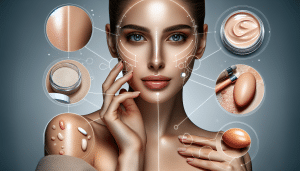
Curious how ceramides can transform your skincare routine? This guide unpacks the benefits, science, and myths behind ceramide-infused products. Get insights on how these natural lipids support a healthy skin barrier, hydration, and visible glow, even for sensitive or aging complexions.
What Are Ceramides and Why Do They Matter?
Skin naturally contains ceramides—fatty molecules that play a crucial role in its protective barrier. Ceramides hold the skin’s surface cells together, forming a shield against environmental aggressors and preventing excess moisture loss. When skin lacks enough ceramides, it can become dry, irritated, or sensitive. Many dermatologists now recommend replenishing ceramides topically, especially for individuals prone to eczema or chronic dryness. As the demand for barrier-repairing skincare increases, ceramides have moved into the spotlight for their proven effects on hydration and resilience.
Unlike some buzzworthy ingredients, ceramides are backed by scientific expertise. Research shows that up to 50% of the skin barrier is made from ceramides, highlighting their natural role in keeping the complexion supple and strong (https://www.health.harvard.edu/blog/the-science-of-healthy-skin-barriers-202111192633). When barrier health declines, issues like redness, rough texture, and dehydration often follow. That’s why replenishing lost ceramides can make a visible difference, helping balance the skin’s ecosystem. Exploring how various formulas deliver these lipids can empower greater control over your daily routine.
Ceramides are valued for their non-irritating and versatile profile. Suitable for all ages and skin types, these lipids are prized in barrier creams, serums, and cleansers. Application is straightforward; layering a ceramide moisturizer locks in essential moisture, reduces sensitivity, and can support other active ingredients in your lineup. As the wellness community seeks gentle, effective solutions, understanding ceramides offers practical knowledge for nurturing radiant, healthy-looking skin at any life stage.
How Ceramides Support a Healthy Skin Barrier
The skin barrier operates as a frontline defense—protecting from environmental stressors such as pollution and bacteria. Ceramides strengthen this protective layer, improving the skin’s ability to hold onto water and resist external threats. By sealing microscopic cracks, they keep irritants out and moisture in. Stronger barriers mean fewer flare-ups of conditions like eczema or sensitivity. Consistent ceramide use addresses visible dryness while reinforcing the skin’s deeper support system.
Hydration is central to a radiant complexion, and ceramides deliver lasting moisture. Unlike humectants that pull water into the skin, ceramides lock moisture in by restoring the bonds between skin cells. This effect is especially helpful in challenging climates or after repeated cleansing, both common triggers for dryness. Dermatologists report that people who add ceramide-rich products to their routines often experience fewer symptoms like tightness or flaky patches (https://www.aad.org/public/diseases/eczema/skin-barrier). For those seeking gentle, science-backed solutions, ceramides present a reliable path to comfort and hydration.
Not all ceramide blends are identical. Some formulas combine ceramides with cholesterol and fatty acids for a multi-layered protective effect. These complex blends can better mimic the skin’s natural barrier, providing both immediate comfort and gradual repair. When exploring product options, understanding ingredient synergy can help tailor results. Whether using a barrier cream or serum, consistent use supports overall barrier health, setting the foundation for visible glow and vitality.
Who Benefits Most from Ceramide Skincare?
Individuals with sensitive, dry, or aging skin can see profound improvements with ceramide-rich formulas. As we age, the skin’s natural ceramide levels decline, leading to greater vulnerability and dehydration. For people experiencing irritation from seasonal changes, harsh ingredients, or medical treatments, topical ceramides may soothe and speed up recovery. Ceramides are also recommended for those managing eczema or psoriasis, reducing frequency and intensity of flare-ups when used in supportive routines.
Ceramide creams are beloved by people balancing acne treatments, since many prescription ingredients can strip the skin’s barrier. Integrating ceramides can help counteract dryness or peeling, without clogging pores. They also provide relief in colder months when environmental dehydration rises. Those seeking preventive care use ceramide serums to maintain youthful bounce and resiliency—an approach that aligns with growing interest in barrier-first self-care. Each use replenishes what time, stress, or climate may strip away.
For caregivers of infants, pediatricians sometimes recommend ceramide-infused emollients to reduce risk of eczema outbreaks. These gentle options minimize irritation while supporting baby-soft skin. Across life stages and skin needs, ceramides offer adaptable solutions, lowering sensitivities and locking in moisture without heavy residues. Their popularity signals a larger movement: prioritizing barrier health over invasive trends, and embracing science to nourish every layer of wellness and beauty.
How to Select and Apply Ceramide Products
Choosing the right ceramide product involves reading labels closely. Formulas that combine ceramides with cholesterol and fatty acids often replicate the skin’s natural matrix best, delivering maximum support. Check for terms like “ceramide NP,” “ceramide AP,” or “phytosphingosine” among ingredients. Seek out products free from drying alcohols or known irritants, as these can undermine barrier repair. Reviews, clinical endorsements, and dermatologist input help validate product safety and efficacy (https://www.ncbi.nlm.nih.gov/pmc/articles/PMC4976400/).
Apply ceramide serums or creams as the final moisturizing step of your routine, gently massaging into face and neck. For extremely dehydrated skin, layering under thicker occlusives—like balm or ointment—may enhance results. Avoid over-exfoliating or combining with strong acids; focus on gentle cleansing, balanced hydration, and consistent use for several weeks. Over time, smoother texture and reduced redness signal healthier barrier function. Tracking progress with photos or logs can reveal remarkable changes.
For full-body hydration, ceramide lotions can be applied post-shower while skin is still damp to lock in moisture. For targeted recovery, spot-treat dry patches or irritated areas as needed. Ceramides can also complement active ingredients like niacinamide and hyaluronic acid, supporting a well-rounded regime. With patience and mindful application, even stressed complexions can enjoy newfound radiance and resilience—proof that restoring the barrier is central to modern wellness and beauty routines.
Debunking Myths Around Ceramides
Despite widespread acclaim, some myths about ceramides linger. One common misconception is that all ceramide products act the same. In truth, effectiveness depends on concentration, ingredient synergy, and base formula. Many people also believe ceramides alone can treat severe skin conditions, yet medical guidance emphasizes holistic care. Pairing ceramides with lifestyle adjustments and hydration delivers best results, especially for persistent irritation or damage (https://www.nationaleczema.org/blog/ceramides-for-eczema/).
Some worry that lipid-rich textures feel greasy or cause breakouts. Most well-formulated ceramide creams use balanced, non-comedogenic bases, suitable for a broad array of skin types. Advances in skincare technology mean there are versions for every preference—lightweight lotions, soothing balms, and even foaming cleansers. Reading reviews and patch testing helps identify ideal choices for unique needs. Myth-busting ensures decisions are based on real performance rather than hype.
Marketing sometimes positions ceramides as a cure-all for any skincare woe. While they play a powerful role in barrier repair, not every concern resolves through ceramides alone. Some issues—like acne or hyperpigmentation—may require additional targeted actives. Still, healthy barrier function amplifies the effect of those treatments, reducing side effects and promoting visible improvement. Choosing ceramides as part of a balanced routine is the safest, most effective strategy for sustainable wellness and beauty.
Navigating Trends and Innovations in Ceramide Skincare
The popularity of ceramide skincare has led to diverse formulations and innovations. Brands now offer micro-encapsulated ceramides for deeper delivery, vegan sources for eco-conscious buyers, and even prescription-grade therapies for medical needs. This surge in options brings more choices—but also a greater need for discernment. Look for brands and products that share clinical studies or dermatologist backing, prioritizing transparency and scientific integrity (https://www.ncbi.nlm.nih.gov/pmc/articles/PMC8831902/).
Emerging trends include ceramide blends with prebiotics or botanical extracts, targeting both barrier integrity and microbiome balance. Sensitive and mature skin users especially benefit from formulas that combine ceramides with anti-inflammatory agents or antioxidants. Consumer interest in ingredient transparency and clean beauty also drives innovation, making it easier to align product choices with personal values. Many consumers explore multi-functional ceramide products to streamline routines and maximize benefits.
Staying informed helps avoid falling for fads and focus on what truly works. The science supporting ceramides remains robust, but choosing reputable sources and seeking professional guidance ensures optimal outcomes. A well-informed approach to ceramide skincare can unlock remarkable, long-lasting improvements—helping skin appear more youthful, calm, and luminous long after trends shift.
References
1. Harvard Health Publishing. (n.d.). The science of healthy skin barriers. Retrieved from https://www.health.harvard.edu/blog/the-science-of-healthy-skin-barriers-202111192633
2. American Academy of Dermatology. (n.d.). How to repair your skin barrier. Retrieved from https://www.aad.org/public/diseases/eczema/skin-barrier
3. National Eczema Association. (n.d.). Ceramides for eczema. Retrieved from https://www.nationaleczema.org/blog/ceramides-for-eczema/
4. Draelos, Z.D. (2018). The science behind ceramide-containing moisturizers. PubMed Central. Retrieved from https://www.ncbi.nlm.nih.gov/pmc/articles/PMC4976400/
5. Han, S. H., et al. (2022). Ceramides and their role in skin health. PubMed Central. Retrieved from https://www.ncbi.nlm.nih.gov/pmc/articles/PMC8831902/
6. Cleveland Clinic. (n.d.). Ceramides in skincare: What to know. Retrieved from https://health.clevelandclinic.org/ceramides-in-skin-care/

 Unlocking Startup Funding Paths You Might Miss