Gardening Tips That Support Urban Environments
Valentina Marino September 25, 2025
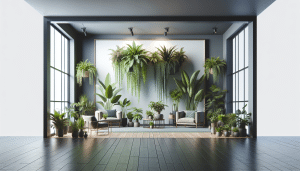
Urban environments can often feel like concrete jungles, with limited space and constant hustle and bustle. However, a growing trend of urban gardening is transforming city spaces into vibrant, green oases. Whether you’re looking to grow food, beautify your home, or contribute to sustainability efforts, urban gardening can be a practical solution for city dwellers. Here’s how you can create your own garden in the heart of the city, no matter the size of your space.
1. Embrace Vertical Gardening for Limited Space
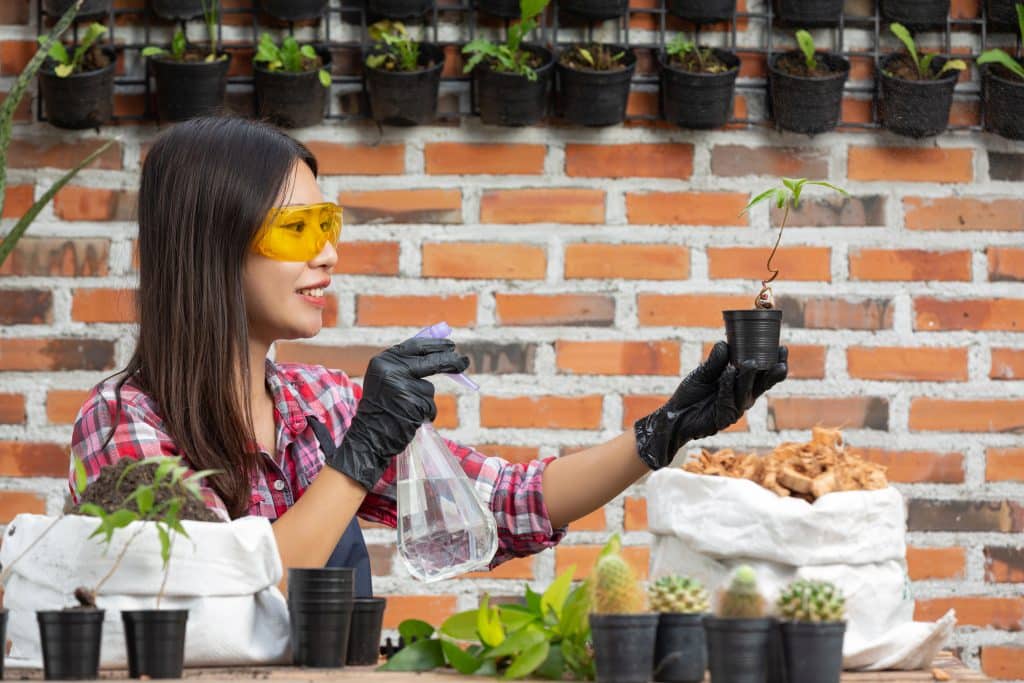
In many urban environments, space is scarce. But that doesn’t mean you can’t enjoy the benefits of gardening. Vertical gardening is a fantastic solution for growing plants in small or confined spaces, such as apartments or balconies.
How to do it:
- Vertical Planters: Use stacked planters or wall-mounted shelves to grow flowers, herbs, or even small vegetables. You can find a range of DIY kits for vertical gardening, from simple hanging pots to elaborate systems with built-in irrigation.
- Trellises and Climbers: For plants like peas, tomatoes, or cucumbers, adding a trellis to your garden can allow them to grow upwards, saving valuable ground space.
- Gutter Gardens: Re-purpose old gutters into long, narrow planters for herbs or flowers that thrive in shallow soil.
Vertical gardening maximizes your available space and creates a lush, green aesthetic without taking up too much room.
2. Use Container Gardening to Grow Anywhere
Container gardening is another excellent way to bring greenery into an urban environment. It offers flexibility because containers can be placed anywhere: on balconies, windowsills, or even rooftops.
How to do it:
- Choose the Right Containers: From classic terracotta pots to repurposed containers like wooden crates, there’s a wide variety of choices for urban gardeners. Ensure your containers have proper drainage to prevent waterlogging.
- Select Plants for Containers: Herbs such as basil, parsley, and mint thrive in containers, and you can even grow dwarf fruit trees like strawberries or figs. Choose plants that are well-suited to your specific urban climate—those that can tolerate limited sunlight or windy conditions.
- Self-Watering Planters: For busy city residents, self-watering planters can make gardening hassle-free. These containers have built-in reservoirs that provide a consistent water supply to the plants, reducing the frequency of watering.
Container gardening not only gives you flexibility but also allows you to move plants around to catch the best light or protect them from extreme weather conditions.
3. Harness the Power of Hydroponics
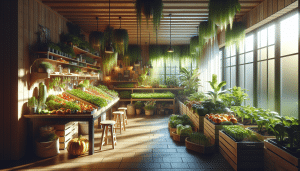
For those in cities with limited soil or outdoor space, hydroponic gardening is a game-changer. This soil-free method allows you to grow plants with just water and nutrients, making it perfect for small apartments or even office spaces.
How to do it:
- Hydroponic Systems: These can be as simple as a DIY system using mason jars for herbs or as complex as commercial-grade setups with built-in grow lights and nutrient solutions. Common hydroponic methods include Kratky, wick systems, or nutrient film techniques.
- Grow in the Kitchen: Hydroponic systems are ideal for growing herbs indoors in the kitchen. You can have fresh basil, cilantro, and mint all year round, right at your fingertips.
- Automated Hydroponics: If you want to take the hassle out of hydroponic gardening, consider automated systems with timers and sensors that control light, water, and nutrient levels.
Hydroponics can significantly increase your plant yield, even in small, urban spaces where soil gardening may not be feasible.
4. Green Your Roof with Rooftop Gardens
Rooftop gardening has emerged as one of the most exciting trends in urban sustainability. With a little investment, you can transform your flat roof into a productive space that supports green initiatives, reduces your carbon footprint, and creates a peaceful retreat in the city.
How to do it:
- Lightweight Soil and Planters: Use lightweight soil mixes to prevent overloading your roof structure. Raised garden beds or containers are perfect for this type of setup.
- Focus on Sustainability: Opt for native plants that are drought-tolerant and well-suited to your local climate. This will not only reduce maintenance but also attract local pollinators like bees and butterflies.
- Grow Your Own Food: With proper sunlight and care, you can grow vegetables like tomatoes, leafy greens, and root crops on your roof. Herbs like rosemary, thyme, and oregano also do well in rooftop environments.
Rooftop gardens can serve multiple purposes, from reducing energy costs by insulating your building to offering a serene outdoor escape in an urban setting.
5. Adopt a Community Garden Approach
If you don’t have access to a private balcony, rooftop, or garden plot, consider joining a community garden. Many urban areas have seen a rise in these shared green spaces, where local residents come together to grow food, flowers, and plants.
How to do it:
- Find a Local Community Garden: Many cities have organizations or city councils that maintain community gardens. You can typically rent a plot or volunteer your time in exchange for a share of the harvest.
- Collaborate and Learn: Community gardens foster a sense of togetherness and encourage sustainable gardening practices. It’s a great way to learn from more experienced gardeners while contributing to your neighborhood’s green efforts.
- Grow Edible Plants: Community gardens often focus on growing vegetables and fruits. Growing your own food not only reduces your carbon footprint but also ensures that you’re eating fresh, pesticide-free produce.
Community gardens are an excellent way to engage in gardening without the need for a private outdoor space.
6. Support Sustainability with Composting
Composting is a simple but powerful way to reduce waste and improve the health of your urban garden. By composting organic waste like food scraps and yard waste, you can create nutrient-rich soil to support healthy plant growth.
How to do it:
- Composting Bins: Invest in a composting bin or create your own compost pile in a corner of your garden. Ensure good air circulation by turning the compost regularly.
- What to Compost: Focus on composting fruit and vegetable scraps, coffee grounds, eggshells, and yard clippings. Avoid adding meat, dairy, or oily foods, which can attract pests.
- Worm Composting: For small apartments, consider vermiculture (worm composting). It’s odor-free and highly efficient, providing nutrient-rich compost in a compact container.
Composting is a sustainable practice that helps reduce landfill waste while providing valuable organic material for your urban garden.
Conclusion: Transform Your Urban Space with Sustainable Gardening
Urban gardening is not just a trend—it’s a transformative approach to living more sustainably in crowded, concrete-filled environments. Whether you’re utilizing vertical gardening, container gardens, or hydroponics, the possibilities are endless when it comes to creating your own green oasis. Start small, experiment with different techniques, and enjoy the process of watching your urban garden thrive.
By adopting sustainable gardening practices, you contribute to a greener, healthier city while enhancing your quality of life. So, roll up your sleeves, grab your gardening tools, and start planting today—your urban jungle awaits!
References
- Brown, L. R. (2020). The urban gardener’s guide: Sustainable gardening practices in cities. Available at: https://www.greenlivingpublishing.com (Accessed: 25 September 2025)
- Gaskell, A. (2019). Vertical gardening for urban spaces: Maximizing space in the concrete jungle. Available at: https://www.urbangardeningjournal.com (Accessed: 25 September 2025)
- Solar, T. (2021). Hydroponics in the city: A solution for soil-free urban gardening. Available at: https://www.sustainablelivingtoday.com (Accessed: 25 September 2025)

 Wellness Routines That Improve Mental Clarity