Secrets You Miss About Indoor Plants for Health
Valentina Marino September 24, 2025
Uncover how indoor plants can boost air quality, lower stress, and transform any living space. This practical guide explores surprising health benefits, tips for the best low-maintenance options, and actionable advice to help your home feel fresher and more calming.
Why Indoor Plants Matter for Home Wellness
Many people overlook the powerful connection between indoor plants and wellness. Greenery doesn’t just make your living room more beautiful; it can also purify indoor air, as NASA researchers discovered when studying common houseplantshttps://nasa.gov/sites/default/files/atoms/files/house_plant_study.pdf. Common pollutants like formaldehyde and benzene, often found in household cleaners or paint, are absorbed by certain foliage varieties. The presence of living plants introduces natural air filtration for your space, potentially reducing allergy symptoms and supporting respiratory health. Anyone, even without a green thumb, can experience noticeable changes by incorporating a few houseplants throughout their home.
Beyond air quality, evidence suggests that being surrounded by plants has a calming influence. Studies from leading universities point toward lower heart rates, reduced stress, and improved mood after just a short exposure to living greenery. Having a thriving peace lily or snake plant on a windowsill, for example, can trigger psychological responses linked to relaxation. These biological cues may create a subtle but meaningful shift: your home begins to feel like a true sanctuary. Mental wellness and emotional well-being improve quietly, supported by each leaf and root.
Not every home gets direct sunlight, which can make plant care feel tricky. Luckily, popular indoor plants are often low-maintenance and adaptable to limited light. Pothos, dracaena, and ZZ plant varieties have grown in popularity due to their resilience and ability to thrive even in dim conditions. Homeowners and apartment dwellers alike can experience the well-documented benefits of greenery no matter the layout or lighting of their space. The process even encourages mindful moments—watering, pruning, or repotting plants creates a break in daily routines focused on personal wellness.
Air Purification: How Houseplants Tackle Hidden Toxins
Houseplants are more than decoration; certain varieties actively filter out indoor pollutants. The classic NASA Clean Air Study was a breakthrough, showing species like spider plant, peace lily, and golden pothos can absorb chemicals including xylene and ammonia from enclosed environmentshttps://www.epa.gov/indoor-air-quality-iaq/air-cleaners-and-air-filters-home. These airborne toxins accumulate from cooking, cleaning agents, and synthetic materials present in many home furnishings. Regularly caring for and replenishing your green collection, especially in bedrooms or kitchens, naturally boosts indoor air quality with minimal effort.
Three factors influence a plant’s purification power: species, number, and care routine. While any green leaf helps, not all species perform equally. Boston ferns, for example, excel at removing formaldehyde, while rubber plants are best for absorbing carbon monoxide. Consistency matters, too; healthy, hydrated plants clean far more air than those left to wilt. By rotating your houseplants, refreshing soil, and occasionally wiping dust off leaves, you help maximize their filtering capacity over time.
Although research into plants as natural air filters continues, the Environmental Protection Agency still recommends using plants alongside traditional air-cleaning methodshttps://www.cdc.gov/nceh/features/air-quality/index.html. HEPA filters and steady ventilation complement houseplant benefits for truly comprehensive indoor air quality. Still, adding greenery has a tangible impact, especially in urban areas where fresh-air flow may be limited. For those looking to make environmentally friendly choices, combining technological and natural filtration is smart and accessible.
Choosing the Right Indoor Plants for Every Lifestyle
With the explosion in houseplant popularity, options can feel overwhelming. Not every species matches every lifestyle, though. Busy professionals often choose hardy varieties like sansevieria (snake plant) or peace lily, which require little maintenance and easily bounce back from missed waterings. Residents with pets, meanwhile, must beware of toxicity; spider plants, prayer plants, and parlor palms are safe around cats and dogshttps://www.aspca.org/pet-care/animal-poison-control/toxic-and-non-toxic-plants. For those seeking edible rewards from their greenery, kitchen herbs like mint or basil grow well on windowsills and provide fresh flavors for cooking without much fuss.
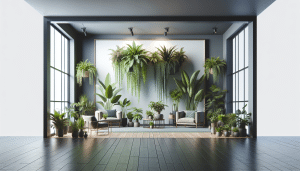
Lighting drives plant selection more than most people suspect. Sun-thirsty varieties such as aloe vera or cacti thrive on sunniest windowsills, but north-facing apartments can still nurture pothos, dracaenas, and ZZ plants. Placement matters, too: grouping similar species creates mini microclimates that help plants support each other’s humidity and temperature needs. Families in small spaces can save valuable counters using vertical planters or hanging pots, making the most of even the tiniest spots.
For those new to indoor gardening, starting with just one or two proven species builds confidence. Monitoring leaf texture and color, checking for signs of overwatering or pests, and learning simple propagation techniques create a low-pressure introduction to plant care. Once familiar with their needs, it’s easy to expand a collection. The learning curve flattens fast, and the reward—lush, resilient greenery—is visible in every corner of the home.
Mental Health and Stress Relief Through Houseplants
Green spaces help relieve psychological stress, even indoors. Recent studies from the American Psychological Association have found exposure to houseplants can decrease anxiety and contribute to a general sense of peacehttps://www.apa.org/monitor/2020/04/nurtured-nature. Mindful interaction—trimming yellowed leaves or simply sitting beside a blooming orchid—triggers relaxation responses in the body. This effect is subtle but widespread, encouraging feelings of accomplishment and meaningful quiet time in today’s busy world.
Many therapists incorporate nature therapy principles into everyday routines, especially for those spending long hours indoors. Consistently tending to a plant’s growth, watering needs, and season changes provides gentle structure and grounding. These small rituals can ease racing thoughts and offer a sense of routine for those who struggle with anxiety or mood swings. Just a few minutes each day dedicated to caring for greenery can become a mindful practice beneficial for emotional wellness.
Office workers, in particular, benefit from adding plants to workspaces. Even a simple succulent or bamboo shoot on the desk can boost mood and increase productivity, according to recent university researchhttps://www.ncbi.nlm.nih.gov/pmc/articles/PMC4419447/. Visual connection to the outdoors, even through small indoor moments, helps relieve mental fatigue and reignite focus. Plants foster a more pleasant, supportive environment wherever they go.
Practical Plant Care Tips for Sustainable Home Habits
Succeeding with indoor plants is easier than it seems, especially with a few consistent habits. Most houseplants thrive on a weekly watering schedule, but overwatering is a common mistake. Allowing soil to dry slightly between waterings prevents root rot and supports robust growth. Using pots with drainage holes and regularly checking for pests are key best practices that help keep any collection healthy and resilient.
Nutrient support matters, too. While many store-bought soils come with starter fertilizer, supplemental feeding every few months can keep leaves full and vibrant. Organic options—compost tea or slow-release plant food—support plants without introducing excess chemicals into the home environment. Observing plant reactions during different seasons helps fine-tune these routines over time, leading to stronger, more adaptable houseplants.
Repotting is another useful routine. Most species benefit from a new pot or fresh soil every 1-2 years, especially as roots outgrow their containers. This process also allows gardeners to check for hidden pests, replenish nutrients, and experiment with decorative planters. The result? Houseplants not only survive but actually thrive, continuing to give back with cleaner air and restorative green energy year-round.
More Than Decor: Creating a Healthy Home for All
Integrating houseplants goes beyond aesthetics—it supports overall well-being for every household member. Families with children can turn plant care into interactive learning moments, exploring growth cycles, root systems, and climate needs. Even pets benefit: non-toxic plants act as safe enrichment objects, and additional humidity can benefit fur and skin health. These combined effects create a space that feels both healthy and welcoming.
Redesigning a living area with plant care in mind can shift the energy of an entire home. Groupings of leafy varieties or seasonal blooms serve as natural focal points, replacing artificial décor with something living and interactive. Experimenting with different arrangements helps uncover what feels most vibrant for each unique household layout. Reflection on what plant species mean personally—gifts, family favorites, or reminders of special locations—can also infuse homes with deeper meaning.
Caring for indoor greenery may even spark broader eco-friendly habits. Composting food scraps for fertilizer, opting for recyclable planters, or participating in local plant swaps fosters more connection to the community and the environment. Ultimately, the ripple effect of one healthy plant is felt far beyond its pot, transforming any home into a healthier and more harmonious place to live.
References
1. NASA. (n.d.). Interior landscape plants for indoor air pollution abatement. Retrieved from https://nasa.gov/sites/default/files/atoms/files/house_plant_study.pdf
2. U.S. Environmental Protection Agency. (n.d.). Air cleaners and air filters in the home. Retrieved from https://www.epa.gov/indoor-air-quality-iaq/air-cleaners-and-air-filters-home
3. Centers for Disease Control and Prevention. (n.d.). Indoor air quality. Retrieved from https://www.cdc.gov/nceh/features/air-quality/index.html
4. American Society for the Prevention of Cruelty to Animals (ASPCA). (n.d.). Toxic and non-toxic plants list. Retrieved from https://www.aspca.org/pet-care/animal-poison-control/toxic-and-non-toxic-plants
5. American Psychological Association. (2020). Nurtured by nature. Retrieved from https://www.apa.org/monitor/2020/04/nurtured-nature
6. Bringslimark, T., Hartig, T., & Patil, G. G. (2014). Psychological benefits of indoor plants in workplaces. Retrieved from https://www.ncbi.nlm.nih.gov/pmc/articles/PMC4419447/

 Ways You Can Master Minimalist Home Decor