Why Hidden Beaches Are Changing How You Travel
Alexei Novak September 23, 2025
Hidden beaches have quietly become the new escape for travelers seeking calm, beauty, and adventure mixed together. This guide explores how secluded coastal spots reshape the experience, make travel more affordable, and fuel a sense of discovery away from crowded shores. Welcome to a journey that might just transform your next getaway.
The Allure of Hidden Beaches for Modern Travelers
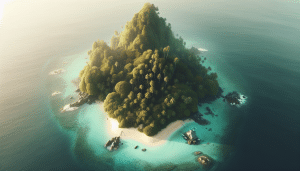
There’s a distinctly different feeling when stepping onto a stretch of sand that most travelers have never set foot upon. Hidden beaches represent a category of travel that is more about exploration and serenity than ticking off popular destinations. Secluded sands, clear blue waters, and native flora often define these untouched gems. One reason people seek them out so passionately is because beach travel has become synonymous with crowds, resorts, and sometimes even stress. Privacy and tranquility become rare commodities during the busiest periods. This shift drives the surge in popularity for less-known spots, sparking curiosity and providing a sense of unique discovery (Source: https://www.nationalgeographic.com/travel/article/best-secluded-beaches-world).
Hidden beaches also appeal because of the opportunities they present to reconnect with nature. Lush coastal habitats, undisturbed wildlife, and soothing soundscapes make these destinations particularly attractive for those seeking an escape from daily noise. Bird watchers, amateur photographers, and marine life enthusiasts all find something compelling on these shores. Sometimes, the journey to get to a remote beach—perhaps a hike, a boat ride, or a winding scenic drive—adds to the sense of adventure that conventional beach trips can’t match.
Affordability is another driver. Popular resorts or well-known coastlines may carry a high price tag, both in monetary and environmental terms. Travelers looking for cheap flights, off-path accommodations, and low-cost experiences often find hidden beaches tick many boxes. It’s not uncommon to camp beneath the stars, discover family-run guesthouses, or simply pack a picnic and watch the sunset. Affordability, adventure, and untouched beauty—these are just a few of the reasons the secret beach trend is growing globally.
Discovering Secluded Beaches: How to Find Them
Finding a hidden beach used to rely on word of mouth or local secrets, but technology has changed everything. Adventurous travelers now utilize online resources, from travel forums to social media communities, to uncover spots that don’t appear on mainstream travel guides. For example, platforms like Google Maps and local travel blogs provide valuable clues—sometimes even GPS coordinates—which allow explorers to verify access routes and location logistics. This digital approach has opened up a world of lesser-known coastal escapes to those willing to do a bit of research (Source: https://www.lonelyplanet.com/articles/best-hidden-beaches).
Travelers note that networking on the ground plays a substantial role as well. Engaging with locals, striking up conversations with other adventurers at small cafes, and joining organized eco-walks or guided tours can reveal insider knowledge about nearby beaches that aren’t widely advertised. This approach not only unearths rare finds but also often helps support community-based tourism, which sustains local economies and preserves natural resources.
Responsible exploration means verifying the rules and customs before setting out. Some beaches are under conservation or may be restricted seasonally to protect wildlife or fragile habitats. Checking with local authorities or conservation groups ensures that hidden beach travel benefits both visitors and the ecosystem. When approached thoughtfully, the pursuit of secret coastlines adds a rewarding element of discovery to budget-friendly vacation planning and eco-conscious travel habits.
The Value of Seclusion: Well-being and Mental Escape
The positive impact of natural environments on mental well-being has been widely studied. Hidden beaches, free from the bustling activity of mainstream destinations, offer rare opportunities for travelers to recharge. Many note reduced stress and improved mood after a day spent in undisturbed nature. The sound of waves, the smell of salt air, and the visual tranquility of unspoiled horizons contribute to the restorative power of these places (Source: https://www.health.harvard.edu/mind-and-mood/the-healing-power-of-nature).
For some, the benefits of digital detox are significant. Secluded spots frequently lack strong cellular signals or Wi-Fi, creating a natural invitation to disconnect from screens and constant notifications. Travelers rediscover simple pleasures—reading under a palm tree, sketching driftwood, or meditating to the rhythm of the surf. Many report that time spent on such beaches leads to longer-lasting memories and a greater sense of renewal than more frenetic trips.
The wellness angle isn’t limited to psychological effects. Physical activities such as swimming, paddleboarding, snorkeling, or hiking coastal trails often become more enjoyable in uncrowded settings. There’s safety, too, in solitude—less chance of disruptive encounters and more freedom to set one’s own pace. As wellness tourism grows, these hidden sanctuaries are perceived not simply as destinations but as retreats designed for mind and body alike.
How to Respect and Preserve Hidden Beaches
Visiting a hidden beach comes with responsibility. Environmental stewardship is essential to preserving the natural beauty that draws people in. Travelers are encouraged to follow Leave No Trace principles: pack out everything brought in, avoid disturbing wildlife, and stick to established paths where they exist. Simple personal choices—such as shunning single-use plastics, avoiding chemical sunscreens that damage coral reefs, and refraining from campfires during dry spells—help minimize human impact (Source: https://www.nps.gov/articles/leave-no-trace-seven-principles.htm).
Community engagement also supports long-term conservation. Volunteering for local beach clean-up efforts, contributing to regional conservation funds, or spreading awareness through informed social media posts amplifies positive effects. Building relationships with locals further illuminates the challenges and opportunities facing coastal communities. These connections create a feedback loop—travelers learn more about stewardship, and communities benefit from invested visitors.
The growing interest in hidden beaches does present challenges, such as the risk of overtourism or habitat degradation. Awareness and respectful behaviors can counteract these threats. By prioritizing environmental care and supporting local policies, responsible travelers ensure their paradise remains pristine for future generations of seekers.
Travel Planning: Accessible Yet Exclusive
Planning a trip to a hidden beach requires a blend of flexibility and research. Unlike mainstream destinations with frequent flights and shuttle buses, reaching secluded coastlines may involve private or irregular transport, small boats, or moderate hikes. Online travel communities make it easier to coordinate rides, get advice about safe seasons for travel, and learn about potential hazards such as tides or weather patterns (Source: https://www.travelandleisure.com/trip-ideas/beach-vacations/secluded-beaches).
Affordability can be a surprising advantage. Many remote beaches come with minimal or no entry fees, and off-grid lodging or small seaside accommodations can be more budget-friendly than hotel clusters in major coastal cities. Group travel often further reduces costs for transport and supplies, making these vacations accessible to a broad range of travelers.
Those seeking exclusivity without the price tag find plenty of options with creative trip planning. Route flexibility, willingness to self-cater, and curiosity about different cultures help turn a journey into an adventure. Local cuisine, traditions, and unique landscapes await—every trip feels new, every day a discovery. Affordable, sustainable, and undeniably memorable, hidden beach escapes offer something profound for travelers who value the path less traveled.
Uncover More Than Just Beaches: The Cultural Side
Hidden beaches often hide more than beautiful sand and water—they are gateways to cultural encounters. Many of these locations are near fishing villages or indigenous communities that retain unique traditions. Immersive experiences, such as participating in a local meal or learning about traditional crafts, enrich the journey far beyond the coastline. Responsible travel means engaging with these communities on respectful terms and supporting authentic, local enterprise (Source: https://www.unwto.org/sustainable-development-of-tourism).
Local festivals, culinary specialties, and guided eco-excursions offer context: the significance of a particular shell, song, or ceremony illuminates the culture and ecology of the region. Rather than being passive observers, travelers gain insight through participation. This cultural immersion fosters understanding and ultimately strengthens the appeal of lesser-known destinations as more than just scenic escapes.
Sustainable tourism depends on mindful engagement. By shopping at local markets, joining traditional cooking classes, or supporting heritage conservation programs, travelers contribute to the preservation and celebration of living cultures. The result is a deeper connection, not just to the landscape, but to the communities that call these shores home.
References
1. National Geographic. (n.d.). Best Secluded Beaches in the World. Retrieved from https://www.nationalgeographic.com/travel/article/best-secluded-beaches-world
2. Lonely Planet. (n.d.). Best Hidden Beaches. Retrieved from https://www.lonelyplanet.com/articles/best-hidden-beaches
3. Harvard Health. (n.d.). The Healing Power of Nature. Retrieved from https://www.health.harvard.edu/mind-and-mood/the-healing-power-of-nature
4. National Park Service. (n.d.). Leave No Trace Seven Principles. Retrieved from https://www.nps.gov/articles/leave-no-trace-seven-principles.htm
5. Travel + Leisure. (n.d.). Secluded Beaches to Escape the Crowds. Retrieved from https://www.travelandleisure.com/trip-ideas/beach-vacations/secluded-beaches
6. UN World Tourism Organization. (n.d.). Sustainable Development of Tourism. Retrieved from https://www.unwto.org/sustainable-development-of-tourism

 Simple Habits That Transform Heart Health