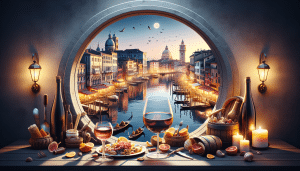
Travel Planning Tips for Cultural Exploration
Alexei Novak September 23, 2025
Travel is changing. Gone are the days of simply checking landmarks off a list. Today, more travelers are seeking meaningful, enriching experiences that allow them to immerse themselves in local cultures and traditions. In 2025, cultural exploration is taking center stage as the future of travel, with more individuals seeking to understand the customs, heritage, and local life of the places they visit. Whether it’s experiencing traditional art forms, tasting authentic local dishes, or participating in unique cultural festivals, the desire for deeper connections with the places and people we visit is stronger than ever. This comprehensive guide will walk you through practical travel planning tips to help you create unforgettable cultural exploration journeys.

1. Why Cultural Exploration is the Future of Travel
Cultural exploration is no longer just a side activity—it’s become the focus of many modern travelers. People now travel not only to see new places but to engage with them on a personal level. In fact, cultural tourism has seen a significant rise over the past decade, driven by a desire to create authentic, transformative experiences.
- Personal Connection: Cultural tourism provides travelers with the chance to connect deeply with locals. Instead of simply visiting, you’ll be learning and participating, whether that’s through hands-on workshops or communal events like traditional feasts or dances.
- Sustainability and Impact: Travelers are increasingly looking for ways to give back. As a result, supporting local businesses, artisans, and cultural initiatives has become a major draw. For instance, by staying in community-run accommodations or buying locally made goods, you’re not only enjoying authentic experiences but also helping preserve the local economy and culture.
The rise in interest around cultural exploration is a direct response to global concerns about over-tourism. In fact, travelers today are becoming increasingly conscious of the impact they have on destinations. As a result, cultural travel offers a valuable opportunity to give back by respecting local traditions and practices. By prioritizing authentic, community-driven experiences, travelers can minimize their environmental footprint while contributing to the preservation of cultural heritage. Moreover, this shift in mindset promotes a more sustainable form of travel, where both travelers and host communities benefit.
2. Emerging Trends in Cultural Travel for 2025
As we head into 2025, several trends are shaping the cultural exploration landscape:
- Community-Based Tourism: More travelers are seeking to interact directly with local communities. Specifically, community-based tourism allows visitors to stay in local homes, learn traditional skills, and work with artisans. Additionally, travelers can join local initiatives, such as sustainability projects, to further immerse themselves in the culture.
- Culinary Travel: Food has always been a gateway into culture, and 2025 sees an even greater emphasis on culinary experiences. Whether it’s cooking classes, food tours, or foraging with local chefs, food offers a direct link to cultural traditions and a more immersive travel experience.
- Indigenous Tourism: Travelers are increasingly choosing destinations that allow them to experience indigenous cultures. In fact, visiting indigenous communities to learn about their history, art, and sustainable living practices is not just an enriching experience—it goes beyond traditional sightseeing. Rather than merely observing, travelers are engaging with these communities in a way that fosters mutual understanding. Moreover, it’s an education on how to respect and preserve endangered ways of life, allowing visitors to gain insight into the importance of cultural preservation in today’s rapidly changing world.
As these trends evolve, cultural tourism is becoming more than a niche interest—it’s a key element of the modern travel experience.
3. Planning Your Cultural Trip: Practical Tips
Planning a trip centered around cultural exploration requires careful thought and preparation. Here are some practical tips to ensure your trip is both enriching and respectful:
- Research and Respect: Understanding the local customs and etiquette before you arrive is crucial. Whether it’s the way to dress at a sacred site or the appropriate behavior in a local village, taking the time to understand cultural nuances helps avoid unintentional disrespect.
- Choose Ethical Experiences: Seek out travel experiences that directly benefit local communities. Opt for tour operators and companies that prioritize sustainability, respect for local traditions, and a commitment to supporting local artisans and businesses.
- Stay with Locals: The best way to immerse yourself in a new culture is to live among the locals. Look for homestays, eco-lodges, or cultural exchange programs that offer authentic living experiences. Not only will you get a deeper understanding of the culture, but you’ll also support community-driven tourism.
- Participate in Local Events: Many destinations host annual festivals, celebrations, and cultural events. Research upcoming events and try to align your travel dates with local festivals or traditional ceremonies. Whether it’s a cultural dance, a harvest celebration, or a local art show, these events offer a firsthand look at traditions that have been passed down through generations.
4. Top Destinations for Cultural Exploration in 2025
While every corner of the world has something unique to offer, here are a few destinations that are particularly renowned for their cultural richness in 2025:
- Kyoto, Japan: Kyoto is the heart of Japan’s traditional culture. Known for its ancient temples, serene gardens, and geisha districts, this city is perfect for travelers looking to experience Japan’s deep cultural roots. Participate in a traditional tea ceremony, visit Kiyomizu-dera, or simply stroll through the historic Gion district for an unforgettable journey into Japan’s past.
- Marrakech, Morocco: Marrakech is a cultural melting pot where Arab, Berber, and French influences converge. Explore the colorful souks, visit the stunning palaces, and indulge in a cooking class to learn how to prepare traditional Moroccan dishes. Marrakech is a vibrant city where every alley and every corner tells a story.
- Oaxaca, Mexico: Known for its rich indigenous heritage, Oaxaca is an excellent destination for travelers interested in Mexican culture. From the Zapotec and Mixtec cultures to the stunning local cuisine, Oaxaca offers a wealth of cultural experiences. Visit the ancient ruins of Monte Albán, learn about traditional weaving, or take part in a mezcal tasting tour.
These destinations are just a glimpse into the diverse cultural landscapes waiting to be explored in 2025. Every corner of the globe offers unique opportunities for immersion, learning, and connection.
5. Ethical Travel Practices to Follow
When engaging in cultural exploration, it’s important to consider the ethical implications of your travel choices. Follow these ethical travel practices to ensure your impact on the destination is positive:
- Support Local Businesses: One of the best ways to benefit a local community is by supporting small businesses. Shop at local markets, eat at family-owned restaurants, and hire local guides for tours. These actions directly contribute to the local economy and help sustain cultural practices.
- Leave No Trace: Being mindful of the environment and leaving no trace is essential, especially in rural and protected areas. Always clean up after yourself, use reusable items, and minimize your carbon footprint.
- Be Culturally Sensitive: Respect the local culture by learning about its customs and adhering to them. Avoid behaviors that could be perceived as disrespectful, such as taking photos without permission or touching sacred objects. Showing respect for the culture enhances the experience for both you and the locals.
Conclusion
Cultural exploration in 2025 is all about connecting with the world on a deeper, more personal level. It’s about understanding, learning, and respecting the cultures you encounter. Whether it’s participating in local traditions, supporting community-driven projects, or exploring the hidden gems of a destination, cultural travel offers opportunities for growth and meaningful connection.
By following the tips and trends outlined in this guide, you can ensure that your next cultural adventure is both enriching and respectful. So, plan your trip with purpose, embrace new cultures, and embark on a journey that will leave a lasting impact on both you and the communities you visit.
References
- McKercher, B., & Du Cros, H. (2020). Cultural tourism: The partnership between tourism and cultural heritage management. Available at: https://www.routledge.com (Accessed: 23 September 2025)
- VisitScotland. (2025). Sustainable and responsible tourism: Best practices and cultural exploration. Available at: https://www.visitscotland.org (Accessed: 23 September 2025)
- Travel + Leisure. (2025). Top cultural destinations to visit in 2025. Available at: https://www.travelandleisure.com (Accessed: 23 September 2025)

 Financial Habits That Encourage Long-Term Growth