Interior Design Tips That Enhance Natural Light
Valentina Marino September 22, 2025
Natural light has become one of the most desirable features in modern homes, not only because it makes spaces feel open and welcoming, but also because of its proven impact on health, mood, and energy efficiency. In fact, a 2024 report from the International WELL Building Institute noted that access to daylight can reduce stress levels and improve productivity in residential and work environments. As housing design trends evolve in 2025, homeowners and designers are prioritizing interior design tips that enhance natural light to create brighter, healthier living spaces.
This guide explores practical, on-trend strategies for maximizing daylight indoors—covering both structural and design choices—while also drawing on the latest research and innovations.
Why Natural Light Matters in 2025
Before diving into specific design strategies, it’s worth understanding why natural light has become such a focus in modern interior design.
- Well-being and productivity: Exposure to daylight is linked to better sleep cycles, increased serotonin production, and improved mental clarity. In home offices, daylight exposure has been shown to boost productivity by up to 15%, according to WELL Building Institute findings.
- Energy efficiency: Daylight reduces reliance on artificial lighting and helps regulate indoor temperatures, cutting electricity bills and supporting sustainability goals.
- Market value: Homes designed with an emphasis on natural light are consistently rated higher by buyers and tend to sell faster. Realtor.com’s 2024 housing insights revealed that “bright interiors” ranked among the top five desirable features for homebuyers.
With urban living spaces shrinking and sustainability moving to the center of architectural trends, the ability to enhance natural light indoors is becoming a must-have skill for designers and homeowners alike.
Interior Design Tips That Enhance Natural Light
Here are actionable strategies for homeowners, renters, and designers to bring more daylight into interior spaces in 2025.
1. Use Light, Reflective Surfaces
The simplest way to increase natural light is to ensure that what enters your home gets amplified.
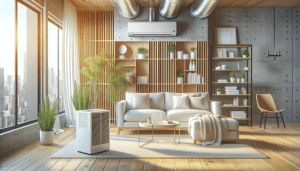
- Walls and ceilings: Light-colored paint, especially shades of white, beige, or soft pastels, reflects daylight better than darker tones. Matte finishes are trending this year because they reduce glare but still maximize reflection.
- Floors: Light-toned hardwood, pale tiles, or polished concrete floors help bounce light upward. Rugs in neutral colors also brighten dark flooring without requiring renovations.
- Furniture and décor: Glass-topped tables, metallic finishes, and glossy cabinetry can all contribute to dispersing light evenly across a room.
2. Incorporate Larger and Smarter Windows
Windows remain the most direct channel for sunlight, and current design innovations are making them more versatile.
- Floor-to-ceiling windows and corner glazing are in high demand, especially in new urban developments. They maximize exposure and create an indoor-outdoor connection.
- Smart glass technology allows homeowners to adjust tint levels automatically, balancing privacy and brightness.
- Minimalist window treatments such as sheer curtains or automated blinds ensure privacy without blocking the sun.
For renovators who cannot expand windows, swapping heavy drapes for light fabrics is a quick and impactful fix.
3. Optimize Layout and Open Space
The way furniture is arranged directly affects how far natural light can travel indoors.
- Keep bulky wardrobes or tall bookshelves away from windows.
- Opt for low-profile sofas and open shelving that allow light to filter through.
- Favor open-plan layouts, which remain a strong trend in 2025, especially in apartments. Removing unnecessary partitions lets daylight reach deeper into a home.
4. Add Mirrors and Reflective Décor
Mirrors are a classic interior design trick, but their role has become even more relevant in compact urban homes.
- Position mirrors opposite or adjacent to windows to reflect light across a room.
- Install mirrored wardrobes or decorative panels in narrow hallways to spread brightness.
- Use mirrored or metallic accents in furniture, such as side tables or frames, to subtly boost reflection without overwhelming the décor.
Glass partitions between rooms are also increasingly popular, allowing light to travel while maintaining privacy.
5. Bring in Biophilic Design
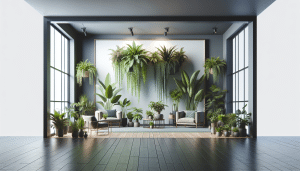
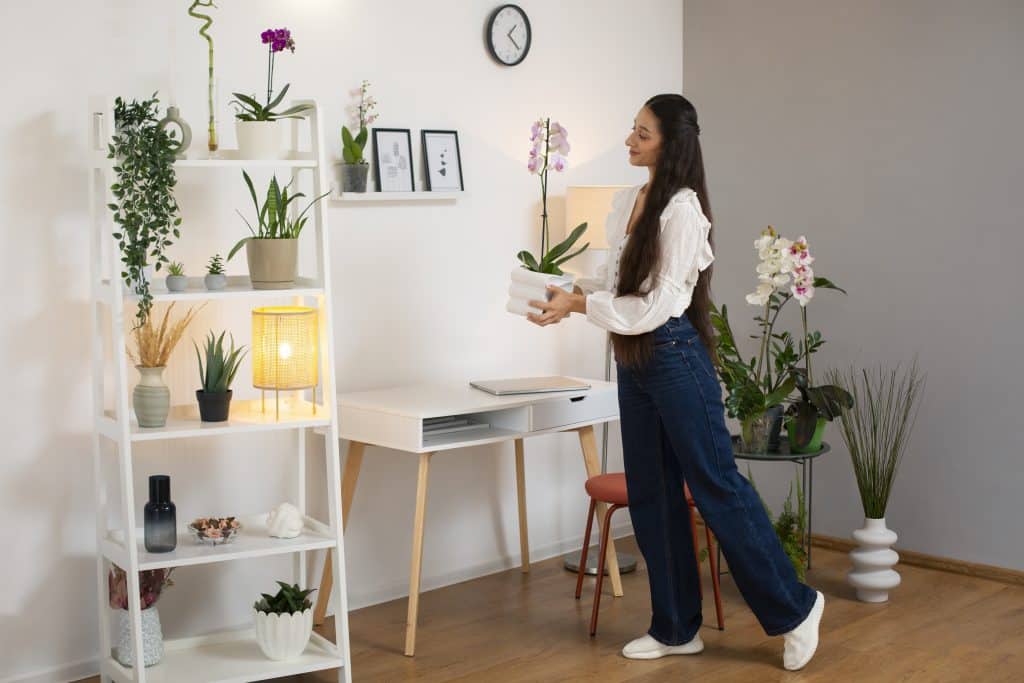
Biophilic design—incorporating natural elements indoors—remains one of the strongest interior trends in 2025.
- Place plants near windows where they naturally draw attention to daylight.
- Use hanging planters and vertical gardens to create the impression of height and airiness.
- Choose materials like bamboo, rattan, or natural stone, which complement bright, airy environments.
According to a 2024 Dezeen report, biophilic interiors not only maximize the impact of daylight but also improve indoor air quality and overall wellness.
6. Embrace Skylights and Solar Tubes
Not every home has ideal window placement, especially in densely built urban areas. Skylights and solar tubes offer innovative solutions:
- Skylights introduce daylight into rooms where wall windows aren’t possible, such as bathrooms, kitchens, or attics.
- Solar light tubes capture sunlight on rooftops and channel it through reflective shafts into interior spaces, making them more energy-efficient than traditional skylights.
This approach is especially valuable in smaller townhouses or single-story homes where daylight often struggles to reach inner rooms.
7. Choose Transparent or Minimal Partitions
Walls can block natural light from traveling through a home. Instead, many designers now recommend alternatives:
- Frosted glass dividers for privacy without sacrificing brightness.
- Sliding glass doors to connect spaces and allow sunlight to flow.
- Open shelving units that act as room dividers without fully blocking light.
These options have become increasingly popular in rental apartments, where structural changes like adding windows may not be allowed.
8. Integrate Smart Tech for Light Management
Smart technology is bridging the gap between natural and artificial light.
- Automated blinds adjust based on the sun’s position, ensuring maximum daylight during the day.
- Light sensors dim or brighten artificial lights depending on natural light availability, reducing energy waste.
- AI-driven assistants can now suggest when to adjust curtains or blinds to maximize natural illumination.
This seamless integration of tech with design aligns with the smart home trend dominating the 2025 market.
Emerging Trends: Natural Light Meets Sustainability
Interior design is increasingly being shaped by global environmental goals. Enhancing natural light now goes hand-in-hand with sustainability.
- Net-zero buildings are designed with solar orientation in mind, ensuring interiors capture maximum sunlight while reducing energy costs.
- Circular economy materials such as recycled glass and eco-paints are being used to design reflective, light-optimizing interiors.
- Urban planning influence: Some cities are updating zoning rules to encourage developers to prioritize daylight access, which directly impacts how interiors are designed in new apartments.
Practical Checklist for Enhancing Natural Light
For homeowners and renters looking for immediate results, here’s a simple checklist:
- Repaint walls and ceilings with lighter tones.
- Install mirrors opposite windows to reflect sunlight.
- Replace heavy curtains with sheer or automated options.
- Rearrange furniture to keep windows clear.
- Consider skylights or light tubes for darker rooms.
- Add reflective surfaces and metallic finishes in décor.
- Use plants and natural materials to complement light.
Conclusion
In 2025, interior design tips that enhance natural light are more than just a matter of aesthetics—they are part of a lifestyle that values health, sustainability, and efficiency. From reflective surfaces and smart glass to biophilic design and solar innovations, there are more ways than ever to create brighter, more comfortable living spaces.
As research continues to highlight the physical and psychological benefits of daylight, it’s clear that natural light optimization will remain a cornerstone of interior design well into the future. Whether you’re updating a small apartment or planning a new home, these strategies provide practical and forward-looking ways to bring the outside in.
References
- International WELL Building Institute. (2024). Daylight and Well-Being in Built Environments. Available at: https://www.wellcertified.com (Accessed: 22 September 2025)
- Realtor.com. (2024). Housing Market Insights: Features Buyers Value Most. Available at: https://www.realtor.com (Accessed: 22 September 2025)
- Dezeen. (2024). Biophilic Design: Nature-Inspired Interiors. Available at: https://www.dezeen.com (Accessed: 22 September 2025)

 Nutrition Advice for Mental and Physical Health