Gardening Techniques That Support Biodiversity
Valentina Marino September 19, 2025
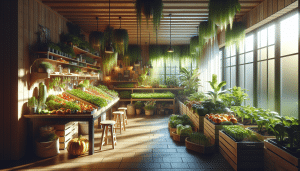
Regenerative gardening techniques that support biodiversity are reshaping how we think about outdoor spaces. This fast-rising trend isn’t just about beauty—it’s about building ecosystems that thrive. From improving soil to attracting pollinators, regenerative gardening is a must-know movement for 2025.
What Is Regenerative Gardening?
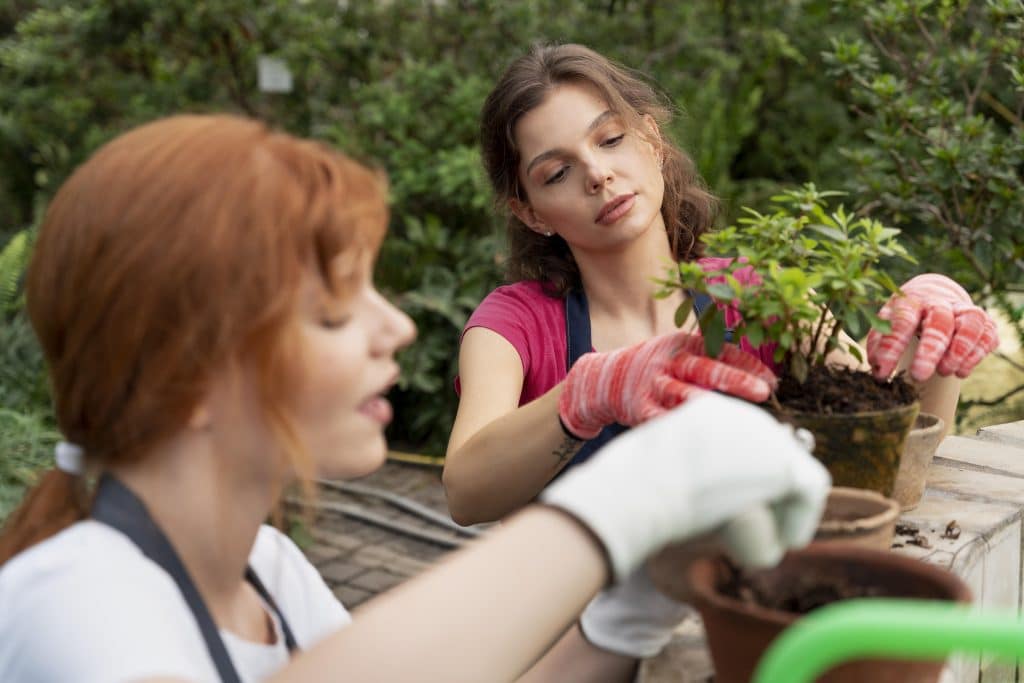
Regenerative gardening goes beyond traditional sustainability. It involves gardening practices designed to revive and enhance ecosystem functions like soil fertility, water retention, and wildlife presence. These gardens are dynamic systems—not static designs—where every plant, insect, microbe, and structure plays a role in ecosystem health.
The emphasis is on systems-thinking. Gardeners create living, evolving environments that improve over time, especially in areas where soil has been depleted or biodiversity lost.
Why It’s a Hot Gardening Trend in 2025
Gardeners are under growing pressure to be part of climate solutions. As biodiversity declines globally and local ecosystems suffer from chemical use and land clearing, many home gardeners are turning toward regenerative solutions.
Studies show native plantings in urban and suburban environments significantly increase pollinator and bird diversity (Salisbury et al. 2023). Meanwhile, multi-species planting (or polyculture) is proven to enhance soil carbon storage and reduce degradation (Zhou et al. 2023). These benefits go beyond aesthetics—they create climate-resilient gardens.
In fact, regenerative gardening was cited as one of the top five gardening trends for 2025 due to its soil-enhancing, wildlife-attracting capabilities (On The Grow 2024).
Core Regenerative Gardening Techniques That Support Biodiversity
1. Native Planting & Species Diversity
Native plants are keystone species in regenerative gardening. They require less maintenance, thrive without synthetic chemicals, and are crucial food sources for local insects and birds. Avoiding monocultures, gardeners now opt for layered diversity: trees, shrubs, perennials, and groundcovers all in one bed.
2. Soil Building & No-Till Methods
Regenerative gardeners focus intensely on soil health. Techniques include:
- Adding compost and organic matter
- Applying mulch to retain moisture and suppress weeds
- Avoiding tilling to protect mycorrhizal fungi and soil structure
Healthy soil becomes alive—with beneficial bacteria, fungi, and earthworms improving nutrient cycling and plant health.
3. Pollinator Zones and Meadowscaping
Gardeners are replacing lawns with pollinator strips, wildflower meadows, and “no mow” areas. These spaces are vital habitats for native bees, butterflies, and other insects.
Seed mixes for these zones are increasingly region-specific, using local wildflowers and grasses. Gardeners let plants go to seed and leave stems standing to create winter shelters for overwintering insects.
4. Rain Gardens & Water-Smart Design
Regenerative gardens often include:
- Rain gardens: shallow basins filled with moisture-loving native plants
- Swales and berms to slow runoff
- Greywater irrigation and permeable surfaces
These features reduce water waste and create wetland-like microhabitats for amphibians, insects, and even birds.
5. Companion Planting & Polycultures
Growing multiple species together improves pest resistance, attracts beneficial insects, and mimics natural ecosystems. Companion planting—like basil with tomatoes or dill near cucumbers—is regaining popularity due to its low-cost effectiveness and ecosystem support.
Polycultures reduce the dominance of pests and diseases, break up pest life cycles, and support a wider range of organisms above and below ground.
6. Reduced Chemical Inputs & Increased Wildlife Habitat
Organic practices and reduced pesticide use are now standards. Gardeners also:
- Build insect hotels
- Leave deadwood for beetles
- Add birdbaths and berry-producing shrubs
- Allow natural predators like ladybugs and lacewings to manage pests
Real-World Success: Case Studies & Scientific Support
In a recent urban greening study, researchers found that gardens with native plant layers supported 45% more species diversity compared to gardens with mainly ornamental non-natives (Salisbury et al. 2023).
A separate peer-reviewed study confirmed that increasing species richness in garden plots significantly increased both above-ground biomass and soil carbon sequestration (Zhou et al. 2023). These changes were measurable within just two growing seasons—demonstrating that small changes can make big environmental impacts.
Trend data also supports this shift: the gardening industry has seen a surge in demand for no-till tools, native seed mixes, and eco-certification for residential landscapes (On The Grow 2024).
Step-by-Step Guide to Starting a Regenerative Garden
1: Assess Your Space
- Map sun, shade, wind, and drainage areas
- Check soil quality and test pH
- Observe which species are already present (including weeds, insects)
2: Improve Soil
- Layer compost and mulch
- Avoid synthetic fertilizers
- Use cover crops in off-seasons
3: Choose Native & Diverse Plants
- Mix annuals, perennials, shrubs, trees
- Select plants that flower at different times to support pollinators year-round
- Add edibles where possible (herbs, berries, leafy greens)
4: Add Habitat Features
- Create a log pile or insect hotel
- Add bird feeders and bat boxes
- Leave leaf litter for overwintering insects
5: Reduce Chemical Inputs
- Embrace hand-weeding and mulch suppression
- Use companion planting to reduce pests
- Attract natural predators by planting flowering herbs like yarrow, fennel, or alyssum
6: Observe & Adapt
- Track insect diversity, soil moisture, plant health
- Adjust watering, spacing, or species as needed
- Celebrate biodiversity—even when it looks “messy”
Challenges Gardeners May Face
Access to Native Plants: Local supply may be limited. Solution: Join native plant societies or seed swaps. Grow from cuttings or seeds.
Weed Pressure in No-Till Beds: Initial stages may require hand weeding and thick mulch layers.
Water Management in Extreme Climates: In dry areas, water-holding soils and deep-rooted perennials are essential. In wet zones, rain gardens can buffer floods.
Education Gaps: Neighbors may see regenerative gardens as “overgrown.” Use signs or talk about ecological benefits to raise awareness.
The Future of Regenerative Gardening
The next frontier is climate-adaptive gardening—choosing species that will thrive under future conditions, not just current ones.
New developments include:
- AI-powered soil and biodiversity sensors
- Apps for selecting region-specific natives
- Public funding for converting lawns into pollinator zones
- More HOA and city ordinances encouraging biodiversity-friendly yards
In this context, regenerative gardening techniques that support biodiversity are not only a trend—they are an evolving framework for building resilient, life-supporting landscapes.
Conclusion
Regenerative gardening is about more than planting flowers—it’s about reviving ecosystems from the ground up. With soil improvement, native planting, water-smart features, and natural pest control, even small gardens can become powerful agents of biodiversity.
Adopting regenerative gardening techniques that support biodiversity is one of the most impactful choices gardeners can make in 2025. Start small, be patient, and let nature take the lead.
References
- Tartaglia, E.S., Aronson, M.F.J., et al. (2024) ‘Plant native: comparing biodiversity benefits, ecosystem services provisioning, and plant performance of native and non‑native plants in urban horticulture. Available at: https://link.springer.com (Accessed: 19 September 2025).
- Tian, Q., Zhang, X., Yi, H., et al. (2023) ‘Plant diversity drives soil carbon sequestration: evidence from 150 years of vegetation restoration in the temperate zone. Available at: https://www.frontiersin.org (Accessed: 19 September 2025).
- Smallwood, N.L. (2023) ‘The ecological role of native‑plant landscaping in residential yards: Residential yards landscaped with native plants provide important habitat for birds during the nonbreeding period. Available at: https://esajournals.onlinelibrary.wiley.com (Accessed: 19 September 2025).

 Wellness Practices That Boost Mental Clarity