Smart Home Gadgets That Make Daily Life Easier
Alexei Novak September 18, 2025
Smart home tech is now moving beyond “you control it” to “it anticipates you.” The rise of AI predictive smart home gadgets is reshaping how we live—automating routines you barely think about, improving security, and cutting energy waste. In this article we’ll explore what’s new, what to watch for, and how these gadgets can truly make daily life easier.
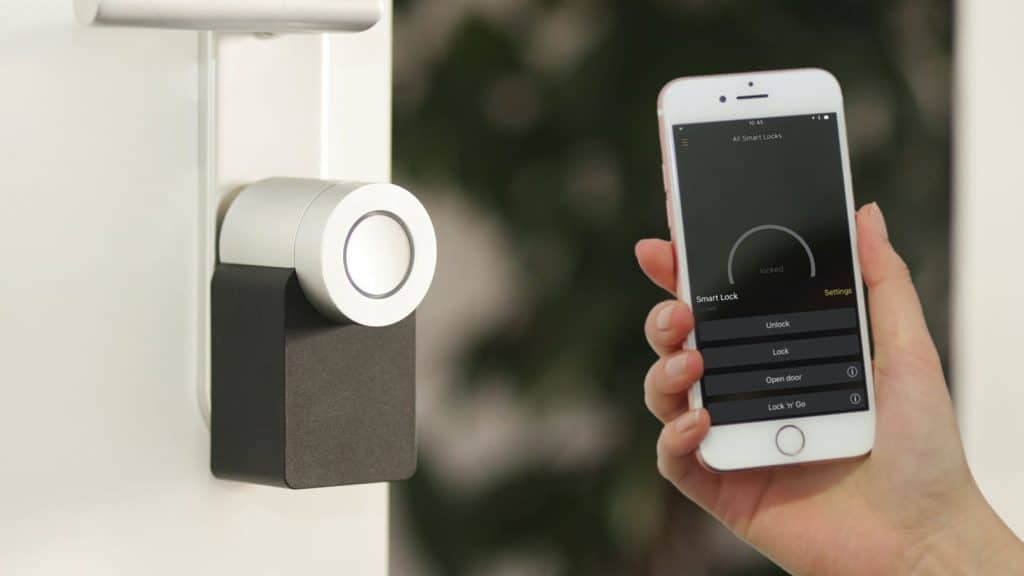
What are “AI predictive smart home gadgets”?
These are smart devices that don’t just follow your commands but learn from your behavior, preferences, and environment — then anticipate your needs. They use machine learning, sensor data, local or cloud-based AI, voice and gesture recognition, and pattern detection. Some even integrate with external data such as weather forecasts and calendars to make better predictions.
Why the trend is hot in 2025
Several factors are fueling this shift:
- The market for AI in smart home technology is expanding rapidly. In 2024 it was valued at around US15.3 billion, with forecasts projecting more than US100 billion by 2034, growing at a compound annual growth rate of about 21.3% (InsightAce Analytic 2025).
- Consumers demand not just convenience, but also energy efficiency and enhanced security. Predictive AI can provide all three (GearBrain 2025).
- New interoperability standards, such as Matter, are maturing, which allows devices from different brands to communicate more easily. This makes predictive systems more reliable and user-friendly (TechRadar 2025).
Key categories of gadgets using AI prediction
Here are the main areas where predictive AI is having the biggest impact:
Smart Thermostats and HVAC
These devices learn your schedule, adjust temperature settings before you arrive, and integrate weather forecasts to optimize energy use. This can reduce heating and cooling bills significantly while maintaining comfort.
Smart Lighting and Shades
Lighting systems now predict when you’ll enter a room, dim or brighten based on your routines, and adapt shades according to sun position. Some lamps even simulate sunrise to help regulate sleep cycles.
Security and Surveillance Systems
AI-driven cameras and doorbells no longer just detect motion—they recognize patterns, such as repeated movements near your property, and can differentiate between people, animals, and vehicles. This predictive analysis reduces false alarms and enhances peace of mind.
Appliances That Self-Maintain
Modern appliances are gaining predictive maintenance features. For instance, smart water purifiers can sterilize themselves every few days and send alerts when filters need replacing. Predictive upkeep prevents breakdowns and extends appliance life.
Smart Assistants and Robots
Beyond responding to voice commands, virtual assistants and household robots anticipate needs: reminding you about chores, detecting daily routines, or automatically starting cleaning cycles without being asked.
What to look for when choosing predictive smart home gadgets
When investing in these devices, consider:
- Local vs. Cloud AI – Gadgets that process data locally reduce privacy risks and respond faster than those relying solely on cloud servers.
- Data Privacy Controls – Users should confirm how data is collected, stored, and whether it can be deleted. Privacy concerns remain one of the biggest barriers to adoption (Springer 2025).
- Compatibility and Standards – Choosing products that support Matter and Thread ensures smoother integration with existing devices.
- Energy Efficiency – Predictive features should save more energy than the device consumes. Check efficiency ratings.
- User Control and Overrides – Automation should never remove control from the homeowner. Look for systems that allow easy overrides or manual adjustments.
Real-world benefits
- Less friction in daily life – Homes anticipate needs, so you no longer need to constantly adjust thermostats, lights, or locks.
- Lower energy bills – Heating, cooling, and lighting are optimized, saving significant amounts over time.
- Improved safety – Predictive surveillance systems can alert you before unusual activity escalates.
- Time savings – Automated chores and reminders reduce mental load, freeing up time for more important tasks.
Challenges and drawbacks
- Privacy risks – Predictive systems rely heavily on data, raising questions about surveillance and misuse.
- False predictions – No AI is perfect; devices may sometimes misinterpret routines and take unnecessary actions.
- Upfront costs – Predictive smart home gadgets often come at a premium price, though long-term savings may offset this.
- Cybersecurity threats – More connected devices mean more potential vulnerabilities. Secure software updates are critical.
Current examples available in 2025
- Samsung Bespoke AI Water Purifier – Self-sterilizing and predictive, with alerts for filter changes.
- Lifx Luna Smart Lamp – Offers zoned color control and predictive lighting schedules.
- Next-generation Nest Cams and Doorbells – Equipped with advanced AI that improves detection and reduces false alerts.
How to start building your predictive smart home
- Review existing devices – Note what smart systems you already have and whether they support standards like Matter.
- Choose a central hub – A smart assistant or hub with local AI capability is often the best “brain” for predictive automation.
- Start small – Begin with one domain, such as climate control or lighting, to see measurable benefits.
- Expand selectively – Add gadgets that provide predictive features with proven energy or time savings.
- Fine-tune routines – Let the devices learn, but use overrides and feedback to correct mistakes.
- Track results – Monitor comfort, energy savings, and security improvements to evaluate the value.
What’s next for predictive smart homes?
- On-device intelligence – Expect AI chips that process predictions locally, reducing cloud dependence.
- Deeper personalization – Gadgets may integrate with health trackers, calendars, and even car data to anticipate needs.
- Stronger regulation – Governments are beginning to shape privacy and data handling rules for smart homes.
- Sustainability integration – Predictive systems will increasingly tie into renewable energy sources, managing when homes draw power or use stored energy.
Conclusion
AI predictive smart home gadgets are becoming central to modern living. They reduce the need for constant input, save energy, and enhance security. The best approach is to choose devices that balance automation with privacy and reliability. As the technology matures, predictive homes will not just be convenient—they’ll be more sustainable and supportive of everyday life.
References
- InsightAce Analytic (2025) AI in Smart Home Technology Market Size, Share & Trends Analysis Report. Available at: https://www.insightaceanalytic.com (Accessed: 18 September 2025).
- GearBrain (2025) AI in Smart Homes: Security, Efficiency & Automation. Available at: https://www.gearbrain.com (Accessed: 18 September 2025).
- TechRadar (2025) Smart Home Devices: The Latest Trends. Available at: https://www.techradar.com (Accessed: 18 September 2025).

 Mental Health Techniques for Remote Workers