Secrets You Miss About Indoor Plants for Wellbeing
Valentina Marino November 25, 2025
Explore how indoor plants can transform any space at home, offering more than just beauty. This article reveals little-known insights about houseplants, their impact on indoor air quality, and proven steps to thrive in care and creativity.
Why Indoor Plants Matter More Than You Think
Indoor plants offer more than pleasant greenery. Research shows that simply adding greenery inside can boost your mood and create a calming ambiance. Houseplants are not just decorative—they’re allies in reducing stress, promoting a sense of wellbeing, and even helping with cognitive focus. Many plant lovers report feeling noticeably happier after introducing plant life into their living spaces. By making houseplants part of everyday life, a home can feel like a retreat from the demands of the outside world. From lush pothos to sturdy snake plants, adding natural elements indoors creates a visually appealing sanctuary with real psychological benefits (Source: https://www.ncbi.nlm.nih.gov/pmc/articles/PMC4419447/).
Placing houseplants strategically in different rooms ensures benefits are felt throughout the home. For example, a peace lily in the bedroom can add humidity and contribute to restful sleep. A resilient spider plant in the kitchen or living room isn’t just attractive; it also absorbs common toxins from the air. Besides aesthetic uplift, research suggests green spaces inside homes lead to greater satisfaction, especially for those working or studying remotely. There’s a connection between tending to plants and feeling restored—even a few minutes of care can act as a mindful break from screens and daily stressors (Source: https://www.tandfonline.com/doi/full/10.1080/09603123.2017.1415303).
The emotional link people create with plants can be surprising. The act of nurturing—even watering or cleaning leaves—encourages routine and patience. Children and adults learn responsibility and gentleness through plant care, forging a routine that’s both grounding and rewarding. In rental homes or small apartments, greenery gives warmth and a personal touch. Many people rediscover childhood memories thanks to the sensory experiences plants provide: scent, touch, and even taste. While styles and preferences vary, the underlying power of a thriving houseplant remains a universal comfort. The science and joy behind this green trend are more than just surface level; they’re deeply rooted in human wellbeing.
Improving Air Quality With Houseplants
Many houseplants do more than look good—they also act as natural air filters. Certain species, such as spider plants, Boston fern, and rubber plants, can effectively reduce indoor pollutants. These toxins include formaldehyde, benzene, and even volatile organic compounds (VOCs) released from furniture and cleaning products. NASA’s famous Clean Air Study highlighted how common indoor plants absorb these hazardous elements, making the air cleaner and safer to breathe. Adding a few potted friends isn’t just about style; it’s an easy way to encourage a healthier living environment (Source: https://ntrs.nasa.gov/citations/19930073077).
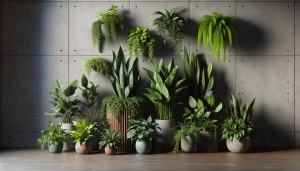
Not all houseplants work equally. Some thrive in low-light spaces, while others need direct sunlight. The choice should depend on the room and lifestyle. Snake plants, for example, can survive with less light and little water. They’re strong air purifiers and easy to maintain, ideal for busy people or those new to plant care. Ferns, meanwhile, prefer more humidity—a great match for bathrooms or kitchens. By understanding a plant’s preferred habitat, it’s possible to create the most effective indoor air-purifying team. The careful arrangement of plants can boost both visual and environmental harmony at home.
Additional strategies support the impact of houseplants on air quality. Regular dusting of leaves means there’s no blocking of their pores, ensuring efficient oxygen release and toxin absorption. Rotating plants around the house not only prevents leaf damage but also ensures even exposure to light and air circulation. Combining different species—such as peace lilies, pothos, and dracaenas—enhances air purification, as each tackles unique pollutants. By integrating these tips, anyone can maximize a plant collection’s positive impact and truly breathe easier indoors (Source: https://www.epa.gov/indoor-air-quality-iaq/indoor-plants-and-air-quality).
Secrets to Successful Indoor Plant Care
Growing lush, healthy plants indoors isn’t as mysterious as it seems. Successful indoor gardens begin by choosing plants suited to your home’s light and humidity. Start with resilient choices like pothos, snake plant, or ZZ plant, which tolerate some neglect and adapt easily. Read care instructions carefully—some plants dislike wet roots, others need frequent misting. Adjust watering and feeding based on visible signs such as leaf color, wilting, or growth patterns. Learning these easy routines takes less time than expected and makes a big difference in plant health and longevity (Source: https://www.rhs.org.uk/advice/profile?pid=709).
Lighting is essential but often misunderstood. While certain varieties survive without much sun, most indoor plants require indirect light. East- and west-facing windows usually work best for low-maintenance plants. Too much direct sunlight can burn leaves and cause fading, while too little will leave plants weak and leggy. Using sheer curtains, rotating pots, and even giving plants a summer vacation outside can mimic their preferred conditions. Observing how plants respond to specific spots can help fine-tune placement and ensure they thrive.
Proper soil and container choices matter. Select a well-draining pot and soil mix matched to the individual species. Ceramic or terra-cotta pots help regulate moisture, preventing root rot. Repotting every year or two provides fresh nutrients but also allows time to trim damaged roots and encourage new growth. Don’t forget about pests—regularly check leaves and soil for any problems like fungus gnats or spider mites. Early intervention keeps plants healthy, with natural solutions such as neem oil or a gentle water rinse often working well. Combining knowledge with patience creates the best conditions for a growing, vibrant indoor jungle.
Designing With Plants for Maximum Impact
Houseplants aren’t just for windowsills. Creative plant placement enhances home design and personal expression. Hanging baskets add greenery overhead, while vertical gardens or living walls turn empty walls into vibrant focal points. Grouping multiple plants in clusters creates layers of color and texture, making small areas look lush and lively. Low shelves or side tables can double as mini indoor jungles. For a dramatic statement, large plants like fiddle-leaf figs or monsteras serve as living sculptures that command attention. Every home, from studio apartments to spacious houses, has spaces begging for botanical style—often with surprisingly little effort or cost.
Color and texture offer endless creative opportunities. Pair bold-leaved plants with fine, grassy varieties for natural contrast. Mixing different shades of green—variegated leaves, pinstripes, and splashes—brings dynamism to flat interiors. Planters and pots become part of the decor, with ceramic, woven, or repurposed vessels providing unique charm. Matching pots to furniture or wall color ties the look together. Explore adding plant stands, macrame hangers, or even glass terrariums for variety and dimension without sacrificing floor space. Every arrangement tells a story and personalizes the living space (Source: https://www.gardeners.com/how-to/houseplant-decorating-ideas/8613.html).
Beyond aesthetics, design choices can enhance plant health and wellbeing. Plants positioned near windows (but not pressed against cold glass) often show the best growth. Rotate groupings occasionally, so each plant receives even light. Incorporate reflective surfaces—mirrors, bright paint, or tiles—to help distribute natural light deeper into rooms, benefiting plants and people alike. Even small touches, like moving a favorite plant to greet you at the entryway, can set a positive tone for the day. By blending creativity with practical care, indoor plants can shine as both wellness boosters and design highlights.
Common Challenges and How to Overcome Them
Even the most enthusiastic indoor gardeners face setbacks. Overwatering is common, leading to drooping leaves, root rot, or fungus. Using pots with drainage holes prevents moisture buildup. Establish a consistent watering schedule and use your finger to check soil dryness before adding more water. If leaves turn yellow or brown, re-examine the light and humidity in the area. Houseplants don’t always need fertilizer—stick to slow-release formulas and avoid overfeeding, especially in winter months when growth slows. Recovery is possible for almost any plant with patience and slight adjustments in care (Source: https://hgic.clemson.edu/factsheet/indoor-plants-care-and-cleansing/).
Pests and diseases sometimes show up uninvited. Look out for sticky residue, discolored leaves, or webbing, which can mean insects are present. For minor infestations, wipe leaves gently with a damp cloth or spray plants with mild soapy water. Isolate new or affected plants to prevent the spread of issues. Consistent air circulation, avoiding overcrowding, and regular cleaning drastically lower the risk of mold and pests. With early detection and a gentle approach, most problems are easy to manage, keeping your indoor jungle thriving.
Another obstacle is the change of seasons. Plants may react to less sunlight in winter by shedding leaves or slowing growth. Move pots closer to windows, reduce watering, and increase humidity using trays or misting. Conversely, summer heat or more intense sun might require shifting plants out of direct rays and watering slightly more. Regular observation, adjusting care by season, and researching the specific needs of each plant species are the best ways to support year-round growth. Persistence and tune-ups ensure plants continue to provide joy all year long.
The Unexpected Benefits of Indoor Gardening
Beyond beauty and air-purifying properties, houseplants foster creativity. Arranging, pruning, and propagating plants require thoughtful decisions, offering a creative outlet that’s both relaxing and rewarding. Many plant lovers find that caring for greenery teaches lessons about patience, resilience, and mindfulness. These skills transfer into other parts of life—problem-solving, work productivity, and stress management all benefit from a gentle focus on nurturing living things indoors.
Social connections grow too. Communities and online groups give plant enthusiasts opportunities to exchange cuttings, care tips, and stories. Local workshops and plant swaps encourage people to share their experiences and learn from each other. For families, introducing children to houseplant care builds lasting knowledge of science, ecology, and cooperative responsibility. Plants frequently become icebreakers or focal points in conversations with guests, adding a subtle but meaningful dimension to home life.
Indoor gardening’s holistic benefits may surprise many. Studies suggest that engaging with plants can reduce feelings of loneliness and increase overall happiness. The act of tending to a living organism taps into deep-rooted instincts, creating a sense of accomplishment and comfort. Whether it’s a single thriving aloe on the desk or a spectacular living wall, the sense of satisfaction and pride strengthens daily. In a fast-paced digital world, indoor plants gently remind us to pause, observe, and breathe—turning every home into a sanctuary of wellness and creativity (Source: https://www.extension.psu.edu/benefits-of-indoor-plants).
References
1. Bringslimark, T., Patil, G. G., & Hartig, T. (2009). The psychological benefits of indoor plants: A critical review of the experimental literature. Retrieved from https://www.ncbi.nlm.nih.gov/pmc/articles/PMC4419447/
2. Park, S. H., & Mattson, R. H. (2018). Effects of indoor plants on health and discomfort symptoms. International Journal of Environmental Research and Public Health, 15(9), 2085. Retrieved from https://www.tandfonline.com/doi/full/10.1080/09603123.2017.1415303
3. Wolverton, B. C., Douglas, W. L., & Bounds, K. (1989). A study of interior landscape plants for indoor air pollution abatement. NASA. Retrieved from https://ntrs.nasa.gov/citations/19930073077
4. U.S. Environmental Protection Agency. (n.d.). Indoor plants and air quality. Retrieved from https://www.epa.gov/indoor-air-quality-iaq/indoor-plants-and-air-quality
5. Royal Horticultural Society. (n.d.). Houseplant care. Retrieved from https://www.rhs.org.uk/advice/profile?pid=709
6. Penn State Extension. (n.d.). Benefits of indoor plants. Retrieved from https://www.extension.psu.edu/benefits-of-indoor-plants

 You Can Decode Stock Market Trends With These Practical Methods