You Won’t Believe These Low Maintenance Houseplants
Valentina Marino November 1, 2025
Curious about transforming your indoor garden with minimal effort? Discover resilient, beautiful houseplants perfect for every home, and explore easy care tips, pet-safe varieties, and thriving in low-light spaces. Embrace this guide to low maintenance houseplants and set up a fresh, green haven indoors.
Why Low Maintenance Houseplants Are So Popular
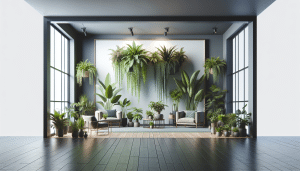
Low maintenance houseplants are capturing attention for good reason. Not only do they brighten up indoor spaces, but they also simplify plant care for busy individuals. Many people want the lush appeal of greenery at home without juggling complex watering schedules or worrying over light requirements. This guide explores what makes these plants so special, focusing on how they fit seamlessly into modern homes. The trend highlights how easy-care varieties can improve air quality and mood while asking little in return. If convenience is a priority, selecting these plants can be a game changer for home décor and wellbeing.
Another appealing factor for low maintenance houseplants is their variety. Options exist for nearly every situation—small spaces, dim apartments, or even offices where sunlight is scarce. Popular selections like snake plants, pothos, and ZZ plants handle neglect surprisingly well. Their adaptive nature means they forgive missed watering and keep growing with little fuss. This flexibility is why both beginners and experienced plant owners frequently turn to them for reliability and charm. The ability to mix and match different species, while ensuring minimal care, is an added benefit.
Additionally, low maintenance houseplants often thrive in a range of conditions, making them ideal for those new to plant care. These plants support healthier indoor environments by filtering toxins and increasing humidity. Providing simple greenery is no longer just a design choice—it also promotes a more relaxed lifestyle. With such compelling advantages, it’s no surprise these houseplants keep gaining ground in the world of home and garden trends. Read more to learn how to select and nurture these persevering indoor plants.
Best Choices for Low Maintenance Indoor Plants
Some houseplants stand out for tolerating a range of living conditions. Snake plants are forgiving and tolerate low light and irregular waterings. ZZ plants are also renowned for enduring dry spells and low-light spots. Both add striking foliage to any interior and require little more than occasional watering and monthly feeding. These species are often recommended by horticultural experts for those looking to cultivate a green thumb with minimal risk of failure (https://hgic.clemson.edu/factsheet/houseplants-care-and-selection/).
Pothos, sometimes called devil’s ivy, is celebrated for rapid growth and beautiful trailing vines. Even if neglected for a week or two, this vine keeps its lush leaves. Spider plants are another trustworthy choice; they not only survive neglect but also propagate easily for sharing with friends. These plants thrive in a variety of containers—making them a flexible design choice for shelves, window sills, or hanging baskets. Explore pothos or spider plant options if your home has occasional light or watering challenges.
Peace lilies and cast iron plants round out the selection of easy-care favorites. Peace lilies purify air efficiently and handle limited sunlight. The cast iron plant, true to its name, survives challenging environments and fluctuating temperatures. Both add elegance to living spaces, with minimal ongoing care. Opting for one or several of these hardy houseplants can create an attractive, stress-free urban jungle indoors regardless of busy schedules or unpredictable routines.
Pet-Safe Houseplants for Worry-Free Greenery
Many plant owners prioritize pet safety when choosing houseplants. Non-toxic options like spider plants and Boston ferns minimize risk if dogs or cats are curious nibblers. These selections offer the dual benefit of easy care and peace of mind for households with pets. Resources from reputable animal welfare organizations guide plant lovers to avoid common varieties like lilies or philodendrons if pets are present (https://www.aspca.org/pet-care/animal-poison-control/toxic-and-non-toxic-plants).
Calathea and parlor palm are other resilient, pet-friendly plants that tolerate occasional neglect. They also adapt to low light and medium humidity conditions, making them suitable for a range of room environments. Peace lilies, while great for purifying air and easy to maintain, are not pet-safe. Always double-check plant toxicity before bringing new greenery into homes with animals. Looking up plant names in trusted databases can prevent accidental pet exposure.
For those balancing houseplant hobbies and animal care, pet-safe options increase home tranquility. Keeping a list of approved low maintenance houseplants is a practical approach. Many families enjoy expanding their collection, experimenting with shapes and textures, and keeping a vibrant green corner worry-free. This creates an inviting environment—not just for people, but for pets too. Responsible selections protect the well-being of all family members.
How to Care for Indoor Houseplants with Ease
Understanding the core needs of easy-care houseplants sets the stage for healthy growth. Most low maintenance varieties prefer soil that is allowed to dry out before watering again. Overwatering is a common cause of plant stress, especially for snake plants and succulents. Consistent lighting—either indirect or filtered sunlight—is also essential. Using the finger test (inserting a finger into the soil to check moisture) remains a simple yet reliable watering guide (https://extension.umn.edu/houseplants/houseplant-watering).
Another essential care tip is choosing well-draining pots. Many experts recommend placing a layer of pebbles or using planters with holes to prevent water from accumulating at the bottom. This reduces root rot risk and keeps the plant’s base healthy. Fertilizer is largely optional for hardy plants—feeding during active growth seasons is usually enough. Emphasis on proper drainage, light monitoring, and soil selection simplifies the experience even more. Routine dusting of leaves also allows for better light absorption and cleaner indoor air.
For households juggling multiple responsibilities, automated watering globes or self-watering pots can be practical. These tools help prevent dehydration during vacations or busy workweeks. Pairing practical watering solutions with regular observation creates an easy-to-maintain routine. Leaf yellowing, limpness, or visible pests are key signs plants need attention. This gentle hands-off approach empowers anyone to enjoy greenery, even if they haven’t mastered traditional gardening skills.
Thriving in Low Light: Indoor Plant Survival Tips
Many urban homes face the challenge of limited sunlight. Fortunately, numerous houseplants thrive under artificial or indirect light. Snake plant, ZZ plant, and cast iron plant are prime choices, tolerating even north-facing rooms or shaded corners. Positioning plants strategically—three to five feet from a window—maximizes the limited light available. Regularly rotating pots ensures uniform leaf growth and prevents leaning toward the window (https://web.extension.illinois.edu/houseplants/lighting.cfm).
If even ambient sunlight is scarce, consider using LED grow lights designed for indoor gardening. These mimic natural sun and are safe for most low maintenance plants. Timers on these lights automate exposure and reduce manual monitoring. Some plants adapt so well to low light that moving them to brighter spots occasionally triggers new growth. Understanding the needs of each species helps maintain resilience even with inconsistent lighting conditions.
Challenging lighting doesn’t have to mean lackluster plant displays. Mixing low light performers with reflective surfaces, such as mirrors, can boost the overall brightness of a room. White walls or lightly colored décor help, too. The result: a healthy, robust indoor plant collection that adapts to apartment living or shaded houses. This strategy ensures greenery at home, regardless of outdoor conditions or window placement.
Benefits Beyond Beauty: Houseplants for Wellness
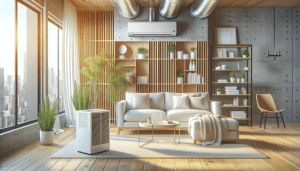
The appeal of indoor houseplants extends far beyond aesthetics. Studies suggest that even low maintenance plants can purify air, absorb toxins, and increase indoor humidity. This contributes to easier breathing and improved cognitive function, making houseplants a valuable choice for work or relaxation spaces. Clean air and reduced allergens are just the beginning of their positive impact (https://www.ncbi.nlm.nih.gov/pmc/articles/PMC6073405/).
In addition to physiological benefits, houseplants can elevate mood and reduce stress. Observing greenery triggers relaxation responses, lowering blood pressure and fostering a sense of calm. Studies have shown that nurturing plants—especially those that don’t demand much attention—builds confidence and a sense of accomplishment. This interconnection between home environment and emotional wellness fuels current indoor gardening trends.
Research by universities and wellness institutes reinforces that just a few resilient plants can make a difference. Consultation with horticulture experts or local extension offices can reveal which varieties suit homes best, based on air circulation, light, and available space. By investing in low maintenance houseplants, individuals can create a sanctuary that heals and inspires in subtle yet profound ways.
References
1. Clemson Cooperative Extension. (n.d.). Houseplants: Care and Selection. Retrieved from https://hgic.clemson.edu/factsheet/houseplants-care-and-selection/
2. ASPCA. (n.d.). Toxic and Non-Toxic Plants List. Retrieved from https://www.aspca.org/pet-care/animal-poison-control/toxic-and-non-toxic-plants
3. University of Minnesota Extension. (n.d.). Houseplant Watering. Retrieved from https://extension.umn.edu/houseplants/houseplant-watering
4. University of Illinois Extension. (n.d.). Lighting for Houseplants. Retrieved from https://web.extension.illinois.edu/houseplants/lighting.cfm
5. Satish, U., Mendell, M.J., Shekhar, K., et al. (2012). Is CO2 an Indoor Pollutant? Direct Effects of Low-to-Moderate CO2 Concentrations on Human Decision-Making Performance. Environmental Health Perspectives. Retrieved from https://www.ncbi.nlm.nih.gov/pmc/articles/PMC6073405/
6. University of Maryland Extension. (n.d.). Houseplants. Retrieved from https://extension.umd.edu/resource/houseplants

 Surprising Signs You Might Have Chronic Inflammation