You Won’t Believe How Easy Indoor Plants Can Be
Valentina Marino October 17, 2025
Discover how you can transform any space with indoor plants, no matter your experience level. This guide sheds light on care tips, air purification benefits, and simple ways to keep your home flourishing all year.
The Surprising Benefits of Indoor Plants
Many people overlook just how powerful indoor plants can be in improving daily life. Not only do they add greenery and beauty to any environment, but they also deliver significant health benefits. Having houseplants in your home can actively purify the air by removing common toxins, making it safer and more comfortable. Research shows that certain indoor plants such as spider plants, peace lilies, and pothos help reduce pollutants, which may enhance breathing quality and overall wellness. Incorporating a few low-maintenance varieties can make a meaningful difference with minimal effort. A touch of nature indoors can be more transformative than expected.
Indoor plants offer mental and emotional wellness perks too. When surrounded by lush foliage and colorful leaves, many individuals report lowered stress and improved moods. The visual tranquility from well-cared-for greenery creates a sense of relaxation—perfect after long workdays. Space feels more dynamic and inviting, encouraging people to unwind and recharge. Studies increasingly link plant care to reduced anxiety and better focus, suggesting it could uplift productivity for remote workers or students. Indoor gardening is a rewarding ritual that nurtures not just plants, but also peace of mind.
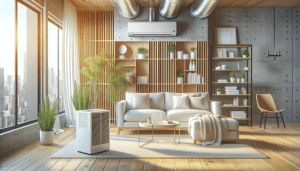
The best part? Indoor plants introduce subtle humidity to air that can be dry from heaters or AC use. This natural moisture balance may help with skin, sinuses, and even sleep comfort. With just a few pots placed around living areas, everyday living becomes more comfortable. That’s why so many people now view houseplants as an essential home upgrade—one that delivers beauty and wellness in one friendly package. Explore which species make sense for different rooms and let your living spaces flourish.
Choosing Low-Maintenance Houseplants for Any Space
Selecting the right houseplants for your home doesn’t have to be overwhelming. Think about how much natural light fills your rooms—sunny windows or darker corners call for different plant types. For beginners, popular options like the snake plant, ZZ plant, and philodendron are excellent choices. They thrive with minimal care and adapt well to various lighting. Many of these plants also tolerate occasional forgetfulness, making them a smart pick for busy or first-time plant owners. The goal is to match plant traits with your lifestyle for effortless success.
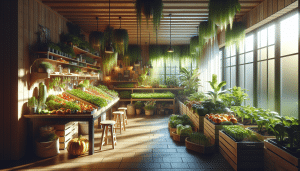
Consider your home’s unique atmosphere when making selections. If humidity hovers on the lower side, opt for plants like succulents or cacti that happily withstand dry conditions. For rooms that stay a bit damp—like bathrooms or kitchens—look at ferns, pothos, or peace lilies. These species appreciate extra moisture and have attractive, lush leaves. Don’t overlook trailing plants either; hanging baskets with philodendron or spider plants can make use of vertical space and add instant style. Explore different leaf shapes and sizes to bring in variety and personality.
Pet safety is also important when choosing what to grow. Many common houseplants are safe for homes with cats and dogs, but some—including lilies, dieffenbachia, and certain ivies—may be toxic if nibbled. The ASPCA and university extension services provide comprehensive lists of non-toxic plants for households with animals. When in doubt, select options like areca palms, Boston ferns, or calatheas, which are generally safe and easy to care for. Pick what excites you, and let your new indoor garden flourish at your pace.
Secrets to Easy Indoor Plant Care
Keeping indoor plants thriving can be simpler than it looks. Start with the basics: Light, water, and soil. Most popular indoor plants need bright, indirect sunlight. Too much direct sun may scorch leaves, while too little can stunt growth. Experiment with locations and monitor how each variety responds. Consider rotating your pots every couple of weeks so growth remains even and attractive. Use containers with drainage holes to prevent soggy soil and root rot—one of the biggest enemies of happy plants.
Watering is another area where many plant enthusiasts get tripped up. Too much water is often more harmful than too little. For most houseplants, allow the top inch of soil to dry before watering again. Succulents and cacti prefer longer dry spells, while ferns and peace lilies will wilt if neglected. Use room-temperature water to avoid shocking roots, and empty saucers beneath pots so roots don’t sit in excess moisture. It’s helpful to set reminders or build plant care into weekly routines for consistency.
Quality potting mix plays a big role in plant health. Choose a soil blend designed for your plant types (all-purpose for leafy greens, cactus mix for succulents). Fertilize sparingly—most indoor plants only need mild feeding during active growth seasons, like spring or summer. Too much fertilizer can burn roots. Dust leaves occasionally with a damp cloth to boost photosynthesis and keep them looking their best. Remember: patience and observation are your best tools. Plants show their needs over time, rewarding attentive care with new growth and vibrant leaves.
Creative Ideas for Indoor Plant Displays
Once you’ve selected and learned how to care for your indoor plants, the fun part really begins—displaying them! Houseplants look stunning grouped in clusters on a coffee table, bookshelf, or windowsill. Play with height by mixing tall snake plants with trailing vines and petite succulents. Unique pots, baskets, or even upcycled containers add personal flair and allow you to coordinate plant displays with your décor theme. Plant stands and tiered shelves can maximize small spaces and help sunlight reach every plant evenly.
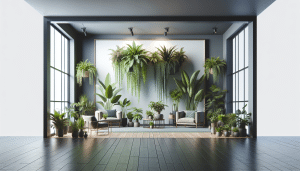
Vertical gardening is a trendy way to showcase greenery without sacrificing floor space. Hang trailing plants like pothos or string-of-pearls from wall hooks or macramé hangers for dramatic effect. Try a living wall panel filled with pockets of herbs or ferns, turning an empty wall into a vibrant statement piece. Small floating shelves are perfect for lining windows with sun-loving succulents or African violets. Even tiny apartments or studios can create lush, living corners with these creative arrangements.
Mixing textures and leaf colors brings life and movement to every room. Variegated foliage contrasts boldly with deep green or burgundy leaves, while blooms provide pops of color. For a unified look, choose pots in similar colors or materials; for eclectic style, combine different finishes and shapes. Some people even use glass cloches, terrariums, or repurposed jars for a whimsical touch. The joy is in experimenting—every collection of indoor plants reflects personal taste and can easily evolve over time.
Solving Common Houseplant Problems
Even the most careful indoor gardeners face the occasional plant problem. Yellowing leaves, droopy stems, or brown tips can all point to overwatering, underwatering, or insufficient light. Assess environmental factors first: Is the plant receiving drafts or too much sun? Does the pot have proper drainage? Adjust one variable at a time and observe how the plant reacts over a week or two. Most issues are easy to fix with small changes in placement or routine, but patience is key.
Pests are another concern, especially for densely grouped plants. Check leaves regularly for spider mites, aphids, or fungus gnats. Wipe leaves with soapy water, isolate affected plants, and remove dead foliage to keep infestations at bay. Avoid over-fertilizing, which can attract pests and promote weak growth. Ensure enough airflow by not overcrowding pots and by occasionally opening windows on mild days. Healthy plants naturally resist pests more effectively, so focus on consistent, gentle care.
If a plant looks tired despite troubleshooting, consider repotting. Roots may be cramped or soil depleted. Choose the next pot size up, gently loosen root balls, and replenish with fresh potting mix. Spring is often the best time for repotting and gives plants room for new growth. Remember, every plant experiences occasional setbacks—it’s all part of the learning process. Your indoor garden will thrive with regular attention and love, leading to healthier, more resilient plants in every corner.
Maximizing Plant Potential with the Right Tools
The right tools can make indoor plant care efficient and enjoyable. A spray bottle, clean pruning shears, and moisture meter are handy basics for every plant owner. These tools help deliver precise care, from misting leaves to preventing over- or underwatering. Humidity trays or small humidifiers benefit tropical species that crave moist air, while grow lights can supplement natural sunlight in dim spaces. Upgrade as your indoor collection grows, adding specialized care tools for advanced projects like propagation or pest management.
Many gardening resources and extension centers offer detailed advice and troubleshooting guides for houseplant lovers. Explore online plant communities, university outreach pages, and cooperative extension articles for region-specific advice and science-backed information. By learning from trusted organizations, growers can avoid common pitfalls and access expert-level tips. Local classes or plant swaps are another way to meet other enthusiasts and gain new perspectives, making indoor gardening a lifelong learning journey.
Gathering the right supplies also makes plant care less stressful. Potting soil, clean water sources, quality fertilizer, and containers are small investments that support lush growth. Labels or plant journals can help track watering and feeding. As care routines become familiar and effortless, your indoor jungle gains vibrancy and resilience. Investing in basic tools up front pays off for busy lifestyles and helps create a seamless plant care experience. Watch your green oasis thrive with just a bit of regular attention and the right resources at hand.
References
1. National Aeronautics and Space Administration. (n.d.). NASA Clean Air Study. Retrieved from https://ntrs.nasa.gov/citations/19930073077
2. American Society for Horticultural Science. (2020). The influence of houseplants on indoor air quality. Retrieved from https://ashs.org/resource/resmgr/docs/HouseplantAirQuality.pdf
3. American Society for the Prevention of Cruelty to Animals. (n.d.). Toxic and Non-Toxic Plants List. Retrieved from https://www.aspca.org/pet-care/animal-poison-control/toxic-and-non-toxic-plants
4. North Carolina State University Extension. (n.d.). The basics of indoor plants care. Retrieved from https://content.ces.ncsu.edu/houseplants
5. PennState Extension. (n.d.). Indoor Plant Care Guide. Retrieved from https://extension.psu.edu/care-of-indoor-plants
6. Texas A&M AgriLife Extension. (2021). Houseplant Troubleshooting. Retrieved from https://agrilifeextension.tamu.edu/library/gardening/houseplants-2/

 Ways You Can Navigate Debt Relief and Credit Rebuilding