You Can Transform Small Spaces With Vertical Gardens
Valentina Marino October 14, 2025
Explore how vertical gardens unlock new possibilities for even the tiniest home or apartment. This guide reveals simple ways to boost greenery, maximize airflow, and add value to your living space with proven, easy-to-maintain vertical gardening solutions.
The Vertical Garden Advantage for Your Home
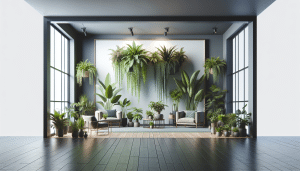
Many people dream of lush gardens but struggle with limited space. Vertical gardening offers a unique solution by allowing greenery to grow upwards rather than across the floor. These installations can fit balconies, patios, tiny yards, and even indoor corners. Maximizing space, vertical gardens don’t just provide more plants—they create green focal points that transform interiors and exteriors alike. Choosing the right system, such as pocket planters, wall trellises, or stacked pots, can make a dramatic impact. Not only do they beautify a home, but these gardens can improve indoor air quality as well, offering a fresher and healthier climate indoors, according to the U.S. Environmental Protection Agency (https://www.epa.gov/indoor-air-quality-iaq/inside-story-guide-indoor-air-quality).
One important benefit to highlight is the sense of well-being that greenery can bring. Vertical gardens are associated with reduced stress and enhanced mood. By incorporating living walls and vertical plant displays, homes become retreats of relaxation and cheerfulness. Several studies have shown that engaging with indoor plants and gardening tasks enhances daily satisfaction and reduces anxiety, making vertical gardens a dual-purpose addition that boosts both aesthetic appeal and mental health. People often find even a small number of vertical garden plants offer unexpected comfort every day.
Vertical gardening also increases your property value. Design experts note that well-placed green features create a memorable first impression for visitors and prospective buyers alike. These garden systems are flexible—with the right plant choices and a bit of creativity, homeowners can experiment season after season. Even renters can enjoy vertical gardens, as many systems are modular and portable. Eco-friendly choices, such as using recycled pockets or repurposed wooden pallets, can further enhance the environmental benefits and make vertical gardens more accessible to all types of households.
Simple Designs for Every Space
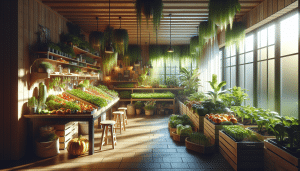
Starting a vertical garden can be as straightforward or elaborate as you wish. For tight spots, wall-hanging planters or stackable pots work wonders. Some prefer using trellis structures or grids, allowing for customizable configurations and freedom to mix plant species. Indoors, vertical herb gardens bring freshness and flavor close to the kitchen, while outdoor versions add privacy, shade, and cooling. Even a sunny bathroom can accommodate humidity-loving ferns or orchids in a vertical display. The flexibility of these gardens means that anyone can create a green wall, regardless of their available floor area or sunlight conditions.
Reusing everyday materials is encouraged. Wooden pallets, old ladders, shoe organizers, or recycled soda bottles become plant pockets in the hands of creative gardeners. This approach blends sustainability with style, transforming overlooked items into personalized garden features. String succulents, trailing vines, or aromatic herbs all thrive in these bespoke containers. The result? A living piece of art that reflects both ecological awareness and individual taste, for significantly less than traditional garden installations.
Selecting the right plants is crucial. Fast-growing, compact species such as pothos, ferns, spider plants, and strawberries work well for vertical displays. Consider sun exposure, watering needs, and the weight your chosen structure can support. Updating designs with the seasons keeps the space lively—summer flowers one month, hardy greens the next. Good planning and regular care ensure that your vertical garden thrives through every change, making it a year-round joy rather than a temporary decoration.
Low-Maintenance, High-Reward Plants
Many newcomers worry about the upkeep of vertical gardens. The good news: abundant options exist for those seeking low-maintenance plants. Hardy succulents, snake plants, air plants, and certain herbs demand little water or fuss, making them ideal for busy people or first-time gardeners. Compact flowering varieties, such as begonias and pansies, add color without requiring regular attention. According to research by the University of Florida, selecting resilient plant species can substantially reduce time spent on care while ensuring lasting garden health (https://edis.ifas.ufl.edu/publication/EP465).
Smart watering is the secret to easy vertical garden maintenance. Self-watering planters, drip irrigation systems, and moisture-retaining soil blends all help. Vertical gardens dry out faster than ground beds, so consistent watering is key. Many people solve this by installing a top-down watering system or using water reservoirs within planters. These choices provide peace of mind for travelers or those who may forget regular watering routines.
Fertilizing and pruning are minimal with the right setup. Slow-release fertilizers nourish plants over time, minimizing tasks. Routine snipping of yellowing leaves or faded flowers keeps the display tidy and promotes new growth. Creating and following a care schedule—perhaps a quick weekly check—ensures issues are caught early. As the Rutgers Master Gardener program points out, routine attention, rather than intensive care, is the secret to flourishing vertical gardens (https://njaes.rutgers.edu/fs1207/).
Indoor Air Quality and Personal Well-Being
There’s growing awareness of how plants can influence indoor air quality. NASA research has shown that many popular vertical garden plants remove common toxins like benzene and formaldehyde from the air. Clean air has a measurable impact on health, including better sleep, fewer headaches, and improved concentration. Establishing a vertical garden in bedrooms, living areas, or workspaces introduces this air-purifying power without sacrificing space (https://ntrs.nasa.gov/citations/19930073077).
Beyond cleaner air, vertical gardening can positively affect emotional well-being. Tending and observing plants is associated with lower stress levels and greater feelings of peace. The process of nurturing living things—watering, pruning, rearranging—can be soothing and meditative. For families, even children benefit from hands-on garden care, building responsibility and connection with nature in the process according to the American Horticultural Society (https://ahsgardening.org/gardening-resources/gardening-with-kids/).
Creative vertical gardens stimulate the mind. Mixing scents, textures, and colors provides constant visual interest. For apartments where outdoor access is limited, vertical arrangements bring the delight of changing seasons indoors. Incorporating edible plants such as mint, basil, or lettuce adds flavor and nutrition to daily meals. In this way, vertical gardens serve double-duty, nurturing both body and spirit while complementing interior décor.
DIY Vertical Garden Projects
Building a vertical garden is accessible, even for beginners. Many step-by-step guides are available through horticultural extension services and reputable garden organizations. Common setups include pocket planters, stacked crates, or wire mesh frames mounted on walls. Essential tools are few: sturdy hooks, level, measuring tape, and a drill will suffice. Safety is crucial when mounting larger installations; ensure anchors are secure and can hold the potential weight of mature plants and wet soil.
Starting on a small scale is often best. Try one bookshelf-sized planter to test sun and water conditions. Expand after observing which plants thrive quickest. Swapping plants between outdoor and indoor vertical gardens helps rotate crops, making the most of growing seasons. Success stories abound online—gardeners of all experience levels share project tips, inspiring designs, and troubleshooting guidance. Local garden clubs or extension offices often provide workshops or phone consultations for personalized advice (https://extension.umn.edu/how/grow-vertical-gardens).
Materials may be sourced affordably through upcycling or community resource centers. Some opt for starter kits from garden suppliers, while DIY enthusiasts construct frames from scratch. Evaluate wall strength and start with lightweight soil mixes for safety if gardening vertically indoors. As experience grows, bigger or more technically advanced garden walls become possible. With patience and creativity, any home can introduce a stunning living tapestry, one vertical row at a time.
Practical Tips and Common Mistakes to Avoid
Success with vertical gardens starts with thoughtful planning. Always match plants to lighting, moisture, and temperature in your space. If indoors, pick species suited to lower light. Avoid plastic planters that overheat in direct sun. Check for water pooling at the base, as excess moisture can lead to root rot. Good airflow helps prevent mildew and keeps plants healthy. The Royal Horticultural Society advises regular rotation of planters and close monitoring of structural integrity, especially after heavy rainfall (https://www.rhs.org.uk/preparations/vertical-gardening).
Overcrowding plants is a common misstep. Allow sufficient room for each plant to mature and airflow to circulate. When in doubt, space wider apart and add more later. Watch out for pests—vertical gardens are sometimes more susceptible to aphids or mites. Early intervention with eco-friendly controls keeps problems in check. Frequent inspections prevent tiny issues from escalating into major losses.
Don’t forget to factor in the weight of plants, soil, and water. Overloading walls or light shelving can lead to failure. Consulting a guide or structural expert for ambitious projects is wise. Finally, embrace experimentation—gardening is a learning process. Mistakes happen, but each season can bring improvements, resilience, and a more lush, beautiful result for every space, big or small.
References
1. U.S. Environmental Protection Agency. (n.d.). The Inside Story: A Guide to Indoor Air Quality. Retrieved from https://www.epa.gov/indoor-air-quality-iaq/inside-story-guide-indoor-air-quality
2. University of Florida IFAS Extension. (2023). Vertical Gardening in Florida. Retrieved from https://edis.ifas.ufl.edu/publication/EP465
3. Rutgers New Jersey Agricultural Experiment Station. (2018). Vertical Gardens: Growing Up in Small Spaces. Retrieved from https://njaes.rutgers.edu/fs1207/
4. NASA. (1989). Interior Landscape Plants for Indoor Air Pollution Abatement. Retrieved from https://ntrs.nasa.gov/citations/19930073077
5. American Horticultural Society. (n.d.). Gardening With Kids. Retrieved from https://ahsgardening.org/gardening-resources/gardening-with-kids/
6. University of Minnesota Extension. (2021). Grow Vertical Gardens. Retrieved from https://extension.umn.edu/how/grow-vertical-gardens

 Discover Hidden Benefits of Bilingual Education