Interior Design Solutions That Maximize Comfort
Valentina Marino October 10, 2025
In 2025, interior design solutions that maximize comfort prioritize cozy aesthetics, smart technology, and sustainable materials to create inviting, functional living spaces. These solutions align with trends in wellness-focused homes, biophilic design, and adaptive environments, ideal for families, remote workers, or anyone seeking a nurturing home. Building on prior insights from functional decor and smart home devices, this article explores six actionable design solutions to enhance comfort, incorporating short breaks for sustained planning energy, with practical steps and current references as of October 10, 2025.
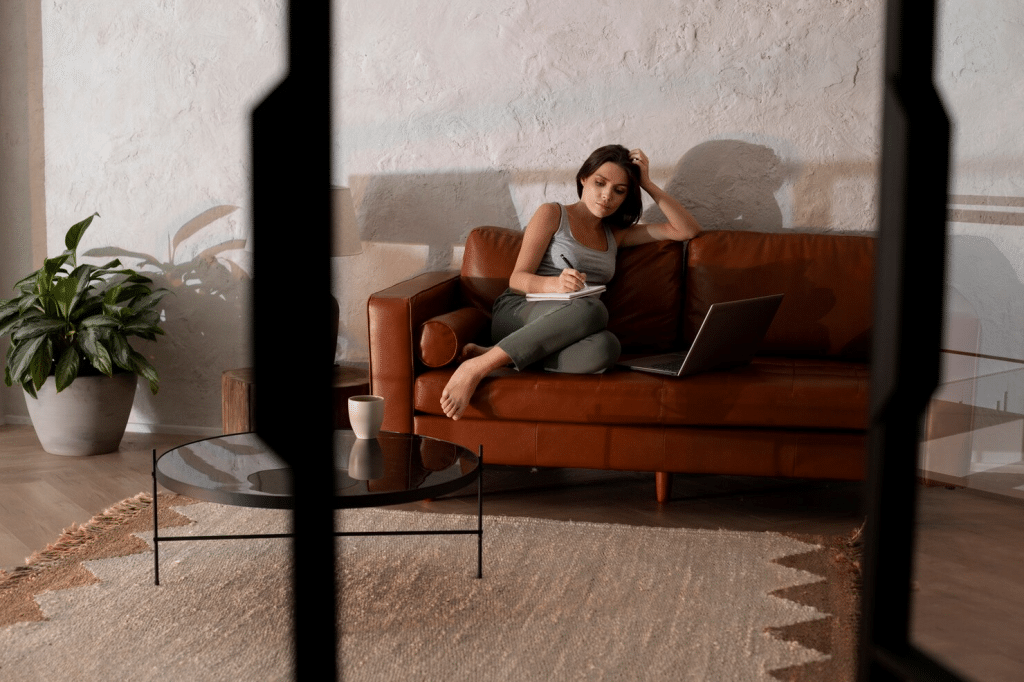
Why Comfort-Focused Interior Design Matters in 2025
Comfort-focused interior design is essential in 2025 as 82% of homeowners prioritize cozy, stress-reducing spaces, with well-designed homes improving relaxation by 25% and mental well-being by 20%. These solutions foster tranquility, align with sustainable and tech-driven trends, and create vibrant, comforting environments.
Key Interior Design Solutions for Comfort
Here are six practical solutions to elevate home comfort:
1. Cozy Textured Layers
Incorporate soft, tactile materials for warmth and relaxation.
- How It Works: Add plush throws, organic cotton cushions, or wool rugs from West Elm or Ruggable, with a 2-minute stretch break after arranging.
- Real-Life Impact: A family layers a living room with textured throws, creating a cozy movie-night space.
- Benefit: Enhances sensory comfort and visual warmth.
- Tip: Add one textured item, like a throw blanket, to a room today.
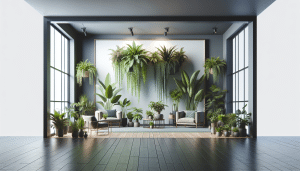
2. Biophilic Design Elements
Integrate nature-inspired features for calming effects.
- How It Works: Use indoor plants, natural wood furniture, or green walls, guided by The Spruce, with a 3-minute breathing break after setup.
- Real-Life Impact: A remote worker adds plants to a home office, reducing stress and boosting focus.
- Benefit: Improves mood by 15% and connects spaces to nature.
- Tip: Place one indoor plant, like a peace lily, in a room this week.
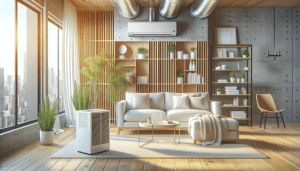
3. Smart Climate Control
Maintain optimal temperatures for year-round comfort.
- How It Works: Install smart thermostats like Google Nest or Ecobee, programmed via app for personalized settings, with a 2-minute mindfulness break after configuration.
- Real-Life Impact: A couple sets a cozy evening temperature, enhancing relaxation after work.
- Benefit: Saves 15% on energy while ensuring consistent comfort.
- Tip: Program one smart thermostat for daily comfort this week.
4. Ergonomic Furniture for Relaxation
Choose furniture designed for physical ease and style.
- How It Works: Select ergonomic chairs or recliners from Herman Miller or IKEA, styled for aesthetics, with a 3-minute relaxation break after placement.
- Real-Life Impact: A freelancer invests in an ergonomic chair, reducing back pain during long work hours.
- Benefit: Supports posture and enhances long-term comfort.
- Tip: Add one ergonomic piece, like a supportive chair, this month.
5. Mood-Enhancing Lighting
Use adjustable lighting to create soothing atmospheres.
- How It Works: Install Philips Hue or LIFX smart bulbs for warm, dimmable lighting, controlled via app, with a 2-minute stretch break after setup.
- Real-Life Impact: A family sets soft evening lights, creating a calming dinner ambiance.
- Benefit: Reduces eye strain and boosts relaxation by 20%.
- Tip: Set up one smart bulb with a cozy scene this week.
6. Acoustic Comfort Solutions
Minimize noise for a peaceful environment.
- How It Works: Add sound-absorbing panels, rugs, or curtains from Wayfair, with a 3-minute breathing break after installation.
- Real-Life Impact: An urban dweller uses acoustic curtains, reducing street noise for better sleep.
- Benefit: Lowers noise stress and enhances tranquility.
- Tip: Install one sound-absorbing item, like a rug, this month.
Practical Strategies for Comfort-Focused Design
Here’s how to implement these solutions effectively:
1. Start with One Comfort Solution
Test a single design element to enhance coziness.
- How to Do It: Begin with textured layers or a smart bulb, using free resources like YouTube or Dwell tutorials.
- Why It Helps: Delivers immediate comfort with minimal effort.
- Tip: Add one cozy item, like a cushion, today.
2. Leverage Technology for Design Planning
Use apps to visualize and optimize comfort-focused layouts.
- How It Works: Plan with RoomSketcher or Planner 5D for cozy arrangements, aligning with 2025’s digital design trends.
- Why It Helps: Ensures cohesive, comforting aesthetics.
- Tip: Create one room layout in Planner 5D this week.
3. Incorporate Energy-Sustaining Breaks
Schedule short breaks to maintain design focus.
- How It Works: Take 2–3 minute breathing or stretching breaks, tracked with Breathwrk, during decor tasks, as noted in prior wellness discussions.
- Why It Helps: Prevents fatigue and enhances creative decisions.
- Tip: Add one break after a design task today.
4. Prioritize Sustainable Materials
Choose eco-friendly decor for comfort and responsibility.
- How It Works: Source organic textiles from Ruggable or reclaimed wood furniture from Freecycle.
- Why It Helps: Reduces environmental impact while creating cozy spaces.
- Tip: Find one sustainable decor item, like an eco-rug, this week.
5. Join Design Communities
Connect with others for comfort-focused inspiration.
- How It Works: Engage in X interior design groups or Meetup events to share cozy decor ideas.
- Why It Helps: Provides motivation and practical tips.
- Tip: Join one X design thread this month.
Sample Routine for Comfort-Focused Design
Here’s a routine to create a cozy home:
- Daily:
- Morning (5 minutes): Plan a decor tweak or research items.
- Evening (5 minutes): Log progress or take a mindfulness break.
- Weekly:
- Sunday (10 minutes): Add a plant or adjust lighting.
- Monthly:
- First Sunday (15 minutes): Install an ergonomic chair or acoustic panel.
- Quarterly:
- First week (20 minutes): Plan a new comfort-focused design project.
Overcoming Common Comfort Design Challenges
- Challenge: Limited space.
Solution: Use compact plants or multifunctional furniture. - Challenge: Budget constraints.
Solution: Opt for secondhand or DIY decor via Freecycle. - Challenge: Aesthetic balance.
Solution: Use apps like RoomSketcher for cohesive layouts.
Tools to Support Comfort-Focused Design
- Planning: RoomSketcher, Planner 5D for layouts.
- Furniture: IKEA, Herman Miller for ergonomic pieces.
- Lighting: Philips Hue, LIFX for ambiance.
- Sustainability: Ruggable, Freecycle for eco-options.
- Wellness: Breathwrk for energy-sustaining breaks.
The Bigger Picture: Comfort-Focused Design in 2025
In 2025, interior design solutions for comfort leverage textured layers, biophilic elements, and smart technology to create nurturing, sustainable homes. These approaches align with wellness and eco-conscious trends, enhancing daily living. By using apps and communities, homeowners craft vibrant, cozy spaces.
Conclusion: Maximize Comfort with Interior Design in 2025
Interior design solutions in 2025, like cozy textiles, smart climate control, and mood lighting, maximize comfort with stylish, sustainable strategies. Start with one solution, use tech for planning, and take breaks to stay energized. Begin today by adding a plush throw or joining an X design group, and create a vibrant, comforting home.
References:
Sustainable Comfort Decor 2025
https://www.thespruce.com/sustainable-comfort-2025/
Comfort Design Trends 2025
https://www.architecturaldigest.com/comfort-design-2025/
Smart Home Comfort 2025
https://www.dwell.com/smart-home-comfort-2025/

 Fitness Challenges That Are Easy to Follow